Labour Leadership Clash: Starmer Blocks Burnham's Parliamentary Ambitions
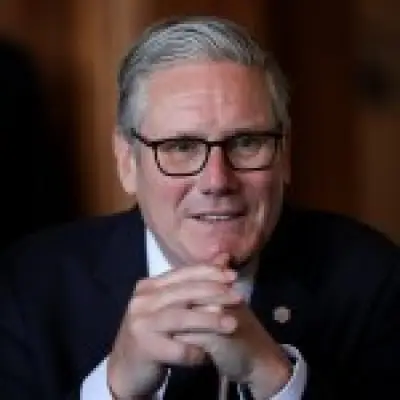
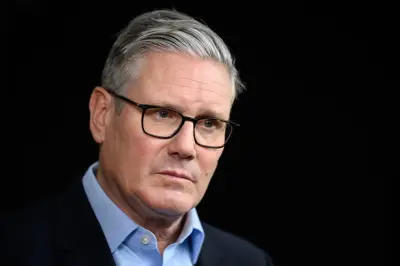
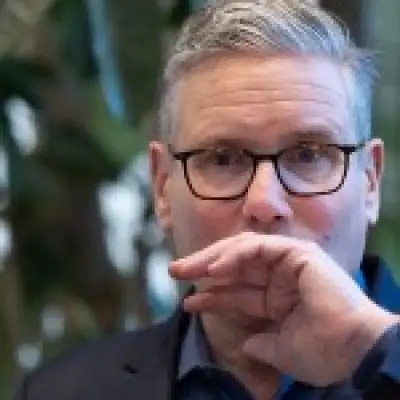
In a dramatic political development, Sir Keir Starmer, the Labour leader, has intervened to block Andy Burnham from standing as a candidate in the upcoming Gorton and Denton by-election. This move has ignited significant controversy within the party, revealing deep-seated tensions and strategic disagreements at the highest levels of Labour's hierarchy.
The Social Media Fallout and Harman's Critique
Following the decision, Andy Burnham took to social media to express his discontent, a reaction that veteran Labour MP Harriet Harman described as appearing "entitled." Harman's comments underscore the friction between Burnham's public persona and the party's internal discipline, highlighting how personal ambitions can clash with collective political strategy.
This incident raises critical questions about the dynamics within Labour as it navigates a challenging political landscape. The blocking of Burnham, a prominent figure and former cabinet minister, signals Starmer's firm stance on candidate selection and his desire to maintain control over the party's direction ahead of crucial electoral battles.

Behind the Scenes: Motivations and Implications
What prompted Andy Burnham to seek a return to Parliament at this juncture? Sources suggest that Burnham, currently serving as Mayor of Greater Manchester, may have been eyeing a renewed national role to influence Labour's policies and electoral prospects. However, Starmer's leadership team viewed this move as potentially disruptive, preferring to field a candidate aligned more closely with the current leadership's vision.
The implications of this decision are far-reaching. Firstly, it tests Sir Keir Starmer's authority within the Labour Party, as blocking a high-profile figure like Burnham could alienate certain factions or supporters. Secondly, with the Gorton and Denton by-election looming, this internal discord might impact Labour's campaign efforts, potentially benefiting opponents such as Reform UK.
Broader Political Chaos and Conservative Defections
Amidst this Labour turmoil, the political scene has been further rocked by another major defection from the Conservative Party. Former home secretary Suella Braverman has joined Reform UK, adding to the instability within the Tories. This move raises pressing questions about the Conservative Party's cohesion and future direction, as key figures like Ruth Davidson and Andy Street are speculated to offer potential solutions or leadership alternatives.
The convergence of these events—Starmer's block on Burnham and Braverman's defection—creates a volatile political environment in the UK. It underscores the intense battles both major parties face as they grapple with internal divisions and external challenges from emerging political forces.
Looking Ahead: Electoral Dysfunction and Public Engagement
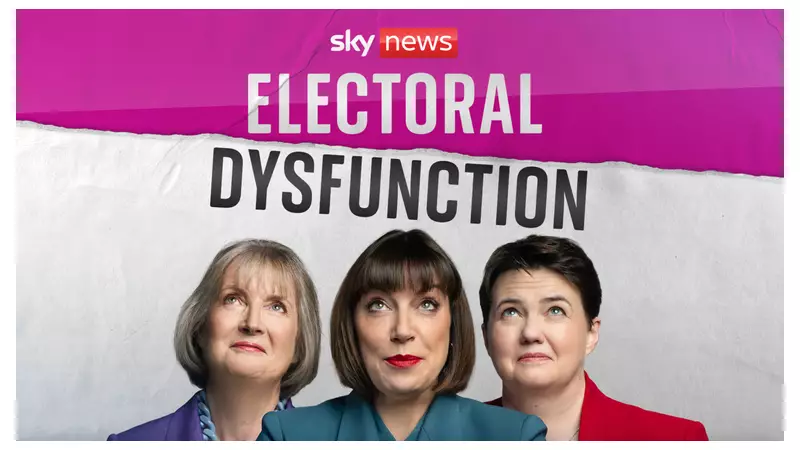
For those seeking to understand these rapid developments, the Electoral Dysfunction podcast provides in-depth analysis and commentary. Listeners can engage with the discussion by contacting the podcast via WhatsApp or email, offering a platform for public interaction on these critical issues.
As the political drama unfolds, the key takeaway is the heightened state of flux within British politics. Sir Keir Starmer's decisive action against Andy Burnham not only reshapes Labour's candidate landscape but also sets the stage for a contentious by-election and broader party realignments. The coming weeks will be crucial in determining how these internal conflicts resolve and what they mean for the UK's political future.