Labour's Internal Crisis Deepens as Starmer Blocks Burnham
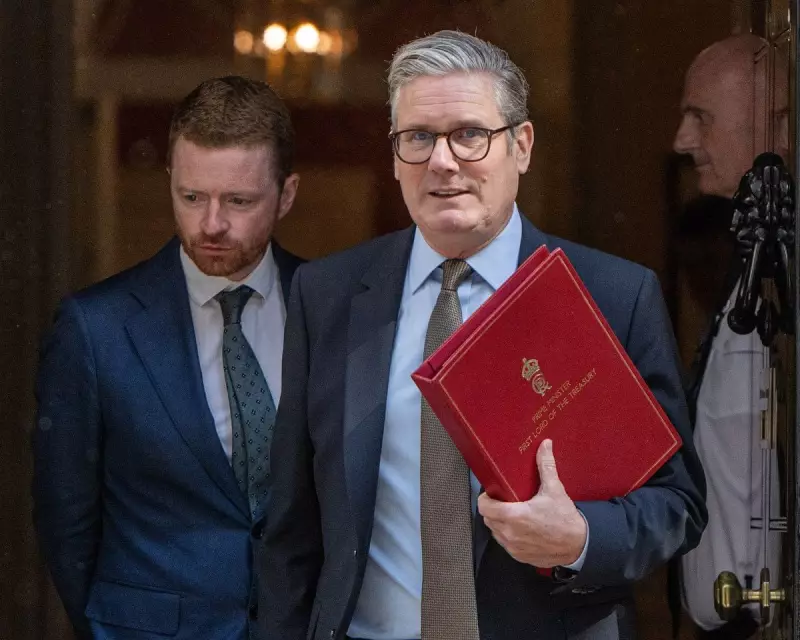
In a move that has sent shockwaves through British politics, Prime Minister Keir Starmer's faction has decisively blocked Andy Burnham from standing in the upcoming Gorton and Denton by-election. This decision, taken alongside his chief of staff Morgan McSweeney, reveals a Labour party more concerned with internal control than electoral survival. The action, captured as Starmer left No 10 on 23 May 2025, symbolises a leadership prioritising factional interests over the broader health of the party.
The Rationale Behind the Blockade
On the surface, Starmer's move appears strategically sound. Andy Burnham, the popular Mayor of Greater Manchester, clearly sought a return to Westminster with ambitions to challenge the prime minister's leadership, especially after anticipated poor results in the May elections. Burnham publicly pledged to support the government, but his potential as a leadership rival made him a significant threat. If Labour faces setbacks in Wales and elsewhere, Burnham could argue that Starmer's continued premiership is undermining governmental work.
However, this factional logic ignores the dire state of the Labour party. The justification cited for blocking Burnham is the fear of losing Greater Manchester's mayoralty to Reform UK. This claim is staggering given Burnham's resounding victory in May 2024, where he secured over 63% of the vote, while Reform trailed in fourth place with just 7.5%. If Labour genuinely fears defeat in such a heartland, its viability as a national force is already in serious doubt.

The Machiavellian Mindset of Starmer's Inner Circle
Starmer's faction, led by McSweeney, operates with a West Wing fantasy of political machinations devoid of idealism. Reports suggest they view Starmer as a frontman—a useful figurehead while they pull the strings from behind, akin to a driverless train on London's Docklands Light Railway. Their worldview, shaped in student politics, involves labelling anyone left of Peter Mandelson as extremists, craving power for its own sake rather than progressive change.
This cabal excels at factional control, ruthlessly manipulating parliamentary selections to favour ultra-loyalists. A precursor to the current debacle was the blocking of Faiza Shaheen in Chingford and Woodford Green, which split the vote and handed victory to Iain Duncan Smith. For Starmer's drones, this outcome was preferable to allowing a talented leftwinger to succeed.
The Consequences of Factional Priorities
Despite reshaping the Parliamentary Labour Party in their image, MPs complain of being treated as too stupid by a hostile No 10. This suggests a belated realisation that blind loyalty has been prioritised over competence. Starmer's adoption of the Labour right's agenda failed to secure a strong mandate, with the party winning only about a third of the vote on a record low turnout, despite Tory implosions.
The administration is marked by U-turns, and Starmer's net favourability rating sits at a dismal -57, undermining claims that harsh policies on migrants and welfare are electoral winners. With Starmer's position weakened, blocking Burnham paves the way for ultra-Blairite Wes Streeting, who offers a similarly toxic prospectus but aligns with the faction's rightwing preferences.
Labour's Existential Threat and Progressive Alternatives
Labour's briefing that it fears the Greens more than Reform in Gorton and Denton is telling. The party dreads a Caerphilly-isation, where it comes third behind progressive and rightwing parties, as seen in a recent Senedd by-election. Gorton and Denton, with its strong Labour history, could fall to the Greens, shattering the narrative that Labour is the only bulwark against Nigel Farage.
The Greens report collapsing Labour support on doorsteps, creating a direct contest with Reform. Suella Braverman's defection to Reform allows the Greens to frame the alternative as Farage leading Sunak's old cabinet, appealing to disillusioned Labour voters. This dynamic leaves Labour with a critical question: why should voters support a party controlled by soulless operatives who prefer burning it down to losing control?

In conclusion, the Burnham blockade exposes a Labour party at war with itself, prioritising factional survival over progressive renewal. As internal strife escalates, the party's future hangs in the balance, with leaders seemingly willing to let it burn rather than cede control.