
Labour Leadership Crisis Deepens as Starmer Issues Apology
In a significant development within the Labour Party, leader Keir Starmer has formally apologised to health secretary Wes Streeting following damaging briefings from Starmer's own allies. The incident has exposed serious tensions at the highest levels of the party, just months after their historic election victory.
The controversy began when the Guardian and other media outlets reported on Tuesday about anti-Streeting briefings originating from Starmer's inner circle. This prompted a conversation between the two senior figures last night, which sources describe as taking a very different tone from Streeting's earlier public comments.
Briefing Backfire and Leadership Tensions
Just yesterday morning, Streeting had attempted to downplay the situation, telling journalists that if Starmer were to call him about the briefing reports, he would respond: "Why are you bothering with this." However, this attempt to minimise the damage appears to have been counter-productive for Starmer while paradoxically strengthening Streeting's position.
According to journalists briefed on the matter, Starmer personally apologised to Streeting during their conversation last night. The discussion was described as short and notably did not address the future of Morgan McSweeney, Starmer's chief of staff, whom some are now calling for the leader to sack.
The situation has highlighted what observers describe as growing "paranoia" within Number 10, with ongoing conversations about potentially replacing Starmer as leader before the next election. This atmosphere has been fueled by recent leadership manoeuvrings from Manchester mayor Andy Burnham and others.
Senior Figures Urge Calm Amid Growing Crisis
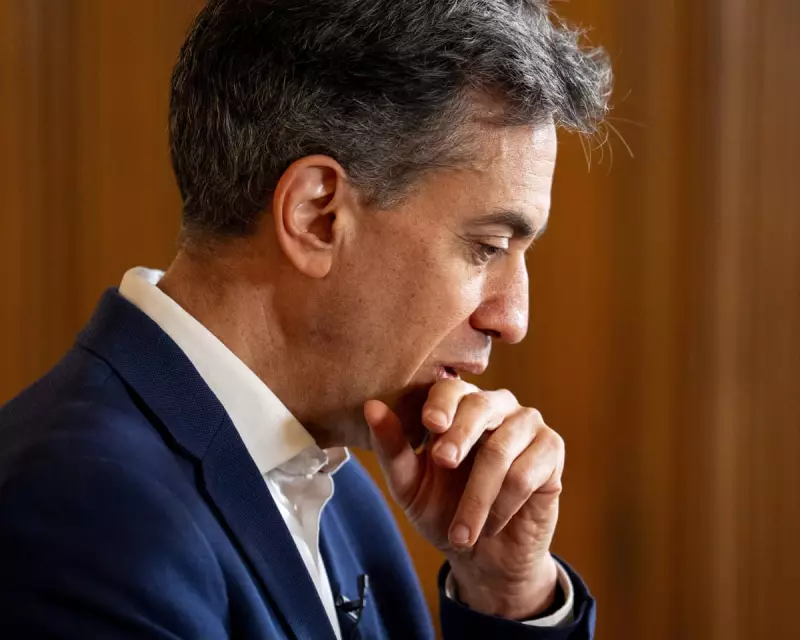
Energy secretary Ed Miliband has publicly called for the party to refocus, telling Sky News: "Look, I think the briefing has been bad, no question. But my message to the Labour party today is quite simple - we need to focus on the country, not ourselves."
Miliband, drawing on his experience during the Blair-Brown years, emphasised that governments often face days of turbulence but urged colleagues to remember their "sense of mission, your values, what you believe in, who you stand up for."
The briefing war has particularly spotlighted the relationships between three of Labour's most senior figures and raised questions about Streeting's own leadership ambitions, which are considered among the most blatant in the cabinet.
Despite the public show of unity, with the pair agreeing to speak again soon, insiders note that such commitments are standard political protocol, particularly as both men regularly attend cabinet meetings together.




