The Southern Poverty Law Center, a prominent civil rights organization, has been indicted on federal fraud charges related to payments made to confidential informants who infiltrated extremist groups, including the Ku Klux Klan. The justice department announced the indictment, which includes 11 counts such as wire fraud, bank fraud, and conspiracy to commit money laundering.
Details of the Indictment and Allegations
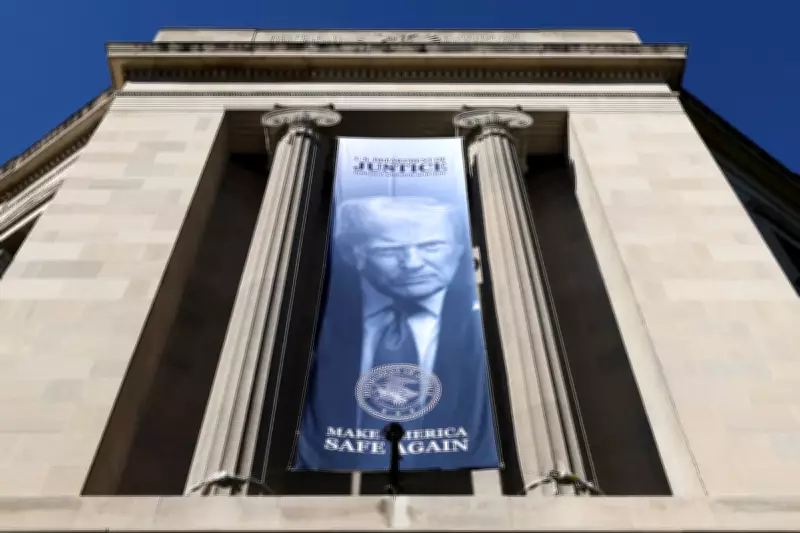
Acting Attorney General Todd Blanche revealed that an Alabama grand jury returned the indictment against the 55-year-old group, based in Alabama. Blanche alleged that the SPLC was "doing the exact opposite of what it's told its donors it was doing – not dismantling extremism, but funding it." FBI Director Kash Patel joined Blanche, calling the paid informant program "a serious and egregious violation" that fueled hatred instead of combating it.
Prosecutors claim the SPLC covertly funneled more than $3 million to confidential sources within extremist groups between 2014 and 2023. The indictment outlines fictitious entities like "Center Investigative Agency," "Fox Photography," and "Tech Writers Group," allegedly created to conceal fund transfers. Officials are accused of misleading donors by stating donations would "dismantle" violent groups, while allegedly paying leaders within those groups, and lying to banks about entity ownership.

Legal Challenges and Defense
Andrew Tessman, a former federal prosecutor, noted the difficulty of proving intent to defraud for a corporate entity, stating, "To establish that an entire corporate entity had intent to defraud seems exceptionally difficult." He suggested prosecutors might have more success with charges related to false statements to banks, an underused but powerful statute.
In response, SPLC Chief Executive Bryan Fair called the allegations "false" and asserted that the justice department's actions "will not shake our resolve to fight for justice." Fair argued the informant program "saved lives" and was necessary due to past threats, including a 1983 office fire-bombing. He revealed the justice department had launched a criminal inquiry into the organization's prior use of paid informants, which the SPLC no longer employs.
Political Context and Reactions
The investigation occurs amid the Trump administration's pledge to crack down on non-profit groups opposing its priorities. Conservative groups have long criticized the SPLC for labeling right-leaning organizations as "hate groups." Last year, the FBI ended its relationship with the SPLC, citing defamation concerns.
Blanche stated that the SPLC "never told anybody in law enforcement that they were paying off the Ku Klux Klan," while Fair countered that the organization "frequently shared what we learned from informants with local and federal law enforcement." Simon Romero, executive director of the American Civil Liberties Union, defended the SPLC, calling the investigation "yet another example of the Trump administration's extreme attempts to silence its critics" and a threat to democratic values.
The case is being handled by the U.S. attorney for the middle district of Alabama, with prosecutors aiming to prove the SPLC's alleged fraudulent activities over nearly a decade.