
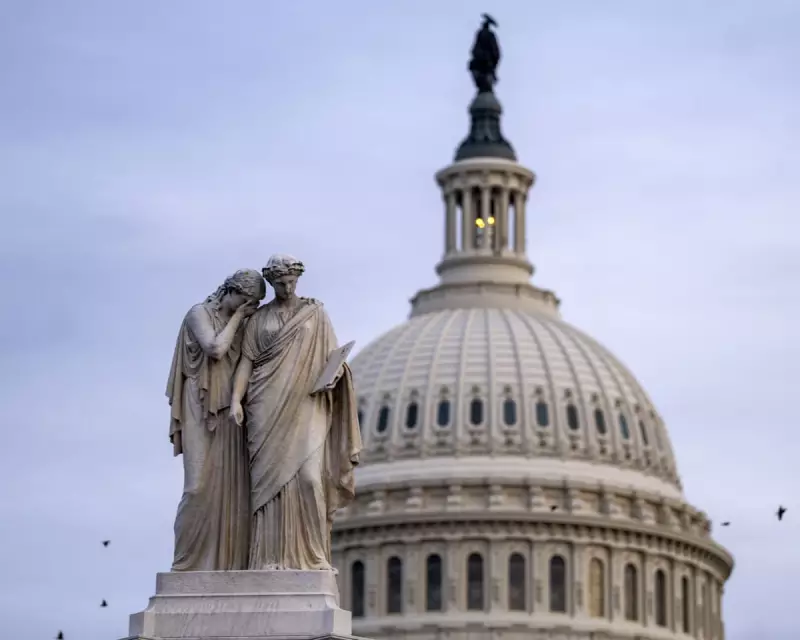
In a dramatic political turnaround, the United States Senate has taken decisive action to conclude the longest government shutdown in the nation's history. On 7th November 2025, lawmakers reached a compromise that would see federal agencies funded through January, bringing relief to thousands of affected workers and services.
Breaking the Political Deadlock
The breakthrough came during a crucial procedural vote that passed with a 60-40 tally, as seven Democrats and one independent broke ranks to join all Republican senators in advancing the compromise deal. This bipartisan coalition proved sufficient to overcome the legislative gridlock that had paralysed Washington for weeks.
The bill now moves to the House of Representatives, where it is expected to be put to a vote on Wednesday. The successful passage through both chambers would formally end a shutdown that has stretched on for an unprecedented duration, though specific details about its exact length weren't provided in the original reporting.
Democratic Divisions and Leadership Challenges
The vote has exposed significant fractures within the Democratic party, with the caucus directing considerable anger toward those who defected from the party line. The internal conflict has placed Senate Minority Leader Chuck Schumer under intense pressure, with some prominent figures openly calling for his resignation.
Congressman Ro Khanna, who represents California's Silicon Valley region, voiced the frustration of many within the party: "Senator Schumer is no longer effective and should be replaced. If you can't lead the fight to stop healthcare premiums from skyrocketing for Americans, what will you fight for?"
Meanwhile, former President Donald Trump expressed his support for the Senate agreement to end the government shutdown, stating he would "abide by the deal" and describing it as "very good" when questioned on Monday.
Broader Political Landscape
The funding battle unfolded against a backdrop of other significant political developments. The Trump administration threatened the BBC with $1 billion in legal action over allegations that a Panorama documentary from 2024 used a misleading edit of a Trump speech. Lawyers for the former president demanded the broadcaster retract the programme by Friday or face litigation.
In judicial matters, the US Supreme Court rejected a call to overturn the decision legalising same-sex marriage, turning away without comment an appeal from Kim Davis, the former Kentucky court clerk who refused to issue marriage licenses to same-sex couples after the high court's 2015 ruling in Obergefell v Hodges.
The court also agreed to hear a case involving whether states can accept late-arriving mail ballots, taking up Watson v Republican National Committee, which challenges a Mississippi law allowing ballots to count if received within five business days of election day.
On international security matters, Defense Secretary Hegseth reported that six people were killed in two new attacks on alleged drug boats, though Washington has yet to make public concrete evidence that its targets were smuggling narcotics or posed a direct threat to the US.
The day's events also included Trump criticising overwhelmed air traffic controllers, responding to poor economic indicators with blame and doubt, and claiming that increased access to food stamps had put "the country in jeopardy" during an exclusive interview on Fox News Monday evening.




