
Defying Party Lines to End Historic Shutdown
In a dramatic late-night session that concluded a 40-day political stalemate, the US Senate finally secured the necessary votes to pass a compromise continuing resolution, effectively reopening the federal government. The breakthrough came after seven Democrats and one independent broke ranks with their party to support the measure, providing the critical 60-vote threshold needed to advance the legislation.
The Defectors and Their Rationale
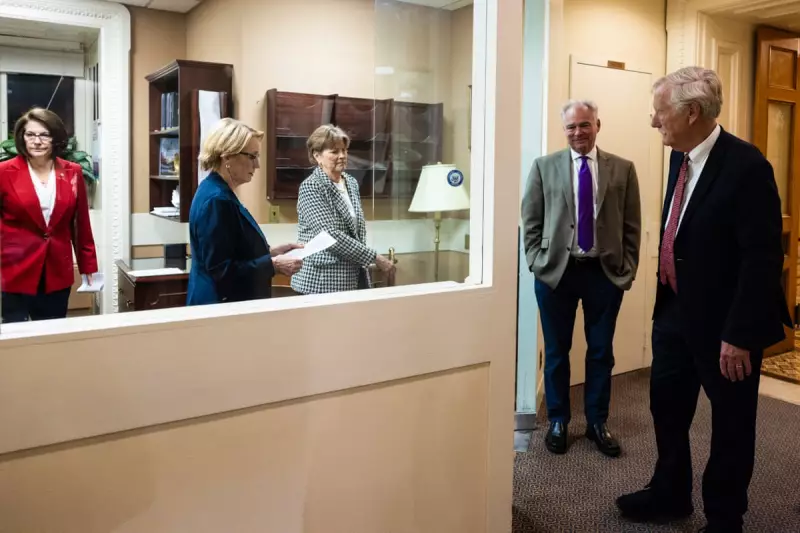
The senators who crossed the aisle were Jeanne Shaheen and Maggie Hassan of New Hampshire, Tim Kaine of Virginia, Dick Durbin of Illinois, Catherine Cortez Masto and Jacky Rosen of Nevada, John Fetterman of Pennsylvania, and independent Angus King of Maine. Their decision has ignited significant anger within the Democratic caucus, though each defended their vote as the only viable path forward.
In the aftermath of the vote, Senator Shaheen stood firm, stating, "This was the only deal on the table. It was our best chance to reopen the government and immediately begin negotiations to extend the ACA tax credits."
Senator Kaine, representing Virginia with its substantial federal workforce, emphasised the bill's protections, saying it would "protect federal workers from baseless firings, reinstate those who have been wrongfully terminated during the shutdown, and ensure federal workers receive back pay."
Legislative Details and Political Fallout
The passed legislation extends government funding through 30 January 2026 and includes several key provisions designed to mitigate the shutdown's impact. It halts mass firings of federal workers by the Trump administration, reverses terminations that occurred during the impasse, and guarantees back pay. It also prohibits further workforce reductions by government departments until the end of January.
Despite the defectors' justifications, the move was met with sharp criticism from Democratic leadership. Senate Majority Leader Chuck Schumer argued that his colleagues had abandoned the party's negotiating position, surrendering critical leverage on extending the enhanced Affordable Care Act tax credits without securing firm commitments from Republicans.
The political ramifications are significant for several of the defecting Democrats. Senators Shaheen and Durbin are both retiring after this term, while Hassan and Rosen face challenging reelection battles in 2026.
The bill now returns to the House for another vote, where Democratic leaders have already signalled fierce opposition. House Minority Leader Hakeem Jeffries dismissed the Senate compromise, indicating House Democrats would not support it. With Republicans holding a narrow majority, the bill's passage remains uncertain, hinging on near-total party unity.
This shutdown, the longest in American history, was centred on a dispute over extending enhanced Affordable Care Act premium tax credits. Polling from the non-partisan KFF research group showed the American public nearly evenly divided on the standoff.




