
Scotland's chief prosecutor has moved to reassure victims of sexual offences that their statutory protections remain unchanged, following a significant judgment from the UK's Supreme Court.
Court Ruling on Fair Trial Rights
Five judges at the UK's highest court delivered a ruling last week concerning the approach taken by Scottish courts in sexual offence cases. The court determined that current practices, which restrict questions about an accuser's character or sexual history, risk depriving a defendant of their right to a fair trial as required by Article 6 of the European Convention on Human Rights.
The judgment emerged from considering the appeals of two men, David Daly and Andrew Keir, who were convicted for rape and other sexual offences. While the Supreme Court ultimately dismissed both appeals, finding that on the facts, both Mr Daly and Mr Keir received a fair trial, it instructed Scottish courts to modify their current approach to evidence admission in sexual offence trials.
Victim Protections 'Firmly in Place'
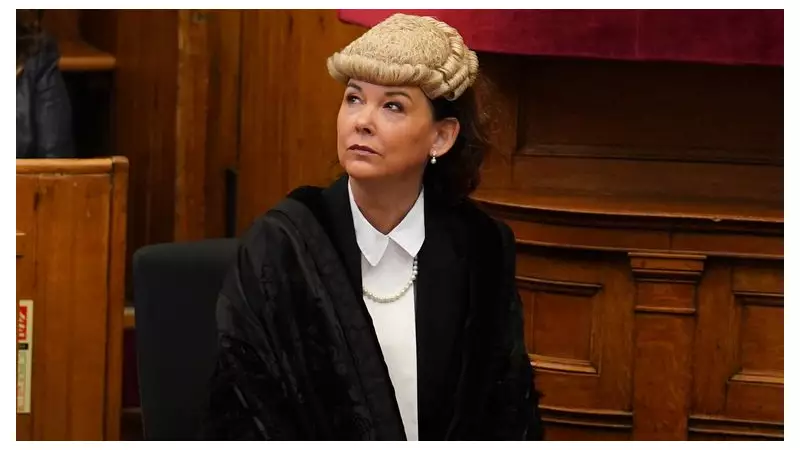
Lord Advocate Dorothy Bain KC, Scotland's top law officer, responded emphatically to the ruling. She stressed that statutory protections for those giving evidence in sexual offence cases have not been altered by the Supreme Court's decision.
"These safeguards remain firmly in place to protect the dignity, privacy, and wellbeing of victims throughout the criminal justice process," Ms Bain stated. She described sexual abuse inflicted on women and children as the single greatest challenge our justice system faces, placing blame squarely with those who perpetrate such brutality.
The Lord Advocate emphasised that victims should feel able to speak out without further fear, adding that prosecutors would uphold these safeguards robustly to ensure women and children can give their best evidence.
Balancing Rights in Justice System
The Supreme Court clarified that any intrusion into a complainer's privacy must be no more than necessary to ensure the accused receives a fair trial. This nuanced approach seeks to balance competing rights within the justice system.
Katrina Parkes, legal director with the Crown Office and Procurator Fiscal Service (COPFS), confirmed they are responding swiftly to developments in case law and will continuously assess the judgment's impact on their work.
Ms Bain concluded that all working within criminal justice share a responsibility to ensure the rights of all involved are protected, maintaining that prosecutors will continue balancing fair case handling with victim protection according to evidence, law, and public interest.




