Scotland Moves to Criminalize Creation of Deepfake Images in Major Legal Reform
The Scottish government is actively considering groundbreaking legislation that would criminalize the creation of deepfake intimate images, marking a significant step in addressing emerging forms of violence against women and girls. This proposal forms part of a comprehensive series of legal reforms designed to tackle gender-based abuse in the digital age.
Closing the Legal Gap in AI-Generated Abuse
While existing Scottish law already covers the sharing and threatening disclosure of deepfake intimate images, the new consultation seeks public views on creating a specific offence targeting the creation of such material. This legislative gap has become increasingly problematic as artificial intelligence technology advances, enabling perpetrators to generate convincing fake intimate images without consent.
The Scottish government's consultation paper explicitly states: "It is behaviour often committed by men in abusive and manipulative ways to seek to control women and girls." The document further emphasizes that "the criminal law needs to adapt to the new ways in which forms of misogynistic abuse target women and girls."

Targeting the Source of Digital Abuse
By focusing on the creation rather than just the distribution of deepfake images, Scottish authorities aim to address the problem at its source. The consultation explains this approach "can help make clear how such behaviour is unacceptable, as well as helping to reduce demand for tools that can be used to create such images."
The proposed legislation would also criminalize digital tools specifically designed to generate intimate images and videos, recognizing that technology should not be used to manipulate images to create false intimate representations without consent.
Broader Legal Reforms Against Gender Violence
This deepfake legislation forms part of a wider package of proposed reforms aimed at strengthening protections for women and girls. Additional measures under consideration include:
- Making pregnancy an aggravating factor in domestic abuse cases, requiring courts to treat crimes against pregnant women more seriously during sentencing
- Creating a standalone offence for spiking crimes, where individuals are given alcohol or drugs without consent, moving beyond current common law drugging provisions
- Exploring whether non-harassment orders could be imposed by the Crown Office and Procurator Fiscal Service as alternatives to prosecution in certain cases
- Improving recording of criminal cases involving non-fatal strangulation, though the government does not currently support creating a standalone offence for this
Government Commitment to Ending Violence Against Women
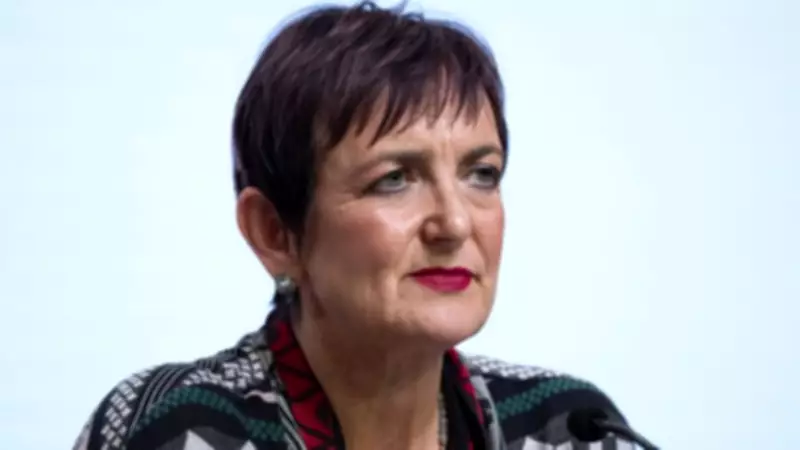
Justice Secretary Angela Constance emphasized the government's determination to address both established and emerging forms of harm. "Violence against women and girls is abhorrent and we must ensure we are doing all we can to tackle it," she stated.
Constance highlighted Scotland's previous progress, including the introduction of domestic abuse offences, improved victim support training, and enhanced powers to enforce protective orders. She expressed particular interest in hearing from those with direct experience of harm, noting that consultation responses "will help to inform future action that is needed to achieve the outcome we all seek: stronger protections and actions which lead to lower levels of violence against women and girls and a safer Scotland."
The public consultation will remain open until 19 June, allowing for comprehensive input from legal experts, advocacy groups, and affected individuals before final legislation is drafted.