
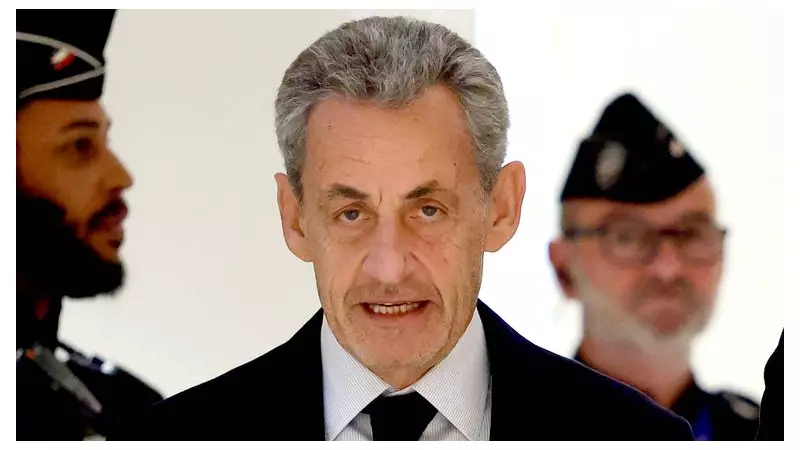
A Paris appeals court has ruled that former French President Nicolas Sarkozy will be released from prison and placed under judicial supervision, marking a significant development in his high-profile legal case.
Court Decision and Conditions
The court determined that the 70-year-old former leader should be freed from La Sante prison in Paris where he had been incarcerated since October. However, his release comes with strict conditions, including a ban on leaving France as he awaits his appeal trial.
Sarkozy had formally requested his release earlier on Monday, just days after reports emerged that he had received death threats while in custody. The former president had been serving a five-year sentence following his conviction for conspiring to raise campaign funds from Libya during his 2007 presidential bid.
Background of the Case
The legal troubles for Sarkozy began with his September conviction for criminal conspiracy related to the alleged illegal financing of his successful 2007 presidential campaign. Prosecutors proved that he had accepted funds from Libya, a serious offence under French law.
This conviction made Sarkozy the first former French leader to be jailed since Marshal Philippe Petain, who collaborated with the Nazis during World War II. The historical significance of this case has drawn international attention to France's judicial system.
Throughout the proceedings, Sarkozy has maintained his innocence, consistently denying any wrongdoing and characterising the case as politically motivated. His legal team has been preparing for the upcoming appeal trial, which is expected to take place later.
Security Concerns and Future Implications
The decision to release Sarkozy follows concerning reports about his safety while in prison. Less than a day after beginning his sentence, authorities confirmed he had become the target of death threats, necessitating extraordinary security measures.
Prison officials had assigned two permanent police officers as bodyguards stationed in nearby cells to ensure his protection throughout his incarceration. These security concerns likely influenced the court's decision to grant his release request under judicial supervision.
The case continues to unfold as Sarkozy prepares for his appeal, with legal experts watching closely to see how this precedent-setting matter will ultimately be resolved. The outcome could have lasting implications for how France handles cases involving former heads of state.




