Olly Robbins' Parliamentary Testimony on Mandelson Vetting Sparks Controversy
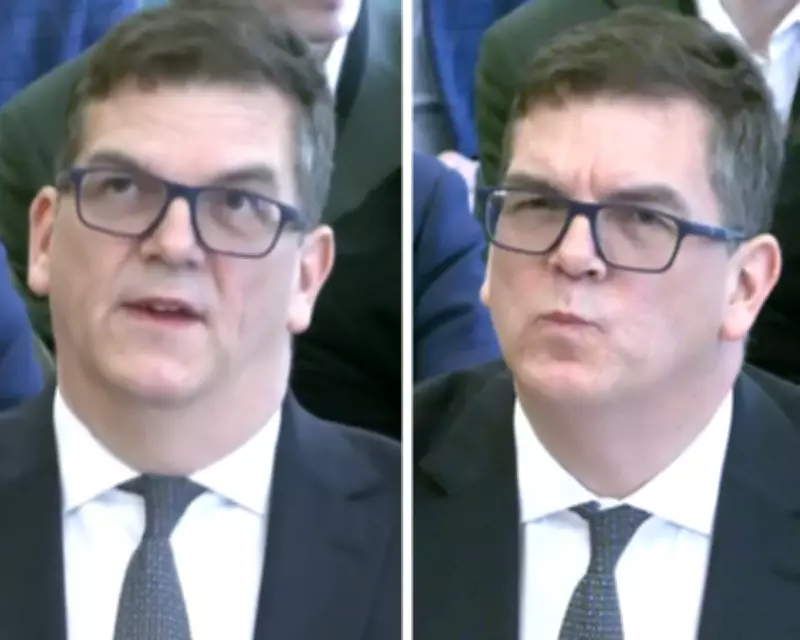
Sir Olly Robbins, the former top civil servant at the Foreign Office, faced intense scrutiny during his evidence to the foreign affairs select committee. He described the vetting file for Peter Mandelson as residing in a 'hermetically sealed box' and stated he relied entirely on an 'oral briefing' from Ian Collard, the Foreign Office's director of security. This revelation has ignited a fierce debate over the transparency and efficacy of the national security vetting system.
The Vetting File and Its Red Flags
At the core of this controversy is Mandelson's vetting file, completed by UK Security Vetting (UKSV) on January 28, 2025. The file employs a traffic-light system: green for clearance approved, amber for clearance approved with risk management, and red for clearance denied. Multiple sources, including Downing Street, the Cabinet Office, and the Guardian, confirm that UKSV recommended denial with two red ticks. Prime Minister Keir Starmer reiterated this at the House of Commons, stating the agency advised against clearance 'with red flags.'
However, Robbins presented a contrasting narrative. He claimed Collard briefed him that UKSV considered Mandelson a 'borderline' case, merely 'leaning towards' denial, and suggested the Foreign Office 'may wish to grant' clearance with mitigations. Robbins admitted he never viewed the actual file, raising questions about how he assessed risks without full context.

Defense of the System and Its Inconsistencies
Robbins staunchly defended the vetting process, arguing that allowing outsiders to see such documents would compromise national security. He emphasized that clearance in the Foreign Office is granted by the department, not UKSV, enabling him to dispute claims that Mandelson 'failed' the assessment. This bureaucratic distinction allowed Robbins to portray the process as a 'dialogue' between security professionals, where risk assessments 'shifted up and down a bit.'
Yet, his defense was undermined by a later admission. Robbins revealed that, seven months after Mandelson's dismissal, he considered viewing the vetting file. Discussions with the Cabinet Office yielded 'different views,' and he was ultimately denied access, a decision he deemed 'consistent with the system.' This episode highlights the opacity and potential flaws in a system meant to safeguard state secrets.
Unanswered Questions and Broader Implications
The select committee has summoned Ian Collard to testify, seeking clarity on whether his account aligns with Robbins'. Key questions remain: Did Collard see the vetting file? How did risk factors evolve during discussions? Why were risks unrelated to Jeffrey Epstein overlooked? Robbins' testimony has cast a shadow over the vetting system, exposing it as riddled with confusion and inconsistencies.
Despite support from peers like Lord Sedwill and Sir Simon McDonald, who praised Robbins' integrity, the affair underscores systemic issues. The reliance on oral briefings over documented evidence, coupled with ambiguous risk management, challenges the credibility of national security protocols. As investigations continue, the focus shifts to whether this system truly protects against threats or merely glosses over them with knightly charm.