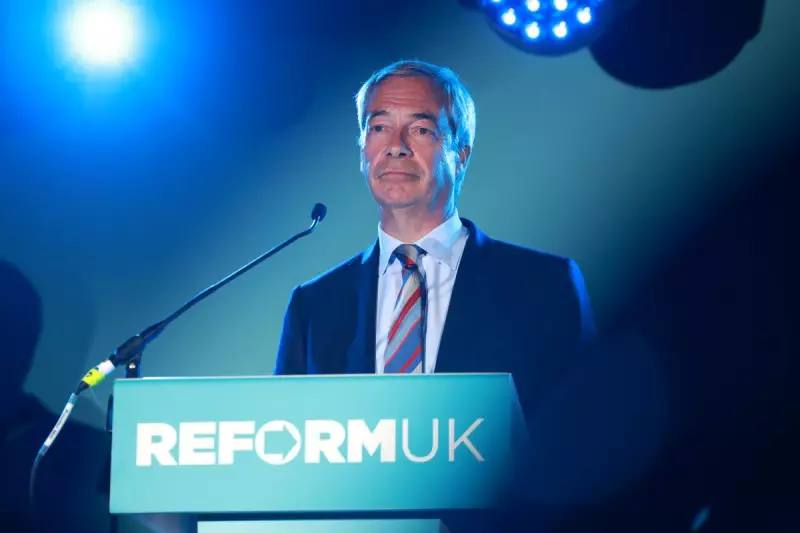
Reform UK, the political party led by Nigel Farage, has initiated a significant legal challenge against the UK government concerning the postponement of local council elections. The case is now set to proceed to a two-day trial at the High Court next month, marking a pivotal moment in the ongoing debate over electoral timelines and democratic processes.
Background of the Legal Dispute
The controversy centres on the government's proposal to permit 63 local councils across England to delay their scheduled elections from May 2026 to 2027. This move is linked to Labour's broader plans to abolish the existing two-tier system of district and county councils. Instead, the intention is to establish new, unified authorities that would be responsible for delivering all local services in a more streamlined manner.
So far, more than a third of local authorities in England—specifically 27 councils—have formally requested to postpone their elections until 2027. This has sparked concerns about the potential impact on democratic engagement and electoral fairness.

Reform UK's Arguments and Legal Proceedings
Reform UK filed a judicial review against the Ministry of Housing, Communities, and Local Government, arguing that allowing such delays could discourage candidates from standing and undermine the integrity of democratic election campaigns. The party contends that this approach effectively denies voters their right to timely representation.
At a hearing held on Tuesday, Reform UK sought interim relief to prevent the government from making any immediate changes to the election dates. However, Mr Justice Chamberlain opted for an expedited legal timetable, scheduling a rolled-up hearing for 19 February. This two-day session will determine whether Reform UK has a valid legal basis to bring the case and, if so, will deliver a final verdict on the matter.
As part of the court order, Reform UK is required to notify all 63 councils affected by the potential delay by today, ensuring that all parties are informed and prepared for the upcoming proceedings.
Statements from Both Sides
In response to the court order, a Reform UK spokesperson issued a strong statement, saying: "We said we would fight Labour every step of the way on this and we are. Labour are disgracefully trying to deny democracy. We are determined to win this case next month." This highlights the party's firm stance against what they perceive as an erosion of democratic principles.
Conversely, a government spokesperson provided a different perspective, stating: "This is an ongoing process and no decisions have been made yet over any delays. There is a clear precedent for postponing local elections where local government reorganisation is in progress, as happened between 2019 and 2021." They further explained, "These are exceptional circumstances where councils have told us they're struggling to prepare for resource-intensive elections to councils that will shortly be abolished, while also reorganising into more efficient authorities that can better serve local residents."
Implications and Next Steps
The outcome of the High Court hearing in February could have far-reaching implications for local governance and electoral practices in the UK. If Reform UK's challenge is successful, it may force the government to reconsider its plans and maintain the original election schedule. Alternatively, a ruling in favour of the government could legitimise the postponement, setting a precedent for future reorganisations.
This case underscores the tension between administrative efficiency and democratic accountability, raising important questions about how local elections should be managed during periods of structural change. As the legal battle unfolds, it will be closely watched by political analysts, local authorities, and the public alike.