Reform UK's Authoritarian Response to University Speaker Snub
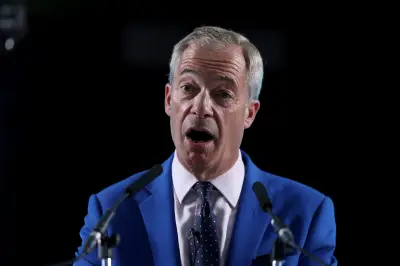
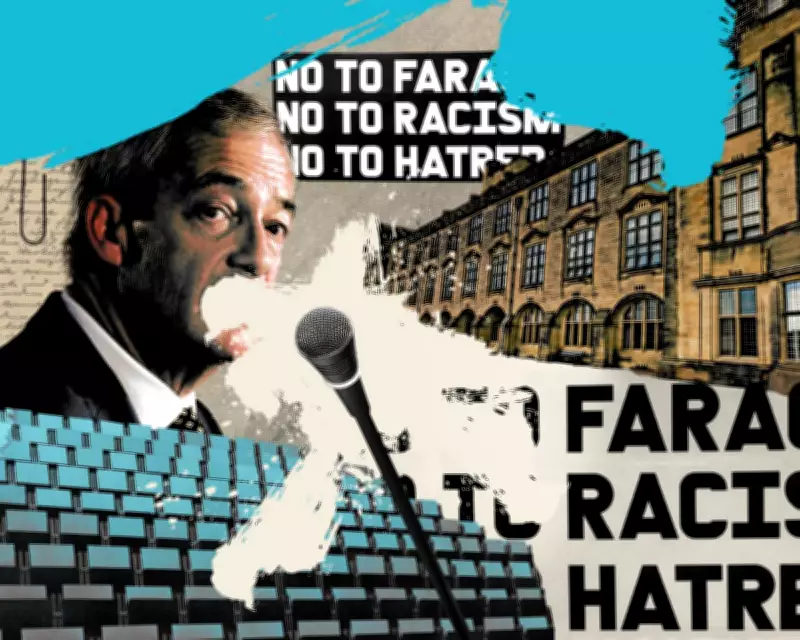
When Bangor University's debating and politics society declined an invitation to host Reform UK figures Sarah Pochin and Jack Anderton, citing "zero tolerance for any form of racism, transphobia or homophobia," the response from the political party was swift and severe. Reform's head of policy, Zia Yusuf, thundered on social media that Bangor receives £30 million from taxpayers and suggested the institution "won't mind losing every penny of (their) state funding under a Reform government."
The Campus Tour That Failed to Ignite
Jack Anderton's "A New Dawn" campus tour, modeled after American right-wing activist Charlie Kirk's confrontational style, had been struggling to gain traction across British universities. At Cambridge, only about 30 people attended his event where he argued migrants were taking part-time jobs students once did. Similar low turnouts were reported in Exeter and York, with the Cambridge livestream attracting a mere 177 views.
The Bangor rejection provided exactly what the tour had been missing: controversy that could generate attention. National media outlets including GB News and the Daily Telegraph quickly picked up the story, amplifying Reform's message far beyond what campus appearances could achieve.
From Political Disagreement to Financial Threat
What began as a simple disagreement over speaker invitations escalated into something more ominous. Reform's threat to potentially defund universities that don't accommodate party speakers represents a dangerous shift from democratic discourse to authoritarian pressure tactics. While a Reform spokesperson later insisted Yusuf's comments were "not party policy," his position as head of policy and the party's previous advocacy for removing funding from universities deemed insufficiently protective of free speech raises serious concerns.
The financial vulnerability of England's higher education system makes such threats particularly potent. Many institutions already face financial strain from government restrictions on international students, who pay substantially higher fees than domestic students. A Reform government pursuing near-zero immigration could easily push some universities over the financial brink by cutting student visas.
The American Precedent and UK Implications
The situation echoes developments in the United States, where pro-free speech Republicans have shown remarkable intolerance for speech against them. When former President Donald Trump froze millions in research funding to universities that resisted his demands on admissions, hiring, and campus protest policies, only the wealthiest institutions could afford legal challenges.
In the UK, while laws currently protect university autonomy in research and teaching, these protections could be repealed. The financial intimidation of universities raises broader questions about what other institutions might face similar pressure—from the BBC and its license fee to charities, cultural organizations, and even schools receiving public funding.
Academic Freedom in the Balance
Universities represent a natural target for populist movements because they often serve as centers of resistance and liberal thought. Students frequently lead social movements, and graduates tend to hold more socially liberal views than those who left education earlier. This makes higher education institutions particularly vulnerable to political pressure campaigns.
Recent research from the Higher Education Policy Institute reveals a complex picture of student attitudes toward free speech. While 69% of students believe universities should never limit free speech—up from 60% in 2016—significant numbers still favor banning speakers from certain political parties, including Reform and even Labour.
The Right to Speak Versus the Right to an Audience
The Bangor incident highlights a crucial distinction often overlooked in free speech debates: the right to express views does not guarantee the right to a captive audience. Anderton's tour has successfully visited five universities where right-wing student societies extended invitations, but in Bangor, he sought an invitation that never came.
This distinction matters profoundly in a democratic society. True freedom requires that politicians earn their hearing through persuasion and engagement rather than compelling attention through financial threats or political pressure. The ability to decline an invitation—whether to a party, a speaker, or a particular viewpoint—remains fundamental to both academic freedom and democratic discourse.
As Reform continues its campus outreach efforts and political ascendancy, the Bangor controversy serves as a warning about how the party might wield power. The transition from seeking platforms to demanding them—backed by threats to institutional survival—represents a concerning development for British democracy and academic independence alike.