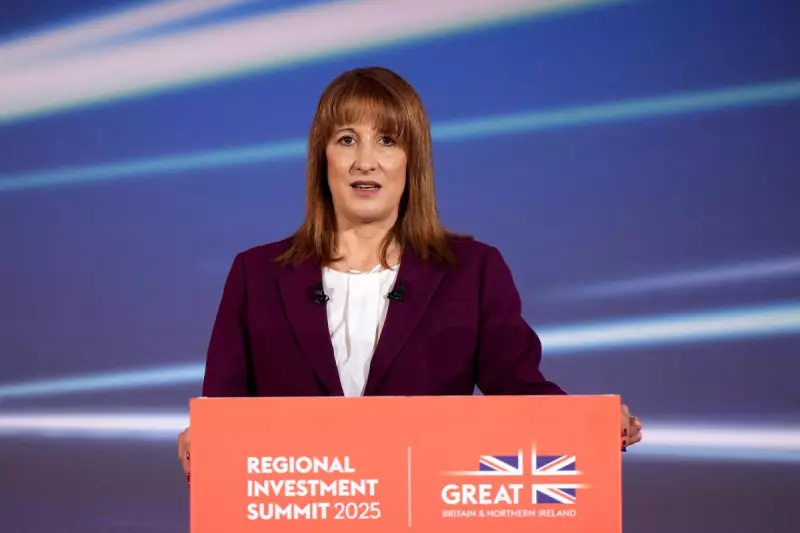
Chancellor Rachel Reeves is facing calls to reconsider her position on income tax, despite a recent economic forecast improving the UK's fiscal outlook. This comes after a new poll suggests the public already believes she has broken her tax promises and would prefer tangible improvements to public services.
Public Perception and Broken Promises
According to a recent survey by Public First, 51 per cent of the public believes the Labour government has broken its key tax promise. Only 21 per cent think the pledge has been kept. This sentiment persists even though, by narrower margins, the public believes Labour has kept other promises, such as on breakfast clubs and VAT for private schools.
The data indicates that voters are more focused on the state of public services than on strict adherence to a manifesto drawn up in opposition. The poll found that the electorate is more concerned with securing GP appointments, safe streets, and repaired schools than with whether a specific tax pledge should be treated as a binding contract.
The Case for Tax Rises
Adam Drummond, Head of Quantitative Research at Public First, argues that the Chancellor has two main reasons to raise income tax. Firstly, he states that nobody elected Rachel Reeves to be George Osborne. The implicit promise of a Labour campaign is to improve public services and protect the vulnerable, a promise that feels compromised when the government makes cuts to areas like Winter Fuel Payments or welfare.
Secondly, the electoral damage may already be done. The poll tested various budget scenarios and found that while other tax changes would harm Labour's vote share, raising the rate of income tax did hardly anything to their support. It was the only measure where as many voters said it was the 'right decision' as the 'wrong decision'.
Drummond suggests that the current path guarantees failure, with polls already showing Reform winning with a decent majority. He concludes that governing with the fiscal space to repair the country is the only way to demonstrate the change Labour promised. Raising income tax—transparently and with a clear plan—is presented as the only route to delivering progress that people can feel in their daily lives.