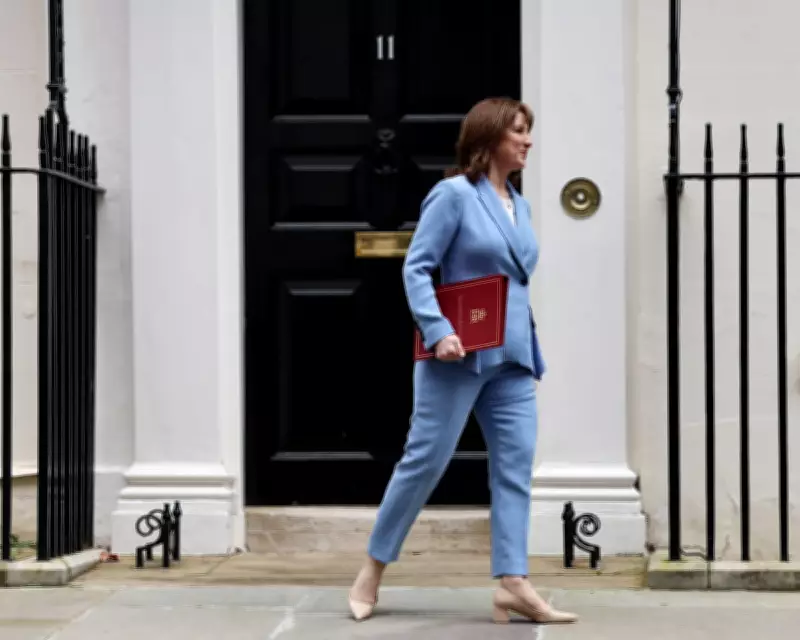
Rachel Reeves' Spring Forecast: Global Crises Threaten UK Household Finances
Chancellor Rachel Reeves used her spring statement to assert that her economic policies are yielding positive results, promising a brighter outlook for household finances following the severe cost of living crisis. She boldly claimed that by the next general election, individuals would be over £1,000 a year better off. However, financial experts caution that this optimistic projection might be undermined by escalating global events, particularly the war in the Middle East, which could exacerbate inflationary pressures and disrupt economic stability.
'Over £1,000 a Year Better Off by the Next Election'
This headline figure stems from a comparison of average disposable income during the final year of the Conservative government, which stood at £25,600, with the projected figure for the end of the current parliament, estimated at £26,685—a difference of £1,085. Known officially as real household disposable income, this metric represents the money remaining after taxes, adjusted for inflation. The Office for Budget Responsibility (OBR) forecasts that this income will grow by a modest 0.6% to 0.9% annually from 2026 to 2030, a rate slower than historical trends.
One significant factor contributing to this sluggish growth is the government's decision to freeze income tax thresholds until the 2030-31 tax year, leading to fiscal drag. This phenomenon occurs when pay increases push individuals into higher tax brackets, reducing their net gains. Additionally, the OBR had predicted inflation would stabilize around the 2% target over the next five years, but the recent Iran crisis has triggered a surge in energy prices, threatening to reignite cost of living concerns.

What About My Mortgage?
Reeves highlighted that recent interest rate cuts could save homeowners approximately £1,300 annually on a two-year fixed mortgage, based on a £215,000 loan over 29 years. While the independent Bank of England sets rates, not the government, expectations had been high for further reductions. Since the July 2024 general election, the base rate has been cut six times to 3.75%, but the Middle East conflict has introduced uncertainty, slashing the probability of a March cut from 80% to about 30%.
Current average mortgage rates stand at 4.83% for two-year fixes and 4.95% for five-year deals, down from over 5% a year ago. The OBR anticipates the average mortgage interest rate will rise from 4.1% this year to 4.5% between 2027 and 2030, though these projections predate the recent turmoil. House prices are expected to increase by 2.4% to 2.9% annually through 2030.
And Energy Bills?
The government has committed to reducing the average household energy bill by £150 this year, with Ofgem's price cap set to drop 7% from April to £1,641 annually due to the removal of green levies. However, the Iran crisis has caused oil and gas prices to spike, potentially disrupting these plans. Analysts warn that sustained increases in wholesale gas prices could push the price cap to nearly £2,500 by July, with prolonged volatility possibly leading to higher costs next winter.
Craig Lowrey of Cornwall Insight noted that the UK's reliance on global gas markets means international price fluctuations directly affect domestic bills. While the April to June price is fixed, future adjustments will depend on how long elevated prices persist.
What About Other Household Costs?
Beyond energy, households face additional financial pressures next month, including rises in water charges by an average of £33 annually (5.4%) and council tax increases. The conflict also threatens to drive up petrol prices; the RAC reports that forecourt costs are already climbing, with petrol potentially reaching 140p per litre if oil prices hit $90 a barrel.

Is My Job Secure?
The OBR has downgraded its economic growth forecast for this year from 1.4% to 1.1%, predicting the unemployment rate will peak at 5.3%—up from a previous estimate of 4.9%. This rise is attributed to new labor force entrants struggling to find work amid weak hiring demand. Dan Coatsworth of AJ Bell described the UK economy as stuck in the mud, warning that sustained oil price spikes could fuel inflation and delay further interest rate cuts, posing significant risks to Reeves' economic plans.