Environmental Lawsuit Challenges BP's New Ultra-Deep Oil Drilling in Gulf of Mexico
On the 16th anniversary of the Deepwater Horizon disaster, a coalition of five environmental groups has initiated legal action against the Trump administration. The lawsuit targets the approval of BP's massive new ultra-deep oil drilling project, known as Kaskida, in the Gulf of Mexico. Advocates express grave concerns, highlighting the company's past failures and the heightened risks associated with drilling at unprecedented depths.
Details of the Kaskida Project and Environmental Risks
The Kaskida project, valued at $5 billion, is set to be located approximately 250 miles off the coast of Louisiana. Drilling equipment will descend 6,000 feet into the Gulf's waters, with drills extending an additional distance into the seabed, reaching a total depth of about 6 miles—deeper than Mount Everest. BP anticipates extracting around 80,000 barrels of oil daily from six wells once production commences in 2029, tapping into a deposit estimated to contain 10 billion barrels of oil.
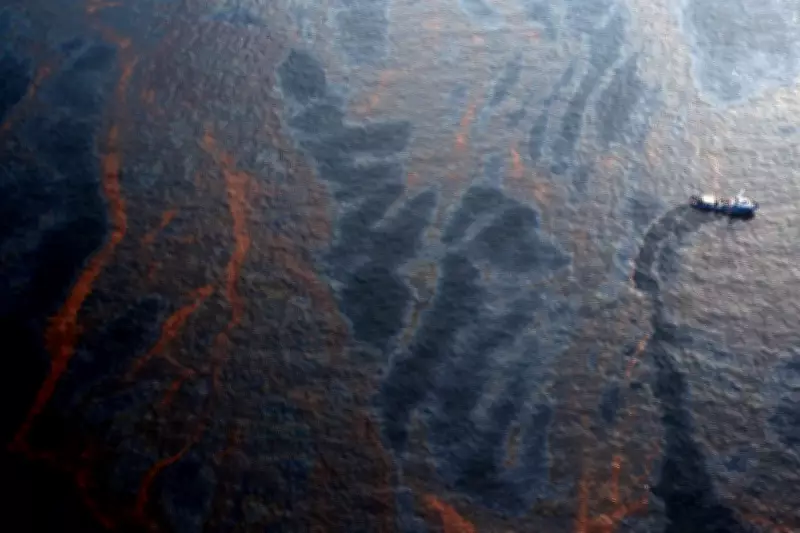
Environmental groups argue that this project poses a catastrophic threat to marine ecosystems and coastal communities. They point to the Deepwater Horizon spill in 2010, which resulted in 11 fatalities and released over 3 million barrels of oil into the ocean over 87 days. The spill caused extensive damage to wildlife, including fish, whales, and sea turtles, as well as to shoreline ecosystems and fishing industries across five states.
Legal Allegations and Industry Response
The lawsuit alleges that BP has not provided legally required information regarding the Kaskida project and has failed to demonstrate the ability to safely drill at such extreme depths. It warns of increased likelihood of "loss of well control" incidents, similar to what occurred with Deepwater Horizon, and claims BP lacks adequate containment capabilities to prevent a potential spill of up to 4.5 million barrels of oil.
In response, BP has defended its safety record, stating that it has overseen 100 safely-drilled deepwater projects since 2010 and implemented enhanced safety measures. A company spokesperson emphasized that lessons from Deepwater Horizon have led to tougher standards and better oversight, calling the lawsuit "unfounded" and part of a broader effort to halt offshore oil development in the U.S.
Broader Context and Government Stance
The Trump administration has actively promoted domestic oil drilling to bolster U.S. energy independence and maintain its position as a leading global producer of oil and gas. Recently, the administration granted the oil and gas industry an exemption from endangered species laws in the Gulf, a move that environmentalists fear could endanger species like the Rice's whale, which lost about 20% of its population after the Deepwater Horizon spill.
Interior Secretary Doug Burgum defended the exemption, stating that energy production in the Gulf is crucial for national strength, economic resilience, and cost stability for American families. However, green groups condemn the approval of Kaskida as "appalling," warning it puts Gulf wildlife at severe risk and sets a dangerous precedent for future drilling projects.
The Bureau of Ocean Energy Management, part of the U.S. Department of the Interior, declined to comment on the ongoing litigation but affirmed that its review processes incorporate high levels of analysis, describing Kaskida as a step forward in unlocking previously unrecoverable oil resources in the Gulf.