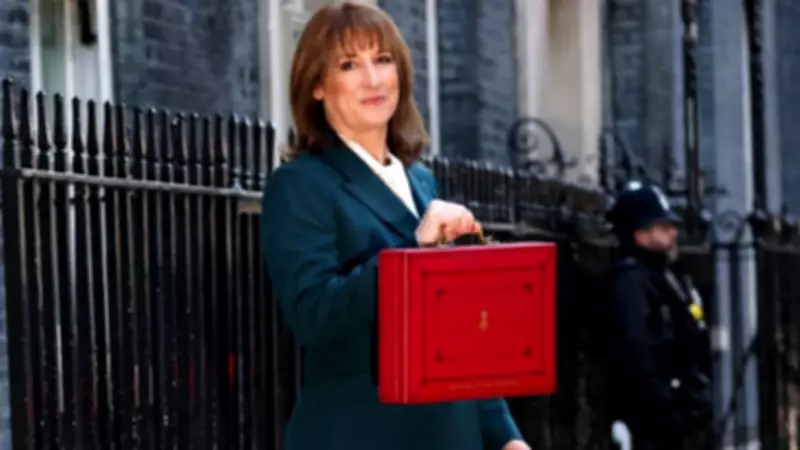
Rachel Reeves to Deliver Subdued Spring Forecast on March 3
Chancellor Rachel Reeves has emphasized that her upcoming spring forecast will be a quiet affair, aiming to reserve the autumn budget as the year's sole major fiscal event. Scheduled for the afternoon of March 3 in the House of Commons, the speech is expected to last only about 20 minutes, a stark contrast to the hour-long budget addresses. This low-key approach follows last November's budget, which was marked by intense speculation and significant tax increases, pushing tax as a share of GDP to a record high.
Rebranding the Spring Event: From Budget to Forecast
The Treasury has rebranded this event from the spring budget to the spring forecast, signaling a shift away from major announcements. Ms. Reeves is not even anticipated to carry her forecast in the traditional red box, underscoring its subdued nature. Despite this, the spring forecast remains a critical moment, as it will outline the latest economic projections from the Office for Budget Responsibility (OBR), revealing the impact of previous fiscal policies.
OBR's Role and Security Changes
The OBR will produce its economic forecasts, which will be published on gov.uk after the chancellor's speech, a change from previous practices following a security review. This marks the first time in the OBR's 16-year history that it will not issue a formal assessment of the government's progress toward its fiscal rules. However, economists will still be able to deduce the chancellor's fiscal headroom, potentially influencing economic expectations.

Fiscal Rules and Political Risks
Ms. Reeves has reiterated her commitment to two key fiscal rules: not borrowing for day-to-day public spending by the end of this parliament and reducing government debt as a share of national income. While she has ruled out major announcements, minor tax policy adjustments could be on the table, though such moves carry political risks, including accusations of stealth taxes and opposition criticism.
Current Economic Landscape in the UK
The UK economy remains fragile despite a sharp decline in inflation, which currently stands at 3%, above the Bank of England's 2% target. Growth concerns persist, with GDP expanding by just 0.1% in the last quarter of 2025, though it grew by 1.3% over the entire year. Unemployment has risen to 5.2%, the highest since 2021, with youth unemployment reaching 16.1%, a peak not seen since 2014.
Wage Growth and Fiscal Surplus
On a positive note, wages continue to grow, with annual weekly earnings excluding bonuses increasing by 4.2% in the last quarter of 2025. Additionally, higher tax receipts from previous hikes contributed to a £30.4 billion government budget surplus in January, the largest since monthly records began in 1993, highlighting the complex interplay of fiscal policies and economic performance.