Deliveroo-Style Prison Drone Gang Jailed for Smuggling Drugs and Weapons
A gang that operated a sophisticated drone smuggling operation, delivering contraband to inmates across London and southeast England, has been sentenced to prison terms. The conspiracy, led by Shafaghatullah Mohseni, was described by a judge as functioning like a prison version of Uber Eats or Deliveroo, with items delivered to order.
Well-Oiled Conspiracy Uncovered
Harrow Crown Court heard that between December 2, 2024, and February 26, 2025, Mohseni orchestrated dozens of drone drops to prisons. The gang was responsible for an estimated 75% of all drone deliveries into London prisons during this period, highlighting the scale of their illicit activities. The operation involved packages containing drugs such as cannabis, Xanax, and Valium, as well as mobile phones and weapons, including flick knives.
Judge James Lofthouse, sentencing the gang on Tuesday, March 3, 2026, criticized the corrosive impact on prison safety. He noted that prison guards struggled to intercept the drones due to staff shortages, often seeing drops occur late at night or in the early hours without enough personnel to respond effectively. Inmates would quickly hide the contraband, making recovery difficult.

Gang Members and Their Roles
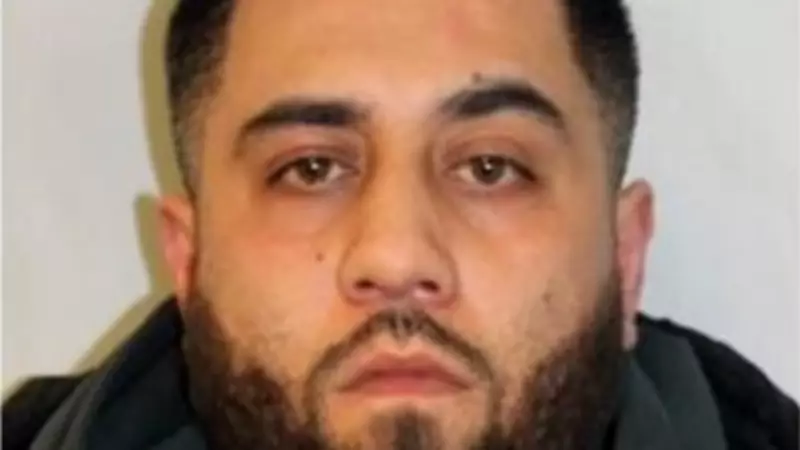
Mohseni, 29, referred to as the grand delivery driver, received a sentence of five years and three months. His accomplices included Hashim Al Hussaini, 28; Mohammed Hamoud, 22; Faiz Salah, 29; Zahar Essaghi, 51; Mustafa Ibrahim, 30; and Emanuel Fisniku, 25. They acted as lookouts and drivers, assisting in the drops and receiving payments for their roles.
Al Hussaini, Hamoud, and Essaghi were each sentenced to 33 months in prison. Salah received 31 months, Ibrahim 30 months, and Fisniku 27 months. The gang targeted at least nine prisons, including Wormwood Scrubs, Brixton, Pentonville, and Wandsworth in London, as well as Norwich and Leicester.
Police Investigation and Arrests
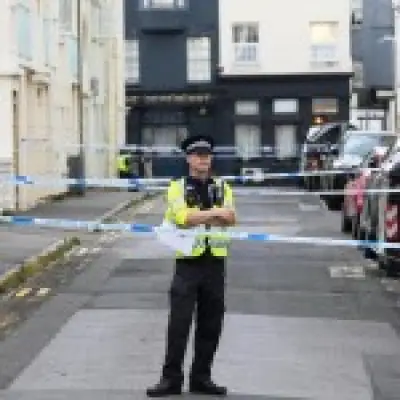
The Metropolitan Police arrested Mohseni, Al Hussaini, Hamoud, and Fisniku on February 26, 2025, while they were traveling by car to HMP Norwich. A tip-off about a planned knife smuggling attempt led to their capture. Police found a JD sports bag in the vehicle containing a drone, packages with phones and cannabis, and a knife.
During the trial, it was revealed that close relatives of prisoners sent large sums of money to Mohseni as payment for the smuggled items. Prosecutors stated that Mohseni received £26,785 from 14 individuals linked to serving prisoners, underscoring the financial motivation behind the operation.
Impact on Prison Security
Smuggling via drones has become an increasing problem for UK prisons in recent years, evolving from haphazard attempts by local criminals to organized gangs specializing in drone drops. Judge Lofthouse emphasized that such operations facilitate further criminality and undermine prison order, as inmates gain access to drugs, weapons, and communication devices.
The prosecution accepted that some conspirators may not have been aware of specific items, such as knives, in the shipments, but stressed that they were still responsible for conveying them. This case highlights ongoing challenges in prison security and the need for enhanced measures to combat drone-based smuggling.