Former Top Official Details Pressure to Approve Mandelson Despite Security Concerns
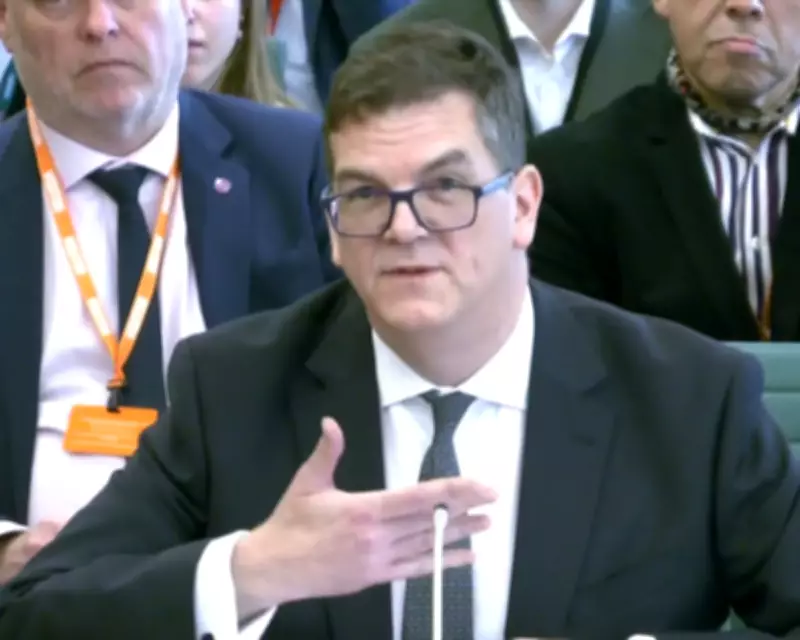
In a dramatic parliamentary hearing lasting over two-and-a-half hours, sacked civil servant Olly Robbins delivered a devastating account of the pressure exerted by Downing Street to approve Peter Mandelson's appointment as Washington ambassador despite significant security concerns. The former top Foreign Office official revealed he granted clearance without seeing the crucial UK Security Vetting form that recommended denying clearance.
"Atmosphere of Pressure" Created by No 10
Robbins told the foreign affairs select committee that Number 10 had created an "atmosphere of pressure" that made it nearly impossible to deny clearance for Mandelson, who had already been publicly announced for the senior diplomatic posting. He described the government's attitude toward vetting as "dismissive" and revealed that Mandelson had been given access to Foreign Office buildings and higher-classification briefings before receiving formal security clearance.
"I walked into a situation in which there was already a very, very strong expectation that he needed to be in post and in America as quickly as humanly possible," Robbins testified. He added that denying clearance would have been "very difficult indeed" given that "the PM's nominee had been put out there to the public, announced, blessed by the king, agreed by the US government."

Key Revelations from the Hearing
During his precise and detailed testimony, Robbins made several explosive revelations:
- He granted clearance without being aware of the full extent of national security concerns, making his decision without seeing the UKSV form that concluded "clearance denied" with a "high" overall concern rating
- He did not inform Prime Minister Keir Starmer, Foreign Secretary David Lammy, or anyone else in Number 10 about UKSV's recommendation to deny clearance
- Downing Street had tried to find a senior diplomatic role for another Starmer ally, former communications chief Matthew Doyle, and asked Robbins to keep Lammy unaware of these discussions
- The pressure was applied mainly by the prime minister's private office, which Robbins suggested was itself under pressure from higher levels
Political Fallout and Criticism
The testimony has intensified pressure on Keir Starmer, with criticism emerging from within his own cabinet. Energy Secretary Ed Miliband, a former Labour leader, told broadcasters: "You're saying he should never have been appointed and I agree with you." Labour MPs have expressed horror at the recurring reminder that Starmer personally appointed someone with Mandelson's reputation to the UK's most sensitive diplomatic post.
Conservative leader Kemi Badenoch told MPs during an emergency debate: "The prime minister personally decided to appoint a serious, known national security risk to our most sensitive diplomatic post. The prime minister sent a known security risk to Washington, to a position where he would see our most important allies' top secret intelligence."
Intelligence Committee Investigation
The Intelligence and Security Committee is currently examining hundreds of files related to Mandelson's time in Washington and has received some vetting information, including a summary document detailing his personal, financial, and business dealings. However, the committee is reportedly furious about the absence of key documents related to Robbins' decision to overturn UKSV's recommendation and his failure to record notes from crucial meetings.
The ISC process is expected to conclude within days, after which the Cabinet Office will review and redact documents, meaning they won't be released before parliament rises next week ahead of the May elections. This timing ensures the scandal will resurface in the aftermath of the elections.
Starmer's Response and Aftermath
Prime Minister Starmer responded to the testimony by telling his cabinet that Robbins was a "man of integrity and professionalism" who had made an "error of judgment." Number 10 denied taking a dismissive attitude toward vetting procedures.

Foreign Affairs Committee chair Emily Thornberry said after the hearing that while she had sympathy for Robbins' difficult position, she believed it was right that he lost his job over the saga. "I still, though, don't think it was wrong for him to lose his job. I'm afraid I don't," she stated.
The revelations have raised serious questions about whether Robbins was misled during the vetting process and have exposed significant tensions within government over security procedures and political appointments to sensitive positions.