Jonathan Powell Rejects Offer to Succeed McSweeney as Starmer's Chief of Staff
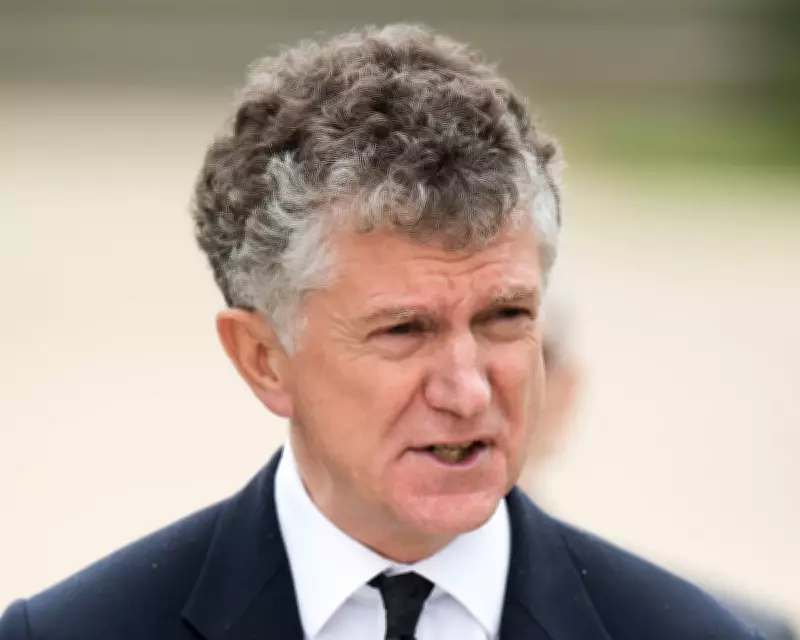
Jonathan Powell, the national security adviser to Prime Minister Keir Starmer, has firmly declined overtures to assume the role of chief of staff following the resignation of Morgan McSweeney, according to exclusive reports. Powell, who previously served as Downing Street chief of staff under Tony Blair from 1997 to 2007, is said to be motivated by a desire to return to his mediation consultancy work, with little interest in revisiting a position he has already held extensively.
Plans for Departure and Downing Street Denials
Allies of Powell indicate that he is considering stepping down from his role at the end of this year, which would mark another significant departure from the prime minister's senior team. However, Downing Street sources have strongly denied these claims, asserting that Powell has no plans to leave his position and will continue as national security adviser. They also refuted any suggestions that Powell had been offered the chief of staff role, labeling such assertions as untrue.
Key Role in Shaping Foreign Policy
Powell is credited with playing a pivotal role in shaping Starmer's foreign policy initiatives on the global stage. His efforts include aiding the prime minister in building a relationship with former US President Donald Trump and positioning the UK as a bridge between the US and Europe, which are viewed as some of the more successful aspects of Starmer's tenure at Number 10.

Controversy Over Mandelson Appointment
In the ongoing reshuffle at Downing Street, sparked by controversy over the appointment of Peter Mandelson as ambassador to Washington, it was announced that Chris Wormald, the cabinet secretary, is stepping down by mutual consent after just over a year in the role. Powell is understood to have strongly advised Starmer against appointing Mandelson, citing personal experiences from the Blair government where Mandelson courted controversy and resigned twice from cabinet positions. This advice highlights how Starmer and McSweeney overlooked top-level foreign policy guidance from within Number 10 and the Foreign Office.
Background and Mediation Expertise
Powell's consultancy, Inter-Mediate, which he founded in 2011, specializes in behind-the-scenes mediation to resolve conflicts. He is regarded as a key architect of the 1999 Good Friday agreement and has contributed to peace efforts globally, including supporting negotiations to end the Basque conflict, advising on Colombia's peace settlement, and assisting in Mozambique's civil war resolution. Powell has always viewed the demanding national security adviser role as a fixed-term commitment, reinforcing his current inclination to depart.