
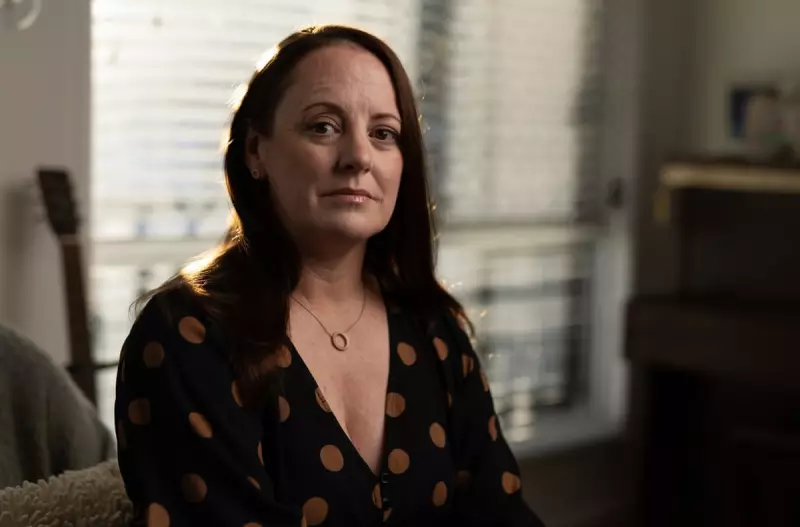
A former senior Queensland police detective has made explosive allegations that the force systematically covered up its failures in domestic violence cases, claiming she was ordered to protect the organisation's reputation at all costs.
Breaking the Code of Silence
Kate Pausina, who spent several years working in the coronial support unit, has come forward with detailed claims of ongoing interference by senior officers in examining deaths where there had been prior police contact with domestic violence victims. Her courage in speaking out, alongside a whistleblower from within the coronial system known as Elsie, formed the foundation for Guardian Australia's two-year investigation into how authorities handle domestic violence deaths.
Both women decided to break ranks because they believe family members of domestic violence victims have not been told the complete truth about what happened to their loved ones. Their disclosures reveal a pattern of serious police failures in cases involving intimate-partner violence, including some of Australia's most high-profile killings.
Systematic Cover-Up Allegations
Pausina submitted a public interest disclosure to the Crime and Corruption Commission in 2024 detailing what she described as intentional hindrance by senior officers investigating deaths with prior police involvement. She alleges that reports about police actions in domestic violence-related deaths were routinely requested to be redacted to remove information highlighting inadequate police responses.
During her time reviewing cases, Pausina identified at least eight suspicious deaths of women with domestic violence histories that she claims were not adequately investigated. These deaths were logged as non-suspicious, suicides, or drug-related incidents despite evidence suggesting possible intimate-partner homicide.
In one disturbing 2020 case, Pausina reviewed the suicide of a Cairns woman known to police as a domestic violence victim. A social worker had reported the woman missing, but police failed to treat it as a missing person's report despite clear welfare concerns and evidence she was suicidal. When Pausina submitted a report alleging procedural breaches and recommending misconduct investigations, she says a superior officer criticised her and stated their role was to protect the police service's reputation.
Coronial System Failures
The whistleblower from within the coronial system, Elsie, made similar alarming claims in her 2024 disclosure to the CCC. She alleges that both police and coroners failed to adequately investigate numerous deaths of women and children, and that victims' families were never told about policing failures that may have contributed to their loved ones' deaths.
Elsie claims the coronial system is fundamentally flawed because coroners rely heavily on evidence provided by police, creating a conflict of interest. She described police briefs as often voluminous and disorganised with relevant evidence buried among thousands of records, making it difficult for coroners to identify critical information.
Her disclosure specifically addresses alleged failures in the police response to Hannah Clarke, who was murdered alongside her three children by her estranged husband Rowan Baxter in 2020. Elsie claims she repeatedly tried to raise concerns through formal channels but was warned she would be pulverised if she continued speaking out.
Institutional Response and Aftermath
Queensland Police Deputy Commissioner Cameron Harsley, who has since retired from his position, responded to these allegations by stating that if true, they were very disturbing and completely unacceptable. He emphasised that the QPS holds openness and transparency in high regard and expects any officer failing in their duty to be fully investigated.
However, both Pausina and Elsie found that their previous complaints to internal police channels and the CCC resulted in no action being taken. The CCC assessed Elsie's disclosure but declined to investigate, determining her allegations amounted to police misconduct rather than corrupt conduct because they weren't serious enough to warrant criminal charges or dismissal.
Pausina, who has now left the Queensland police service, firmly believes that every domestic violence death is preventable. She emphasises that these cases involve real people with families who deserve truth and accountability, stating: It isn't a stolen car; it's not a stealing offence. People are being murdered. These people have loved ones.




