
A system failure that cost a life
The tragic death of Gail Karran, a former air traffic controller and triple-zero operator, has exposed shocking failures within Queensland's police system that allowed her violent husband to return home and kill her just hours after being released from custody.
On 31 October 2017, Bill Karran subjected his wife of 30 years to a brutal attack that would ultimately claim her life. What makes this case particularly disturbing is that Gail had taken extraordinary measures to protect herself, including keeping a secret audio recording of the assault and maintaining a coded calendar documenting previous attacks.
The night that ended in tragedy
Records obtained by investigators show that Gail contacted police twice on the evening of her death. During the first call around 7:30pm, officers found Bill had locked her out of their Torquay home near Hervey Bay. Police logged the incident as a routine "street check" and departed without taking substantial action.
When Gail called again approximately an hour later, having locked herself in her bedroom for safety, she disclosed alarming details about Bill's behaviour. She revealed he had attempted to suffocate her just one week earlier and described previous violent incidents where he had punched holes through doors. Most significantly, she informed officers she had been documenting the abuse through a calendar code system and using a digital recording device to capture evidence of the assaults.
Bill Karran was subsequently arrested and taken to the Hervey Bay watch house, but the protection this should have provided proved tragically short-lived.
Critical failures in police procedure
Custody records from that night reveal Bill had a blood alcohol concentration of 0.82 when police released him at approximately 10:52pm. Despite officers assessing him as posing a "risk of harm to others" upon his release, they took no steps to notify Gail about his impending return or check on her welfare.
Even more alarmingly, police had issued Bill with a domestic violence protection notice that contained details of the allegations his wife had made against him. This meant he was handed documentary evidence of her reports as he left custody while intoxicated.
Former detective sergeant Kate Pausina, who reviewed the case files while working with the coroner's office, stated unequivocally that this failure placed Gail in immediate danger. "[Her death] certainly could have been prevented," Pausina confirmed.
The fatal attack and its aftermath
After his release, Bill walked more than 3km home barefoot. Gail activated her recording device as he began pounding on the door. The audio evidence would later reveal 105 separate blows during the assault, along with rape and strangulation.
The recording captured Bill explicitly stating his motive: "Got a little read out of what you told the coppers out here, what a load of codswallop, and why am I doing this? 'Cause I read what you told the coppers. Today is the day you die, sweetheart."
Gail sought medical treatment at Hervey Bay hospital the following day, accompanied by Bill, and claimed her injuries resulted from falling out of bed. She suffered a seizure two days later and died in hospital on 9 November. An autopsy would later reveal bruising on her brain.
Investigation shortcomings
The police response to Gail's death revealed further systemic problems. Detectives initially accepted Bill's version of events and did not treat the matter as a potential homicide for several months. Basic investigative tasks were delayed, and potentially critical evidence was lost due to failures to obtain timely search warrants.
When police eventually recovered Gail's Olympus voice recorder, they discovered the damning evidence that Bill Karran had killed his wife. He was subsequently charged with manslaughter in November 2018 and sentenced to 12 years in prison after pleading guilty to manslaughter, rape and strangulation.
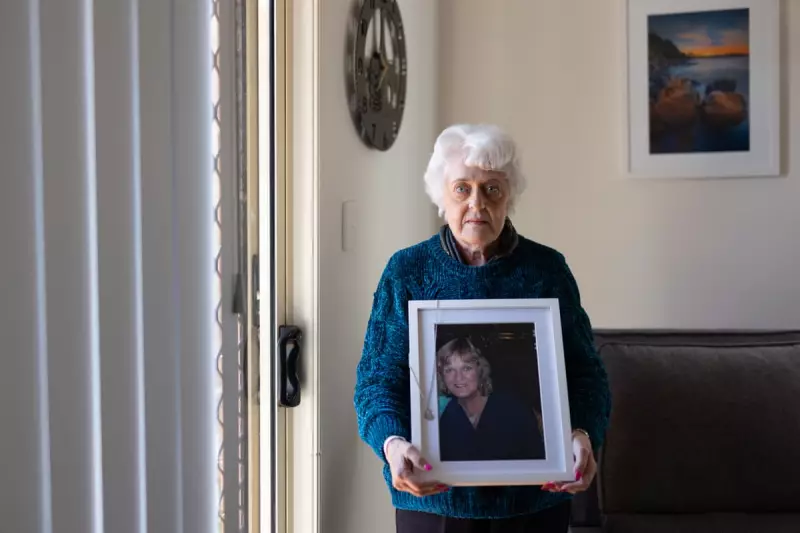
Gail's sister, Kaye White, learned about the charges through a radio news bulletin, having been completely excluded from police communications. "We had no contact at all from the police," White recalled. "We didn't know there was an investigation altogether. [Hearing about the charges on the radio] was something that I never wish to have again. You just don't know what to do. You just went numb."
Family's ongoing quest for answers
White described how Bill had attempted to isolate Gail from her family, though he hadn't completely succeeded. Just three weeks before her death, Gail had emailed her sister from a new account expressing concerns about Bill's behaviour regarding their late father's estate.
This crucial email was never seen by police or the coroner because investigators never requested correspondence from family members.
Queensland police deputy commissioner Cameron Harsley acknowledged the failures in the case, describing the failure to contact Gail's family and obtain additional evidence as "a missed opportunity." He stated: "I look at these matters and in hindsight it tells me that the system that we are trying to mature and the workforce we're trying to build around protecting victims of domestic and family violence has come a long way but has a long way to go."
The coroner's investigation found there was "very little which would have prevented him" from killing Gail, though the withheld evidence of police failures suggests otherwise. This case has become a pivotal example in Guardian Australia's two-year investigation into domestic and family violence homicides in Queensland, revealing patterns of systemic failure that continue to endanger vulnerable individuals.




