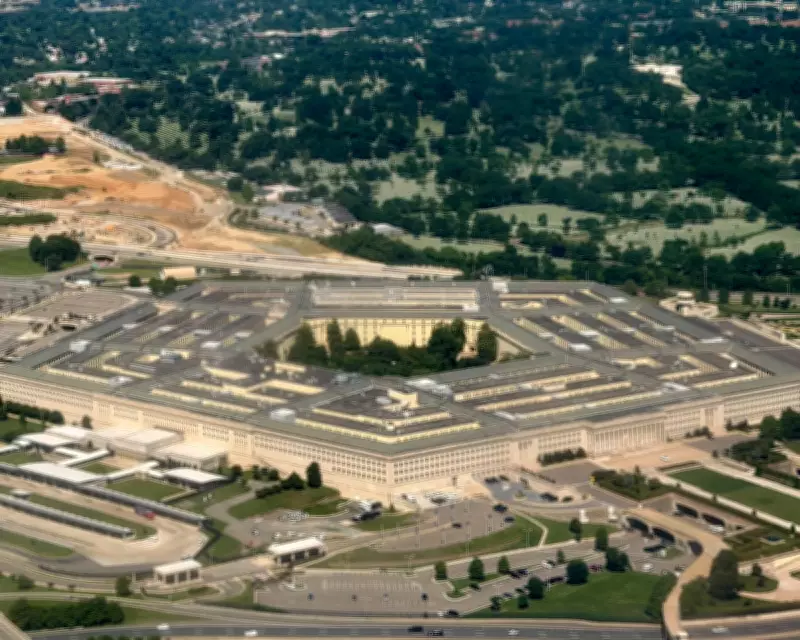
The Pentagon has taken the unprecedented step of revoking press credentials for several major US news organizations, including The New York Times, CNN, and The Washington Post. The decision, announced on Monday, cites repeated security breaches and what the Department of Defense describes as "biased and inaccurate reporting" that undermines national security.
Official Statement
In a statement, Pentagon spokesperson John Kirby said, "The Department of Defense has a responsibility to ensure that all media coverage of our operations is accurate and does not compromise the safety of our personnel. Recent incidents have demonstrated a pattern of disregard for basic security protocols and a lack of journalistic integrity." The affected outlets have been notified that their press passes are immediately invalidated, and they will no longer have access to Pentagon briefings or facilities.
Reactions from News Organizations
The targeted news organizations have strongly condemned the move. In a joint statement, the editors of The New York Times, CNN, and The Washington Post said, "This is an unprecedented attack on press freedom in the United States. The Pentagon's actions are a clear attempt to silence critical reporting and hide information from the American public." They have vowed to challenge the decision through legal channels.

The White House has declined to comment on the Pentagon's decision, but press secretary Karine Jean-Pierre emphasized the administration's commitment to a free press. "The President believes that a free and independent media is essential to our democracy," she said. "We are reviewing the situation."
Historical Context
This is not the first time the Pentagon has clashed with the press. During the Trump administration, similar tensions arose, but outright revocation of credentials for multiple major outlets is unprecedented. Press freedom advocates warn that this sets a dangerous precedent.
Impact on Reporting
The revocation affects dozens of journalists who regularly cover the Pentagon. They will be barred from attending press briefings, accessing military installations, and receiving official statements. The Pentagon has stated that alternative arrangements will be made for "pool" coverage, but critics argue this will limit independent reporting.
Legal experts are divided on the constitutionality of the move. While the First Amendment protects press freedom, the government has broad discretion over access to its facilities. However, selective revocation based on content could be challenged as viewpoint discrimination.
International Reaction
International press freedom organizations, including Reporters Without Borders and the Committee to Protect Journalists, have condemned the Pentagon's action. "This is a dark day for press freedom in the United States," said a spokesperson for CPJ. "We urge the Pentagon to immediately reinstate the credentials and engage in dialogue with the media."
The situation remains fluid, with the possibility of legal action and further developments expected in the coming days.