
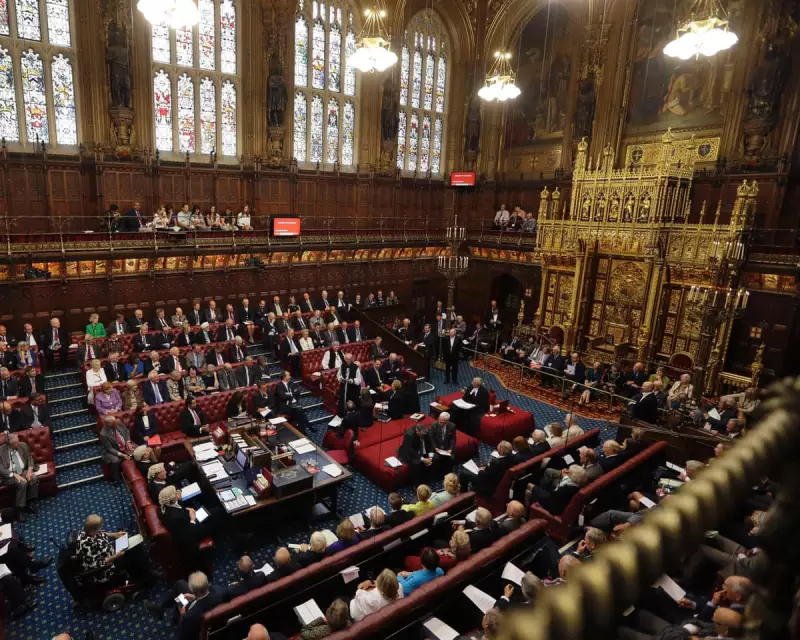
The House of Lords is preparing for a crucial confrontation over the assisted dying bill, with opponents tabling a staggering 942 amendments in what supporters fear is a deliberate attempt to talk the legislation to death.
Democratic Concerns Raised
Senior political figures have issued a stark warning that it would be profoundly anti-democratic for the unelected Lords to kill legislation that has already passed through the House of Commons. In a significant intervention, 65 peers including two cabinet secretaries, former Labour leader Neil Kinnock, and former Tory leader Ruth Davidson signed a letter emphasising the importance of respecting the elected chamber's decision.
The bill, which began as a private member's initiative from Labour MP Kim Leadbeater, successfully passed the House of Commons in June with what signatories describe as a reasonable majority. The letter's signatories, who also include former lords speaker Helene Hayman, scientist Robert Winston, and former Green leader Natalie Bennett, argued that the Lords' role is to scrutinise and improve legislation, not to frustrate the clear democratic mandate expressed by elected MPs.
Amendment Strategy Revealed
Opponents of assisted dying have mounted an organised campaign to halt the bill's progress through procedural means. More than half of the 942 amendments have been tabled by just seven members of the upper house, all known opponents of assisted dying legislation.
Key figures behind this strategy include Illora Finlay, a former doctor and major campaigner against assisted dying, and former Paralympian Tanni Grey-Thompson, who has argued the bill would put disabled people at risk. Both have tabled more than 100 amendments each, while former health secretary Thérèse Coffey has submitted 60.
A source close to the bill confirmed that if peers pushed all amendments to a vote, the legislation could be effectively filibustered through sheer volume of debate. Unlike in the Commons, the lord speaker lacks the power to group or select amendments to limit their number.
Opposing Arguments Clash
Those opposing the bill maintain that since assisted dying wasn't in the government's manifesto, the usual rules about Commons primacy don't apply. Labour's Luciana Berger, who opposes the legislation, pointed to evidence from the Lords select committee that heard from professional bodies including the Equality and Human Rights Commission (EHRC), which strongly refuted suggestions that the bill is either safe or workable.
Berger also raised concerns that palliative care developments have slowed in legislatures that have introduced assisted dying, warning that vulnerable people could fall through the holes in this legislation.
Despite the opposition, backers of the bill remain confident it will ultimately pass, noting that most peers understand the convention that the Lords should scrutinise but not frustrate the will of the elected chamber. One supporter stated they were confident that a clear majority in the Lords, including both opponents and supporters of the bill, believe in this fundamental principle of parliamentary democracy.




