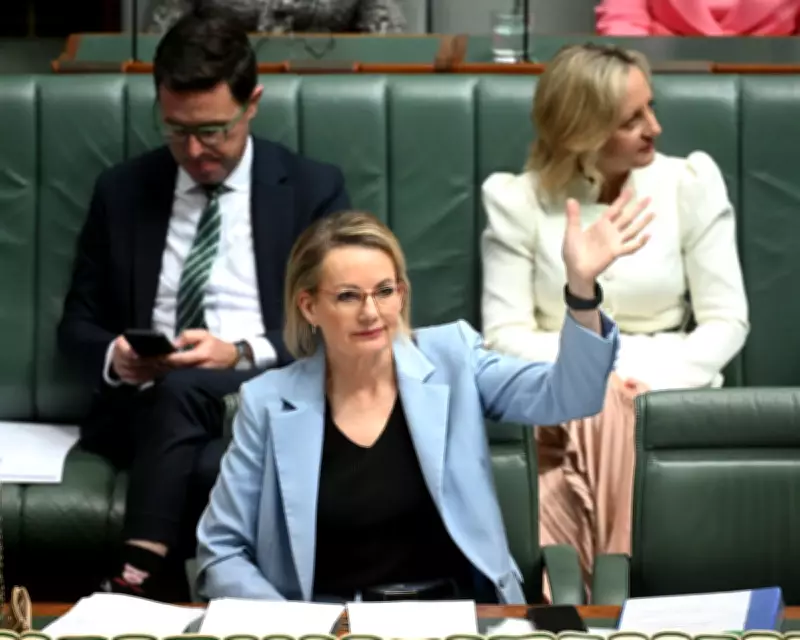
As the parliamentary session resumes, the political landscape is dominated by a coalition in a state of profound disarray, with the spotlight firmly fixed on internal turmoil that threatens to derail legislative agendas and governance. The return of parliament has not brought the usual focus on policy debates or national issues, but rather has highlighted deep-seated fractures within the coalition, raising concerns about its ability to function effectively.
Internal Divisions and Leadership Tensions
Key members of the coalition are openly at odds over critical policy matters, with splits emerging on issues ranging from economic strategy to social reforms. These disagreements are not merely ideological but have escalated into personal conflicts, undermining unity and cohesion. The atmosphere is charged with tension, as factions within the coalition vie for influence, creating a volatile environment where compromise seems increasingly elusive.
Potential for Leadership Spills
Amidst this chaos, speculation is rife about potential leadership spills, with rumours circulating that dissatisfied members may challenge the current leadership. Such moves could trigger a period of instability, diverting attention from pressing national concerns and eroding public confidence in the government's ability to lead. The looming threat of spills adds an extra layer of uncertainty, making it difficult for the coalition to present a united front or advance coherent policies.

Impact on Policy and Governance
The ongoing disarray within the coalition has significant implications for policy development and implementation. With key figures divided, legislative progress is likely to stall, and important initiatives may be delayed or watered down. This paralysis not only hampers the government's agenda but also affects broader economic and social outcomes, as uncertainty can deter investment and undermine public services.
Moreover, the public perception of a government in chaos risks damaging the coalition's electoral prospects, as voters may seek stability and clear direction. The spotlight on these internal struggles overshadows any positive achievements, making it challenging for the coalition to communicate its vision or regain trust.
Broader Political Context
This situation is unfolding against a backdrop of broader political challenges, including economic pressures and social issues that require decisive action. The coalition's inability to resolve its internal conflicts could exacerbate these problems, leading to a cycle of dysfunction that impacts the entire political system. Observers note that without swift resolution, the chaos may deepen, potentially leading to more drastic changes in the political landscape.
In summary, the return of parliament has cast a harsh light on a coalition in chaos, with splits and spills looming large over policy discussions. The internal divisions threaten not only the coalition's stability but also the effective governance of the nation, highlighting the urgent need for unity and strategic leadership to navigate these turbulent times.