NSW Parliamentary Inquiry Proposes Conditional Ban on Controversial Phrase
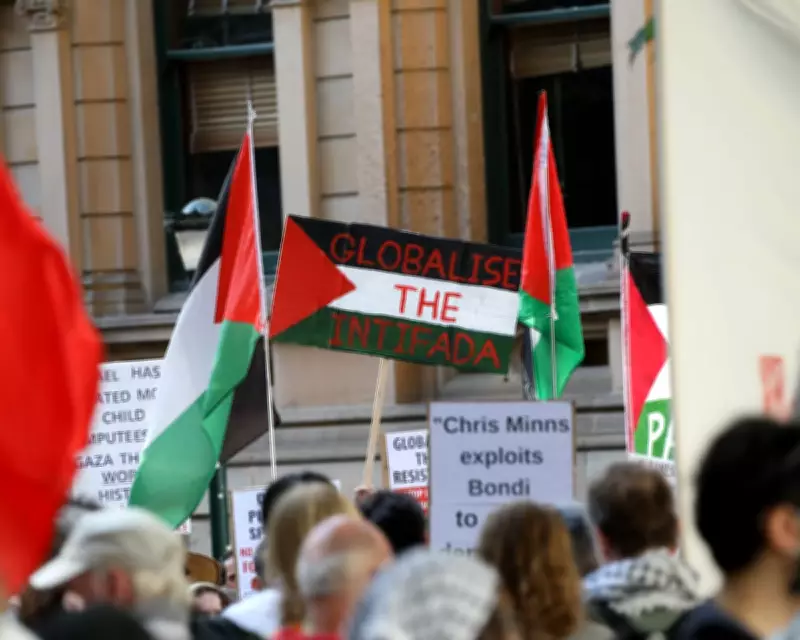
A parliamentary inquiry in New South Wales is set to recommend a targeted ban on the phrase 'globalise the intifada', but only in circumstances where it is used to incite violence. The draft recommendations, confirmed by inquiry chair and Labor MP Edmond Atalla, stop short of calling for an outright prohibition on the statement or banning other contentious phrases such as 'from the river to the sea'.
Opposition Voices Strong Criticism of Draft Recommendations
The NSW opposition has expressed significant dissatisfaction with the inquiry's approach, describing it as 'deeply unimpressive' and potentially confusing. Shadow Attorney General Damien Tudehope argued that the recommendation would merely criminalise conduct already unlawful under existing provisions of the Crimes Act, adding nothing substantial except potential confusion about acceptable usage.
'If conduct is already unlawful under existing provisions, this recommendation adds nothing except confusion, and risks giving the false impression that other uses are acceptable,' Tudehope stated on Thursday.

Inquiry Process and Timing Draws Scrutiny
The inquiry, which will deliver its final report to the state government on Friday, has faced criticism for its compressed timeline. Operating for just three weeks of public submissions during the holiday period, the process received over 500 individual submissions, with only 150 scheduled for publication. Deputy Chair Hugh McDermott defended the approach, citing the urgency following the Bondi terror attack as justification for the accelerated schedule.
'[The committee has] been in discussions nearly every single day,' McDermott explained, noting that amendments could still be made by the Labor-majority committee following Thursday's final closed meeting.
Complex Legal and Constitutional Considerations
The inquiry has navigated complex legal territory, with constitutional law expert Professor Anne Twomey highlighting the difficult legal issues surrounding bans on specific political chants. In her submission, Twomey noted that such proposals venture into areas of jurisprudence that remain underdeveloped, making it challenging to create constitutionally sound legislation within the inquiry's limited timeframe.
However, Twomey later acknowledged that the conditional approach recommended by the inquiry 'would be constitutionally much safer than an outright ban.'
Community Responses and Historical Context
The phrase 'globalise the intifada', derived from the Arabic word for uprising, has become a flashpoint in community discussions. While some Jewish community organisations, including the NSW Jewish Board of Deputies and the Executive Council of Australian Jewry, advocated for broader bans on what they termed 'hateful slogans', other groups including the Palestine Action Group and the Jewish Council of Australia argued against inherent hatefulness in the phrases.
Atalla emphasised the phrase's particular impact on Jewish communities, stating: 'Globalise the intifada as words on their own chanted probably mean nothing to a lot of people, but to the Jewish people, it threatens.'
Existing Legislation and Proposed New Offence
New South Wales already maintains offences under sections 93Z and 93ZAA of the Crimes Act for inciting violence and racial hatred. Despite this existing framework, McDermott argued that creating a specific offence for 'globalise the intifada' when used to incite violence would increase prosecution likelihood.
The proposed legislation would include defences for artistic, academic, and educational uses of the phrase, though questions remain about how authorities would determine incitement to violence in practice.
Premier's Position and Legislative Timeline
Premier Chris Minns has repeatedly signalled support for banning the phrase following the Bondi attack, though he emphasised the independence of the parliamentary inquiry process. Minns indicated he would have 'more to say' once receiving the final report and did not expect immediate legislation when parliament resumes next week.

The inquiry also examined international approaches, noting that while the UK hasn't banned the phrase outright, police have made arrests under existing offences for calls to 'intifada' during pro-Palestine protests.