
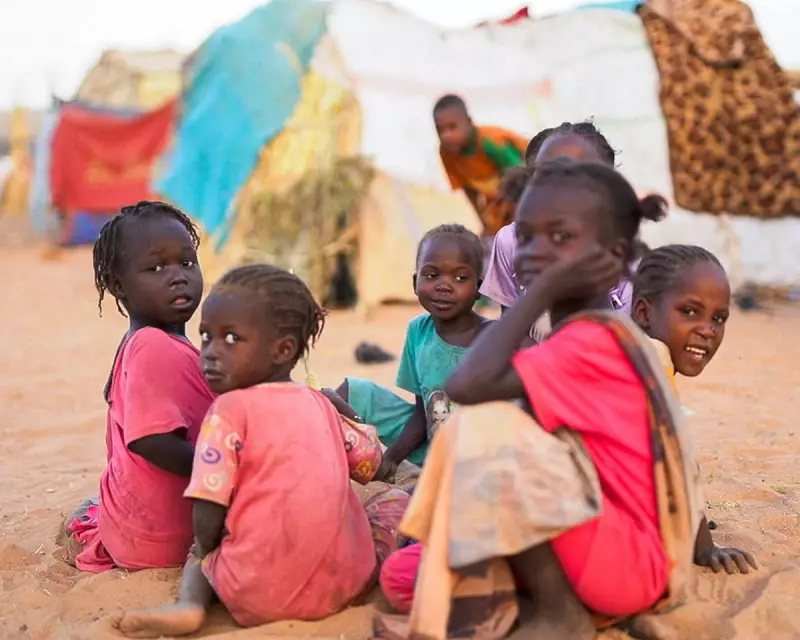
Humanitarian operations in North Darfur are teetering on the edge of total collapse, the United Nations has warned, following the capture of the regional capital El Fasher by the paramilitary Rapid Support Forces (RSF) last month. This development has triggered a massive exodus and created a devastating health crisis for displaced civilians.
A City Falls and a Crisis Unfolds
The RSF seized control of El Fasher, the last major urban centre in Darfur outside its control, on 26 October. In the brutal aftermath, survivor accounts and evidence point to ethnically-targeted massacres that claimed the lives of more than 1,500 people. One witness, speaking to Reuters from a displacement camp in Tawila, described RSF trucks spraying civilians with machine-gun fire and running them over. "Young people, elderly, children, they ran them over," the anonymous man reported.
The International Organization for Migration (IOM) has stated that nearly 90,000 people have fled El Fasher and surrounding villages in recent weeks. These desperate journeys are undertaken along unsafe routes with no access to food, water, or medical assistance.
Overcrowded Camps and a Staggering Health Emergency
Tens of thousands of these displaced individuals have arrived at already overcrowded camps in Tawila, located roughly 70 kilometres from El Fasher. These makeshift facilities, such as the Um Yanqur camp, are situated in barren areas with a severe lack of tents, food, and medical supplies.
The health situation is dire. The aid group Doctors Without Borders (MSF) has reported that malnutrition in the displacement camps has reached "staggering" levels. Their data shows that over 70% of children under five who reached Tawila between the fall of El Fasher and 3 November were acutely malnourished, with more than a third suffering from severe acute malnutrition. MSF cautioned that the true scale of the crisis is likely far worse.
Compounding the disaster, the World Health Organization has warned that thousands of people remain trapped inside El Fasher itself with almost no access to essential supplies.
Mounting Evidence of Atrocities and International Inaction
Evidence of widespread human rights abuses continues to mount. Satellite imagery has detected large pools of blood on the streets of El Fasher, and footage from RSF fighters themselves shows multiple instances of people in civilian clothes being executed. Medical workers who managed to flee have recounted killings, abductions, rapes, and systematic looting.
Anna Mutavati, the UN Women regional director for east and southern Africa, stated, "There is mounting evidence that rape is being deliberately and systematically used as a weapon of war. Women's bodies become a crime scene in Sudan." As in previous mass killings, RSF fighters appear to be specifically targeting darker-skinned non-Arabs.
The International Criminal Court has now launched an investigation into the scale of abuses and potential war crimes in El Fasher. Despite the overwhelming evidence, the UN commissioner for human rights, Volker Türk, lamented the international community's inaction, telling Agence France-Presse, "These attacks have made starkly clear the cost of inaction by the international community."
With warehouses nearly empty, aid convoys facing extreme insecurity, and access restrictions blocking deliveries, the IOM has echoed this sentiment. Its director general, Amy Pope, emphasised that without safe access and urgent funding, life-saving humanitarian operations risk grinding to a halt precisely when they are needed most.




