Myanmar's Final Election Phase Held Amid Violence and Criticism
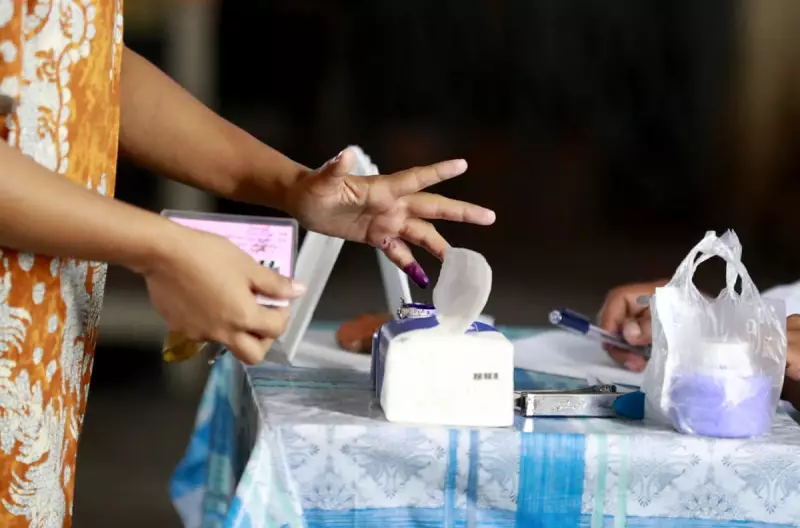
The third and final phase of voting in Myanmar's election occurred on Sunday, with a woman in Yangon seen dipping her finger into electoral ink after casting her ballot. This stage marks the conclusion of a three-phase process that has been widely derided as a sham by international observers and human rights groups.
Election Conducted Under Military Rule
Junta leader Min Aung Hlaing has defended the vote as "free and fair", positioning it as a step towards democracy and stability. However, the election takes place nearly five years after the military seized power in a coup, ousting the elected government of Aung San Suu Kyi and triggering a fierce nationwide conflict. Aung San Suu Kyi, now 80, remains detained, and her party has been banned from participating.
The United Nations, human rights experts, and several western governments have rejected the election, citing a lack of legitimacy. Tom Andrews, the special rapporteur on human rights in Myanmar, stated that the vote was orchestrated by the military to ensure a landslide victory for its political proxy, the Union Solidarity and Development party (USDP).

Violence and Exclusions Mar the Process
Just days before the final voting phase, a military airstrike on a village in Kachin state killed 21 people and injured 28, where displaced individuals from Bhamo township were sheltering. Voting proceeded in Bhamo on Sunday, highlighting the ongoing violence that has plagued the election period.
Analysts estimate that approximately one-third of Myanmar's territory has been excluded from the election due to control by anti-junta groups or ongoing fighting. This exclusion limits voter participation and undermines the electoral process's inclusivity.
Political Landscape and International Response
A total of 57 parties are competing in the election, with only six operating nationwide. None of the parties on the ballot are seen as representing anti-military sentiment, according to analysts. The USDP is fielding the largest number of candidates, further skewing the political landscape.
Malaysia has announced that the Association of Southeast Asian Nations (Asean) will not endorse the poll or send observers. However, it remains uncertain whether individual member states will increase engagement with Myanmar's leadership post-election. In contrast, China, a key military ally, supports the election as a path to stability.
Conflict and Human Rights Concerns
The military coup in 2021 triggered a fragmented conflict, described by Acled as "the most fragmented conflict in the world". Su Mon, Acled's senior analyst for Asia Pacific, noted that while the military portrays elections as an exit from crisis, its counter-offensives have intensified ahead of the vote. Acled has recorded 92,000 fatalities since 2021, with airstrikes on civilian areas increasing in 2025.
A new election protection law enacted in July imposes severe penalties, including a minimum three-year prison sentence or even the death penalty for criticising the vote. This has stifled political discourse, with many voters in Yangon reluctant to speak to media due to safety concerns.
Turnout appeared lower than usual during earlier voting phases in Yangon, and the pre-election period lacked the large rallies and excitement of previous elections. As the final round concludes, expectations are that the USDP will win in a landslide, and conflict will continue to escalate across Myanmar.