
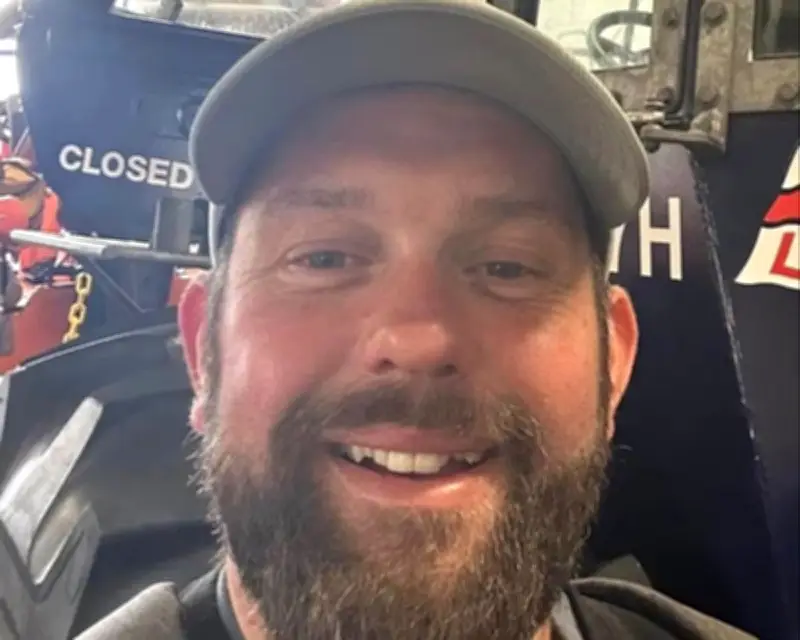
James Desborough, a 40-year-old man already serving a life sentence for murdering his cellmate, has been convicted of killing and dismembering two vulnerable friends in Cornwall. The jury at Winchester Crown Court found him guilty of murdering Claudio Aquilino, 57, and Daniel Coleman, 43. Mr Justice Saini, who will sentence Desborough on Wednesday, indicated that a whole-life term is possible, describing the circumstances as 'unique'.
Background of the Murders
Desborough killed Aquilino and Coleman in 2025, then burned and hid their remains in Paramoor Woods near Sticker, Cornwall. Aquilino's body was found in over 1,900 burnt bone fragments in a stream, while Coleman's charred remains were discovered in a shallow grave with a hatchet nearby. Police also found notes suggesting Desborough planned to change his appearance through plastic surgery and flee the UK, possibly to southeast Asia.
The murders occurred after Desborough had fallen on hard times. Once a civil engineer and father, he became homeless and lived in a shack on land inherited from his grandfather, without proper planning permission. He befriended Aquilino and Coleman at a homeless hostel in Newquay. Aquilino was taking hard drugs and suffering from depression, while Coleman abused alcohol and had cirrhosis and PTSD from a childhood stabbing.
Investigation and Evidence
Police launched Operation Honeyfall, involving over 700 officers and scientists from five forces, including dog teams, soil experts, and anthropologists. The search lasted five months in difficult terrain. During the investigation, Desborough monitored the search, even telling a forensic biologist that he liked the dismemberment scenes from the TV show Dexter. He used the victims' bank cards after their deaths, buying items including a roast beef dinner.
While awaiting trial, Desborough murdered his cellmate Steven Kempster at Exeter prison, strangling him because he was annoyed by his snoring. He is already serving a life sentence for that killing.
Court Proceedings
During his trial, Desborough denied murder but admitted burning and hiding the bodies while under the influence of ketamine and tequila. He claimed he found the bodies by chance, describing it as a 'series of unfortunate circumstances'. The prosecutor, Ahmed Hossain KC, suggested Desborough may have considered his victims worthless because of their troubled lifestyles, but Desborough replied, 'I thought they were OK. They were good friends.'
Detective Superintendent Rachael Bentley, head of Devon and Cornwall Police's major crime investigation team, said: 'Both men were vulnerable and trusted James Desborough as their friend. Desborough not only brutally murdered both men, but then savagely desecrated their bodies, seeking to hide the evidence of his crimes. In doing so, he denied both men of dignity and their families of the opportunity to say goodbye.'
Broader Context
The case highlights serious social issues in Cornwall, including homelessness, addiction, and exploitation such as 'cuckooing', where dealers take over vulnerable people's homes. Desborough's acquaintances described him as a 'control freak' with a terrible temper. He had a prior conviction for grievous bodily harm.




