Morgan McSweeney: The Architect of Labour's Comeback and Controversial Downfall
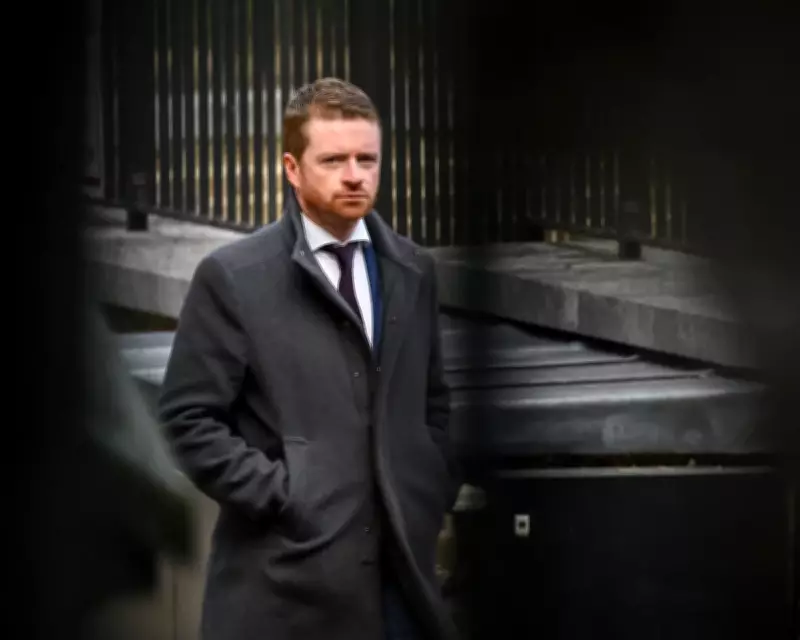
Morgan McSweeney will be remembered as one of the most influential unelected political figures in recent British history. His journey from a behind-the-scenes strategist to Keir Starmer's chief of staff was marked by dramatic highs and lows, culminating in a resignation that has shaken the Labour Party.
From Election Triumph to Downing Street Power
In the early hours of 5 July 2024, Keir Starmer arrived at Tate Modern in central London to celebrate Labour's landslide election victory. Flanked by his wife, Victoria, and his closest aide, Morgan McSweeney, the soon-to-be prime minister addressed cheering activists. This moment, which saw a reluctant McSweeney dragged on stage, symbolised a staggering political turnaround. Fewer than five years after Labour's worst election defeat since 1935 under Jeremy Corbyn, the party had not only reclaimed its "red wall" but also won seats never before held by Labour MPs. McSweeney was widely credited as the mastermind behind this historic comeback, with Peter Mandelson once praising him as a political saviour.
Strategic Mastery and Electoral Success
McSweeney's strategy focused on purging Corbynites from candidate lists and favouring moderates, including his wife, Imogen Walker, who became an MP in the 2024 intake. He aimed to spread the Labour vote widely to maximise seat gains, resulting in many candidates winning by narrow margins. Despite Labour securing a huge majority of 174 seats, just five short of Tony Blair's 1997 record, the party gained power with only 33.7% of the vote. This victory was described as a "masterpiece of political Jenga" by politics professor Rob Ford, though the rightwing press dubbed it a "loveless landslide."

Downfall Through Poor Judgment and Toxic Culture
McSweeney's ascent to Downing Street as chief of staff was short-lived. His insistence on maintaining a close working relationship with Peter Mandelson proved fatal. McSweeney successfully advocated for Mandelson to become US ambassador, despite knowing of Mandelson's continued friendship with sex offender Jeffrey Epstein after his conviction. Emails released by the US justice department appear to show Mandelson sent Epstein confidential information about the UK's response to the global financial crisis while serving as business secretary. This lapse in judgment prompted McSweeney's resignation, with Mandelson now at the centre of a police investigation after standing down from the Lords.
In government, McSweeney was accused of presiding over a toxic culture in Downing Street, initiating briefing wars against potential leadership challengers like health secretary Wes Streeting. Critics say he was so fixated on strategising for the 2029 election that he neglected his role in helping Starmer govern, leading to policy U-turns on issues such as the two-child benefit cap and inheritance tax for farmers. Labour's support quickly eroded, with MPs becoming mutinous and blaming McSweeney for impending electoral disaster.
Early Life and Political Roots
Born in Macroom, County Cork, in April 1977, McSweeney was the grandson of an IRA courier. Although his parents canvassed for Ireland's centre-right Fine Gael party, he showed little early interest in politics, preferring sports like hurling and supporting Liverpool FC. After moving to London as a teenager and working on building sites, he gained a degree in politics and marketing from Middlesex University. Inspired by Labour's role in the Good Friday agreement, he joined the party and earned his stripes fighting extremism in London, from Trotskyite factions in Lambeth to far-right BNP challenges in Dagenham.
Path to Power and Legacy
After a crushing defeat in Liz Kendall's 2015 leadership campaign, McSweeney spent the Corbyn years strategising to drag Labour back to the centre through the thinktank Labour Together. He identified Keir Starmer as the candidate to unite party members and the electorate, overseeing Starmer's successful leadership campaign in 2020. Despite rocky moments, such as the near-resignation after the 2021 Hartlepool byelection, McSweeney's efforts culminated in the 2024 victory.

Now, Labour is haemorrhaging support to both Reform UK and the Green party, with May's local elections potentially sounding the death knell for Starmer. McSweeney leaves behind a complex legacy: the architect of a seismic victory who also contributed to Starmer becoming the most unpopular prime minister in history. His story underscores the volatile nature of unelected power in modern British politics.