Mandelson's Lords Departure Exposes Deep-Seated Systemic Flaws
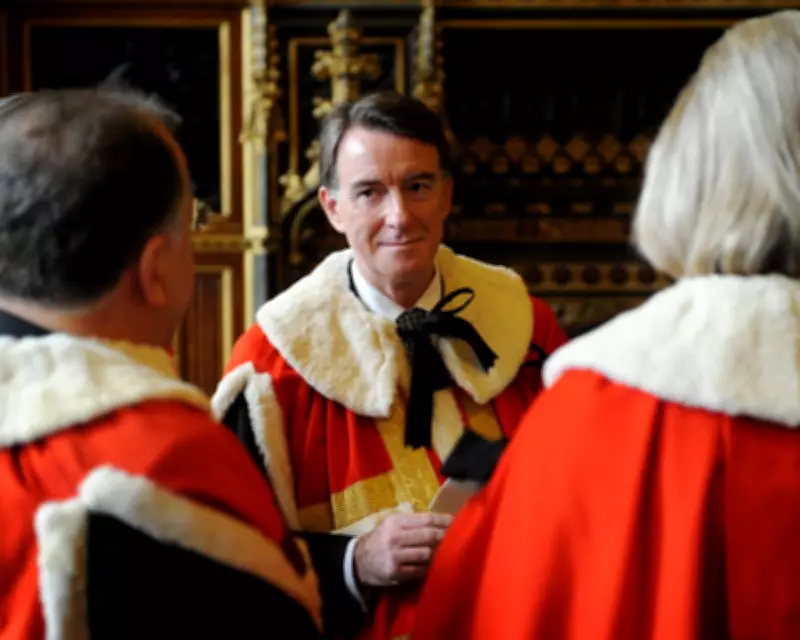
Peter Mandelson has officially resigned from the House of Lords, yet he retains the title of Lord Mandelson, a privilege that can only be stripped by an act of parliament or upon his death. This situation underscores the archaic, semi-feudal nature of Britain's political honours system, where disgraced figures can cling to ceremonial status despite serious misconduct allegations.
A Career Built on Patronage and Controversy
Mandelson's elevation to the Lords in 2008 came despite two high-profile ministerial resignations. In 1998, he stepped down after failing to disclose a substantial home loan from a wealthy backer. Just three years later, in 2001, he was forced to resign again for assisting a millionaire donor to the Millennium Dome in obtaining a British passport. Rather than ending his influence, his peerage allowed him to maintain a significant role within political circles.
More recently, Keir Starmer's patronage secured Mandelson the prestigious role of US ambassador, despite well-documented associations with the disgraced financier Jeffrey Epstein. His career, littered with dishonesty and scandal, has been repeatedly defended by establishment voices who argued he was suitable for representing the nation internationally. This normalisation of questionable conduct reflects a broader assumption that corruption is an accepted part of political life.

Systemic Issues Within the Second Chamber
Mandelson functioned as a crucial intermediary within elite circles, with his peerage enhancing both his stature and access to power. While he will not return to the Lords, the chamber remains plagued by subtle, rule-bound practices that effectively amount to cash for access. A damning report from February revealed that nearly 100 peers received payments for providing political or policy advice to commercial firms. One former minister reportedly earned millions from thirty different companies, while multiple peers have accepted payments from foreign governments, including repressive regimes.
The blending of politics and business in the Lords is facilitated by peers' ability to use parliamentary facilities for private interests. This environment has led to numerous breaches of conduct. For instance, the Earl of Shrewsbury was banned after wrongly claiming travel expenses for a business conference, his second suspension in three years. Ian Duncan, a deputy speaker, breached rules by facilitating a meeting between a corporate chief executive and a government minister. Others have apologised for promoting cryptocurrency ventures or seeking personal profit from their membership.
In November, the Lords conduct committee suspended David Evans and Richard Dannatt for offering parliamentary services for payment, though both are expected to return by Easter. Perhaps most egregiously, Michelle Mone retains her peerage despite lying about her involvement in a company that sold faulty Covid PPE, costing taxpayers hundreds of millions. The pandemic exposed a fast-track contracting scheme that bypassed standard safeguards, contributing to an estimated £11bn in fraud and error.
The Case for Radical Democratic Reform
Beyond active misconduct, many peers contribute little, treating the Lords as a prestigious club rather than a workplace. Reforming this ingrained culture requires more than incremental changes; it necessitates abolishing the current system of patronage. As a peer from a working-class background, Jenny Jones expresses honour in her role but fury at those who fail to take their legislative duties seriously. The chamber lacks democratic legitimacy, with all members appointed through political patronage or inheritance.
While many peers work diligently to improve legislation and society, the fundamental question remains: why does an unelected second chamber still exist? It is time to replace it with a modern, elected body that commands public trust and accountability. Mandelson's exit is not just about one individual's title; it highlights the urgent need for systemic overhaul to restore faith in British democracy.