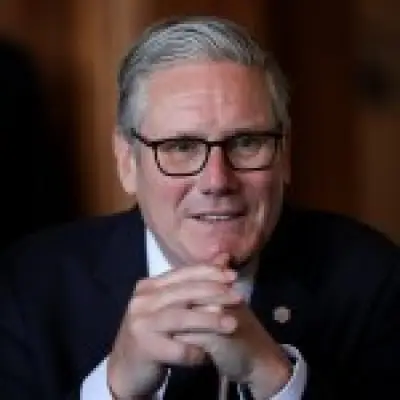
Lord Mandelson Steps Down from House of Lords in Epstein Email Fallout
In a significant political development, Lord Peter Mandelson, the former Labour minister and key figure in British politics, has resigned from the House of Lords. This move comes in the wake of a controversy involving emails connected to the late financier Jeffrey Epstein, as officially announced by the Speaker of the upper house.
Details of the Resignation Announcement
The resignation was formally declared by the Speaker of the House of Lords, marking a notable moment in the ongoing scrutiny of political figures associated with Epstein. Lord Mandelson, who has served as a peer since 2008 and held prominent roles such as Business Secretary and European Trade Commissioner, has not provided a detailed public statement regarding the specific contents of the emails. However, sources indicate that the decision follows internal pressure and ethical reviews within the parliamentary body.
Background on the Epstein Email Controversy
Jeffrey Epstein, a convicted sex offender who died in 2019, has been at the centre of numerous investigations into his connections with high-profile individuals worldwide. The emails in question are believed to relate to communications that have raised concerns about propriety and associations, though exact details remain under wraps due to ongoing inquiries. This incident adds to a series of political scandals in the UK, highlighting the impact of external controversies on domestic governance.

Political Repercussions and Reactions
The resignation has sparked varied reactions across the political spectrum:
- Labour Party Response: Some Labour members have expressed disappointment, citing Lord Mandelson's contributions to policy and diplomacy, while others call for transparency and accountability in light of the Epstein links.
- Conservative Commentary: Critics from opposing parties have seized on the event to question ethical standards in the House of Lords, urging broader reforms to prevent similar incidents.
- Public and Media Scrutiny: The announcement has intensified media coverage, with debates emerging over the implications for trust in political institutions and the need for stricter vetting processes for peers.
Broader Implications for the House of Lords
This resignation underscores ongoing challenges within the House of Lords, including:
- Ethical Oversight: Calls for enhanced mechanisms to monitor peer conduct and associations, particularly in relation to international figures like Epstein.
- Political Stability: The event may influence public perception of the upper house's integrity, potentially fueling discussions on its reform or abolition.
- Future Precedents: It sets a precedent for how similar cases might be handled, emphasising the role of the Speaker in managing sensitive announcements.
As investigations continue, this development is likely to remain a focal point in UK political discourse, reflecting broader themes of accountability and transparency in public life.