Mandelson-Epstein Scandal Fuels Predictions of Prime Ministerial Downfall
A political storm is brewing in Westminster as senior MPs from across the spectrum are warning that the ongoing Mandelson-Epstein scandal could force Sir Keir Starmer out of Downing Street. Following a tumultuous Prime Minister's Questions and a chaotic Commons debate, comparisons are being drawn to the infamous Profumo affair of the early 1960s, which ultimately led to the resignation of Conservative Prime Minister Harold Macmillan.
Profumo Parallels: Sex, Secrets, and Political Peril
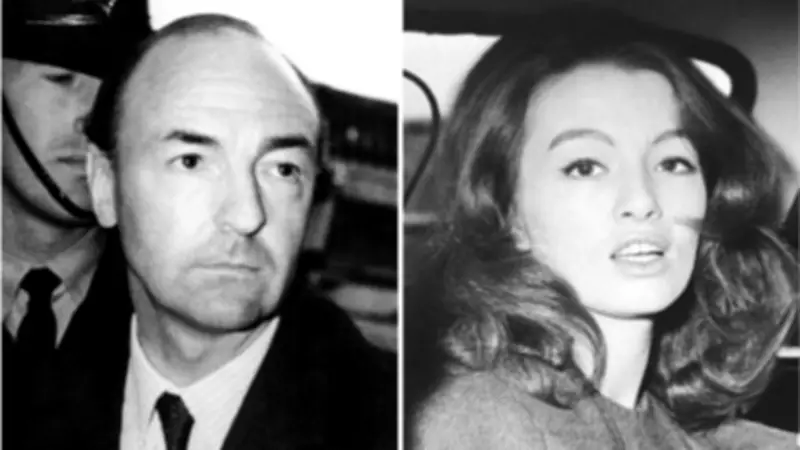
The Profumo scandal involved Secretary of State for War John Profumo, who had an affair with call girl Christine Keeler, who was simultaneously involved with a Soviet naval attaché. Profumo lied to Parliament about the relationship, and Macmillan's perceived mishandling of the crisis, including his failure to confront Profumo directly, contributed to his political demise months later. Now, MPs see eerie echoes in the current Mandelson-Epstein crisis, which also involves lurid revelations, police investigations, and allegations of misconduct.
SNP Westminster leader Stephen Flynn told Sky News, "The Profumo affair brought down Harold Macmillan. This will bring down Keir Starmer. It's absolutely inevitable." He criticised Starmer's judgement, stating that the Prime Minister's recent disclosures had broken public trust, which he deemed unforgivable for a leader. Plaid Cymru's Westminster leader, Liz Saville-Roberts, added that such scandals often start slowly before accelerating, noting, "We're seeing it speed up now."

Chaotic Commons Showdown and Government U-Turn
The crisis intensified during a Commons debate on a Tory demand for the release of documents related to Peter Mandelson. The government initially resisted, citing national security concerns, but faced a potential humiliating rebellion. In a last-minute compromise, an amendment was passed "on the nod", granting Parliament's Intelligence and Security Committee the power to vet which sensitive Mandelson documents should be released. This U-turn was forced in part by an intervention from Angela Rayner, Starmer's former deputy, who now sits on the back benches after her own controversies.
Rayner's proposal for the ISC to review the papers to maintain public confidence sparked speculation among MPs. Some wondered if she was signalling a potential alliance with the Tories, twisting the knife against Starmer, or merely being helpful—with many concluding it was likely all three. Her move highlighted Starmer's vulnerability, particularly given his decision to appoint Mandelson as US ambassador, which has been widely criticised as a lapse in judgement.
Labour Despair and Leadership Challenge Fears
By the end of the debate, many Labour MPs were reportedly in despair over Starmer's faltering performance at PMQs and the government's shambolic handling of the Mandelson files. The scandal has left Starmer more exposed than ever to a potential leadership challenge, with some insiders questioning whether Rayner might be positioning herself to seize control. The Mandelson-Epstein furore, with its mix of sex and secrets, is now being openly compared by MPs to historical scandals that have toppled prime ministers, raising the stakes in an already volatile political landscape.
As the crisis unfolds, the key question remains: will history repeat itself, with another prime minister brought down by a scandal involving hidden truths and personal misjudgements? The coming weeks are likely to be critical for Starmer's tenure, with the shadow of Profumo looming large over Westminster.