In today's hyper-connected world, it often feels as though everyone is perpetually online. From scrolling through social media during breakfast to checking emails on the commute, streaming entertainment in the evenings, and using apps to maintain social connections, the internet permeates nearly every aspect of daily life. However, new research indicates that in certain locations, residents dedicate even more of their waking hours to digital activities than elsewhere.
London's Digital Landscape: A Closer Look
A recent study conducted by Optisearch has unveiled the UK cities where inhabitants appear most fixated on their screens. By analysing recent internet usage percentage data nationwide, the investigation found that while digital engagement is widespread, some urban centres distinctly stand out for the sheer amount of time their populations spend connected.
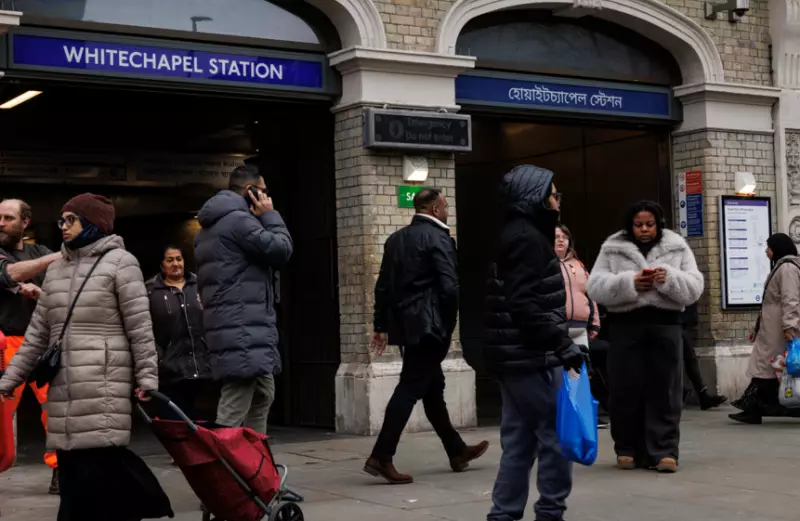
London secures the seventh position in the rankings, with 95.2% of its residents regularly accessing the internet. The capital's vast and varied population means that individuals utilise online platforms for a multitude of purposes, including work, education, commuting, shopping, socialising, and entertainment. This creates a rich tapestry of digital activity that defines the city's modern rhythm.

Top UK Cities for Internet Usage
In the broader top ten, Brighton and Hove leads the pack with an impressive 97.7% of residents online. Coventry follows closely in second place at 96.8%, with Portsmouth taking third at 96.5%. The full list highlights the following key performers:
- Newport ranks fourth with 95.8%
- Peterborough is fifth at 95.5%
- Plymouth occupies sixth place with 95.4%
- London, Bath, and Bournemouth jointly share seventh position at 95.2%
- Edinburgh comes in eighth at 94.8%
- Bristol and Swansea tie for ninth with 94.7%
- Cardiff rounds out the top ten at 94.6%
Expert Insights on Digital Behaviour
Specialists suggest that while internet access is nearly universal, the nature and intensity of online engagement can vary significantly based on local demographics and economic opportunities. Louis Riat-Bonello, a spokesperson for Optisearch, explains, "Urban areas with substantial student populations, thriving tech industries, or high numbers of remote workers frequently exhibit more intensive internet usage. This doesn't imply that people in other locations are less connected, but in these cities, the digital realm often serves as the primary medium for professional tasks, skill development, and even social interaction."
He further elaborates, "It also relates to the specific activities individuals focus on. For instance, a city with a robust technology sector might see greater reliance on cloud-based tools and online platforms for work, whereas a university town could display elevated levels of social media browsing and video streaming. Examining internet habits in this manner offers a window into the distinctive character of different places, extending beyond mere connectivity statistics."
Methodology and Broader Findings
The study ranked UK cities according to internet usage percentages, utilising the most recent data from the Office for National Statistics (ONS). Only cities within the UK were included in the analysis, with each evaluated based on the proportion of residents who use the internet. Higher percentages reflect greater levels of digital engagement and screen time among local populations.
The comprehensive list extends beyond the top ten, featuring cities such as Manchester at 94%, Birmingham at 91.3%, and Liverpool at 91%. These figures underscore the pervasive nature of online activity across the nation, while also revealing regional variations that hint at differing lifestyles and economic structures.
As digital technologies continue to evolve, understanding these patterns becomes increasingly crucial for policymakers, businesses, and communities aiming to navigate the complexities of modern life. The data not only highlights where screen obsession is most pronounced but also prompts reflection on the balance between connectivity and well-being in an ever-more digital world.