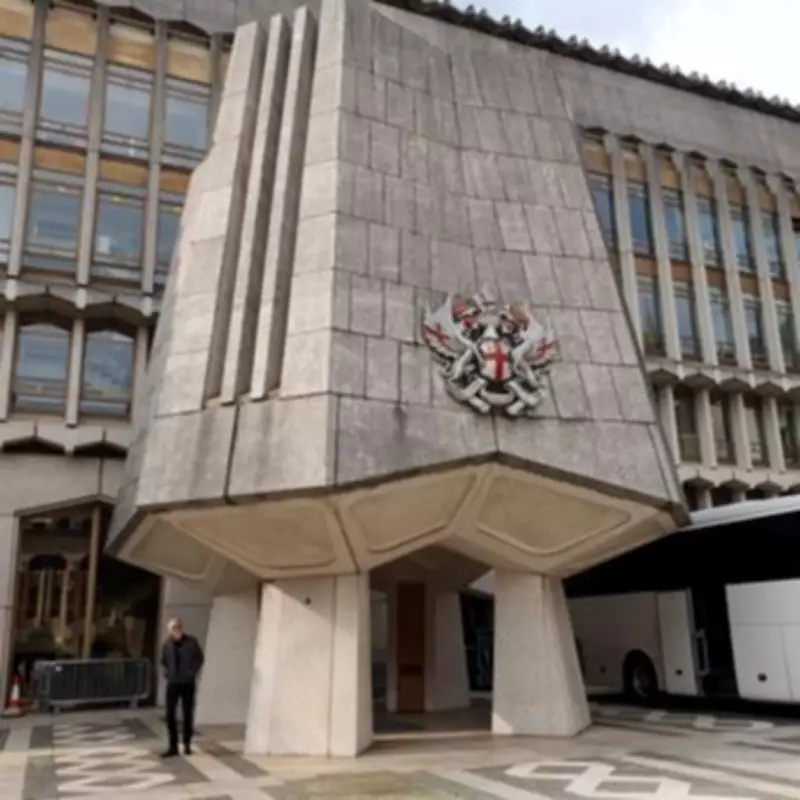
A recent peer review of the City of London Corporation has raised significant questions about the transparency of its decision-making processes, urging the governing body to reconsider how it handles confidential discussions. The Corporate Peer Challenge (CPC), organized by the Local Government Association (LGA), praised the Corporation for its strong leadership and clear strategic direction but also pointed to areas needing improvement.
Private Sessions Under Scrutiny
One of the most critical findings in the report concerns the frequent use of private sessions during committee meetings. According to the review, the Corporation should evaluate whether transparency could be enhanced by challenging which items appear under Part 2 of committee agendas, known as the Non-public Agenda. This section follows the exclusion of the public and press, often citing legal exemptions under the Local Government Act.
Analysis Reveals Widespread Private Discussions
Analysis conducted by the Local Democracy Reporting Service (LDRS) reveals that across more than 70 committee meetings in September and October 2025, almost 40 percent of agenda items were discussed behind closed doors. This practice has drawn criticism from both external observers and some members within the Corporation itself.

Notable decisions made in private in recent years include plans to withdraw from operating Smithfield and Billingsgate markets and the allocation of £190 million for the initial phase of the Barbican Centre redevelopment. While press releases were issued after these meetings, the public had no insight into the discussions that led to these outcomes.
Internal and External Concerns
Alderwoman Martha Grekos, representing the Castle Baynard ward, has been vocal about this issue. At a Finance Committee meeting last year, she challenged the inclusion of a social housing investment item in a private session, arguing it was an inappropriate use of non-public discussions due to significant public interest in housing conditions, such as those on the Golden Lane Estate.
Deputy Bethany Coombs supported Grekos' request to move the item into the public domain, though the majority of the committee voted to keep it private. This incident highlights internal discord over the Corporation's transparency practices.
Broader Implications for Public Trust
An anonymous source within the Corporation noted that the placement of reports and information into non-public sections has been a long-standing issue, with members consistently raising concerns. The source emphasized that too many items, especially housing reports, are discussed privately, undermining democracy and trust, particularly when these issues directly affect tenants and leaseholders.
In response, a Corporation spokesperson defended the organization, stating it is fully transparent and accountable, with private sessions used lawfully to protect sensitive information, including personal data, commercial details, or legally privileged matters. They also highlighted that the Corporation's responsibilities extend beyond those of typical councils, necessitating careful handling of confidential matters.
Opportunity for Improvement
The peer review suggests that external observers believe the Corporation could do more to challenge items earmarked for private discussion. This presents an opportunity for the governing body to adopt the LGA's recommendation and commit to greater transparency in its decision-making processes.
If the Corporation takes this step, it would benefit not only journalists and local councillors but also the broader public, fostering greater trust and accountability in how the Square Mile is governed. The call for enhanced transparency reflects a growing demand for openness in public institutions, ensuring that decisions affecting communities are made with full visibility and public input.