Labour's Contradictory Stance on Reform UK Exposes Strategic Rift
Prime Minister Keir Starmer has issued stark warnings about the existential threat posed by Nigel Farage's Reform UK, describing the upcoming political battle as "the fight of our lives." Yet within his own party, official communications routinely dismiss Reform as merely "Tories: the sequel," creating a confusing and contradictory message that senior figures privately acknowledge appears incoherent.
The Prime Minister's Grave Warning
Starmer has consistently framed Reform UK as representing a dangerous new strain of right-wing politics alien to British tradition. Speaking at Labour's conference last September, the Prime Minister galvanised delegates by declaring that Reform's "racist" policies would "tear the country apart." He has since reiterated this view, stating in a pre-Christmas interview that while he could still "sleep at night" under Conservative governance, the same would not be true with Farage's party in power.
Internal Party Contradictions
Despite Starmer's grave characterisation, official Labour social media accounts regularly proclaim that Conservatives and Reform are "basically the same." A recent post suggested both parties offer only "same people, same chaos and decline," while an advertising campaign explicitly titled "Tories: the sequel" is reportedly in development. This conflicting messaging has created what senior government figures privately describe as an incoherent line of attack.

The Defection Dilemma
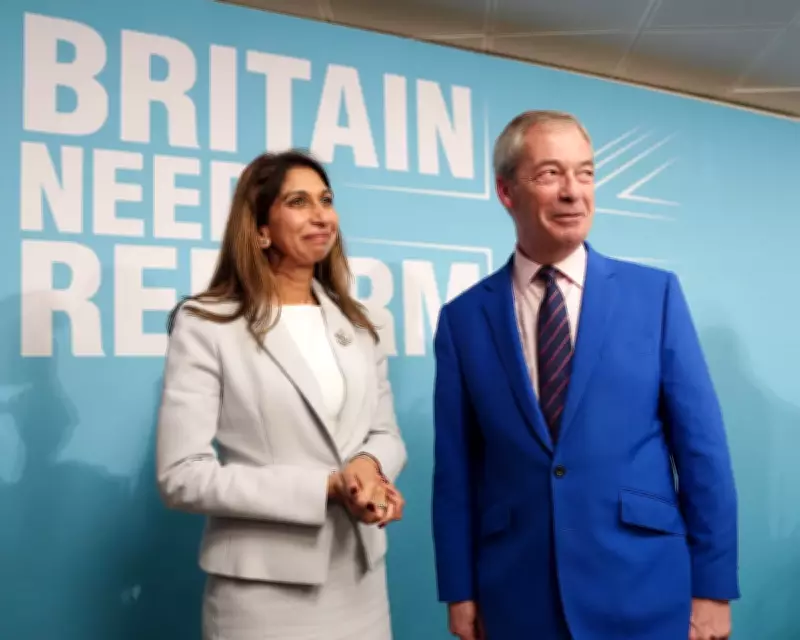
The recent spate of high-profile Conservative defections to Reform UK has complicated Labour's positioning. With former cabinet ministers Nadhim Zahawi, Robert Jenrick, and Suella Braverman now in Farage's ranks, there are more members of Liz Truss's cabinet in Reform than in Kemi Badenoch's current top team. This presents Labour with a tempting target but also blurs the distinction between the two right-wing parties.
Polling and Strategic Divisions
Labour has belatedly commissioned polling to determine which attack line resonates most effectively with voters. Options being tested include:
- Farage's hostility to workers' rights
- The conviction and jailing of former lieutenant Nathan Gill for taking bribes from an alleged asset of Vladimir Putin's Russia
- Farage's support from mega-rich Maga-ish types
This exercise touches on deeper strategic divisions about which sections of the electorate Labour should prioritise.
Targeting Different Voter Blocs
For five years, Labour has focused on so-called "hero voters" - typically older, working-class Brexit supporters who now lean toward Reform because they believe Britain is fundamentally broken. Portraying Farage as "new" and "different" risks ceding the territory of radical change to him.
Conversely, other Labour MPs and ministers worry this strategy has opened the party's left flank, where younger, pro-European graduate voters are switching support to Greens, Liberal Democrats, SNP, and Plaid Cymru. Presenting Labour as a bulwark against Reform's existential threat to progressive values could help rebuild support within this left-of-centre bloc.
Historical Parallels and Current Confusion
The situation bears resemblance to the mid-1990s when Conservatives struggled to counter Tony Blair's "New Labour," eventually settling on the "New Labour, New Danger" campaign. Some Labour strategists now argue the Tories made a fundamental error by accepting Blair's party was "new," while others attribute the campaign's failure to Labour not being particularly "dangerous."
The current confusion is compounded by mixed signals about Reform's own objectives. Does the party genuinely represent insurgent change, or does its recruitment of experienced former ministers suggest an attempt to reassure voters worried about potential disruption?
The Risk of Strategic Miscalculation
Some senior Labour figures believe they can fudge their attack by claiming Reform is dangerous precisely because it contains the "maddest and baddest" former Tories. However, this approach risks helping to decontaminate the Conservative party, which finished second in over 200 seats Labour won at the last general election, including many marginals.

Starmer's Leadership Challenge
The Prime Minister, known for engaging with political expertise rather than imposing his own strategy, has approached this internal debate fairly. He recognises genuine dilemmas in how to confront Labour's new rival. However, treating these questions as technical exercises conducted through focus groups would represent a significant error.
Starmer's conference speech four months ago succeeded because it conveyed authentic passion. As he told friends after stepping off stage: "That was me, that was me!" His party now needs similar authentic conviction as it enters what the Prime Minister describes as a battle for the "heart and soul" of the nation.
The time for hesitation and second-guessing on how to tackle Reform UK, along with other pressing issues, must now come to an end if Labour hopes to present a coherent and compelling alternative to voters.