Labour's Manchester Byelection Challenge Amid Voter Disillusionment
The political landscape in Manchester is facing a potentially seismic shift following the resignation of former minister Andrew Gwynne, triggering a byelection in the Gorton and Denton constituency that Labour fears could slip from their grasp. With 119,000 constituents spanning diverse communities from left-leaning young professionals in Levenshulme to Reform-leaning white working-class voters in Denton and a significant Muslim population around Rusholme and Gorton, this contest represents a microcosm of modern British political challenges.
The Legacy of Gwynne's Controversial Exit
Local businessman Stuart Beard recalls the extraordinary scenes that unfolded when leaked WhatsApp messages from Andrew Gwynne were published last year. "There must have been about 60 pensioners with placards," said Beard, referring to local anger over Gwynne's derogatory texts, which included one expressing hope that an elderly woman who didn't vote Labour "croaked it" before the next election. "I've never seen anything like it," Beard added, describing the protest outside Gwynne's Denton office as resembling "a riot" in its intensity.
This controversy has left deep scars in the constituency, creating fertile ground for political challengers to exploit Labour's vulnerabilities. The resignation has opened the door to what could become a multi-party battle royal, with Reform UK, pro-Gaza independents, and the Green party all sensing opportunity in Labour's discomfort.

The Burnham Factor and Candidate Calculations
All eyes are on Greater Manchester Mayor Andy Burnham, who has yet to declare whether he intends to run for the Westminster seat despite widespread speculation about his potential return to national politics. Professor Robert Ford of the University of Manchester offers a stark assessment: "Without Burnham on the ballot, my standing expectation would be that Labour would lose – but I wouldn't be at all sure who they would lose to."
Ford believes the race could fragment into a three- or even four-way split between Labour, Reform UK, a pro-Gaza candidate, and the Green party. "If [Burnham] isn't the candidate then it's a much more interesting race than if he is," he observes, noting that Burnham's high profile in Greater Manchester would likely give him enough political capital to "make the weather" and secure victory.
Labour insiders suggest the party may instead back Bev Craig, the leader of Manchester City Council who represents a ward within the constituency and enjoys support from Keir Starmer's team. However, a neighbouring Labour MP offers a sobering perspective on any candidate's chances: "I've never seen anything like it – it's not a good time." They warn that whoever Labour selects will struggle to combat the widespread anger and disillusionment permeating the electorate.
The Gaza Conflict's Enduring Political Impact
While the immediate fever around Gaza has cooled since October's ceasefire, the issue continues to simmer beneath the surface of Manchester politics. The Labour MP notes: "Labour has done good stuff [on Gaza] but the truth is the fire is not out and it could flare up again." They suggest this could prove damaging enough to contribute to Starmer's potential downfall, particularly if combined with poor local election results.
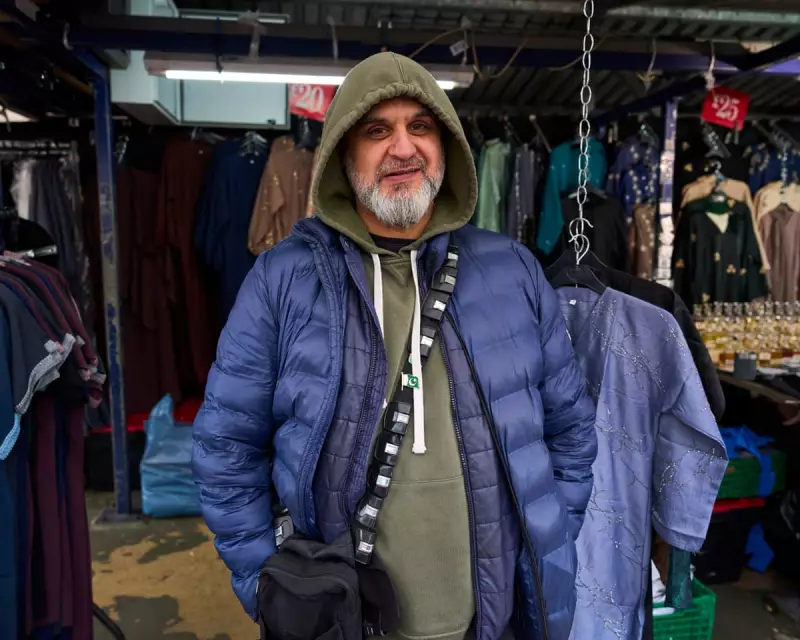
In Longsight market, within a predominantly Muslim area of south-east Manchester, the Palestinian cause remains visibly present with flags adorning vans and shops. Stallholder Mohammed Uddin, a lifelong Labour supporter, expresses the depth of feeling: "But now it will 100% not be Labour. They're not recognising the genocide. It's even more of an issue now. My blood starts boiling talking about it." The 60-year-old believes everyone in his circle will vote for a pro-Gaza candidate, stating definitively: "I don't think there's a single one of my mates that will vote Labour."

Reform UK's Growing Challenge
Reform UK, which finished second in the constituency during the 2024 general election, is preparing an aggressive campaign. Allan Hopwood, the party's only councillor on Labour-run Tameside council, reveals: "We're going to give it everything we've got." Activists plan to blitz the area with leaflets in coming weeks as they seek to secure their eighth MP.
This enthusiasm finds echoes among some traditional Labour voters. Retired carpenter Brian Huckle, 66, admits he "kind of likes" Reform UK but needs to examine their policies more closely. Meanwhile, Stuart Beard declares unequivocally: "Definitely Reform, irrespective of who Labour put up. It's time for a change from the two-party state."
A Constituency at a Political Crossroads
The Gorton and Denton byelection represents more than just another parliamentary contest – it serves as a bellwether for Labour's standing in its traditional northern heartlands. With George Galloway teasing a potential candidacy on social media, claiming "Labour has ZERO chance of winning Gorton if I stand," and the Green party also eyeing the seat, Labour faces challenges from multiple directions.
John Jones, 62, who has worked on Rusholme markets since childhood, captures the complex sentiments about Burnham's potential candidacy: "If Burnham ended up as [Labour] leader we could stand a chance but I'd rather he stayed up here and fired bullets at them." This reflects the tension between local and national priorities that characterises this contest.
As Professor Ford summarises, the coming months will test whether Labour can overcome the fractured loyalties and simmering anger in this diverse Manchester constituency, or whether this byelection will mark another step in the fragmentation of British politics beyond traditional party lines.