
The Accidental Prime Minister: How Starmer's Victory Masked Deep Divisions
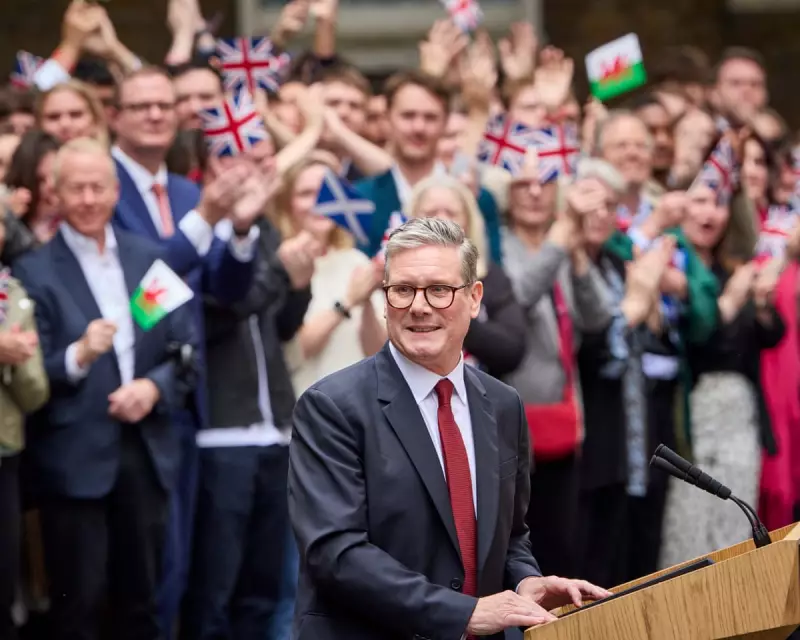
On 5 July 2024, Sir Keir Starmer stood outside Downing Street celebrating a remarkable general election victory that defied all expectations. The photograph captured by David Levene for The Guardian showed a triumphant moment, yet behind this public image lay a political reality far more complex and troubled than the victory suggested.
According to insiders, Starmer was never intended to become prime minister by his own backers. His leadership was conceived as a temporary arrangement – a strategic move by right-wing faction fighters within the Labour Party. Their original plan positioned Wes Streeting as their preferred candidate for prime minister, with Starmer serving as an interim figure to bridge the gap between Jeremy Corbyn's leadership and their ultimate objectives.
The Shotgun Marriage That Doomed Labour's Vision
The alliance between Starmer and the party's anti-Corbyn faction represented what observers describe as a 'shotgun marriage' entirely lacking in genuine political vision. While Streeting and Rachel Reeves maintained distance from Corbyn's project, Starmer had remained loyal to the former leader during the protracted Brexit negotiations that began in 2018.
This created an inherent tension within the party's power structure. The Blairites needed Starmer precisely because he had promoted Corbynism, making him the only figure who could effectively break its grip on the party. Labour members wanted a professional version of Jeremy Corbyn, and Starmer appeared to fit that description perfectly – but only as a temporary solution.
The unexpected combination of COVID-19, Conservative Party turmoil, and the collapse of the SNP transformed the political landscape dramatically. Suddenly, Starmer wasn't merely leading Labour toward a respectable defeat that would set the stage for future victory – against all odds, he was positioned to win. Much like Corbyn became Labour's accidental leader in 2015, Starmer became the party's accidental prime minister in 2024.
Governing Crisis Despite Historic Majority
Despite securing a massive 169-seat majority, the Labour government finds itself struggling to govern effectively. The absence of a clear vision for the country's future and limited ability to deliver on promises has created a fundamental governance crisis. The hyper-factionalism that enabled Starmer's team to secure total control of the party has resulted in an administration lacking breadth, depth, and the constructive challenge necessary to navigate today's polycrisis environment.
The same coercive discipline imposed on the party during the leadership contest was deployed throughout the general election campaign. However, with the Conservative meltdown and split right-wing vote benefiting Reform UK, victory was essentially assured. This comfortable position led to what critics describe as unnecessary 'cast iron pledges' on tax that now haunt the government.
As one observer noted, Starmer won the 2024 election by default, but the underlying project was doomed from the start. The government's weakness stems from its failure to build support, participation, and advocacy throughout the country rather than simply relying on parliamentary majorities.
Potential leadership alternatives including Ed Miliband, Angela Rayner, and Andy Burnham possess combinations of skills and talents that could help resolve Labour's existential crisis. However, overcoming not just Reform UK but the underlying causes of its appeal will require bold action and significant bravery from the entire party. Without fundamental changes to policy direction and party culture, Labour risks following the example of its French counterparts, who moved from government to political margins almost overnight.




