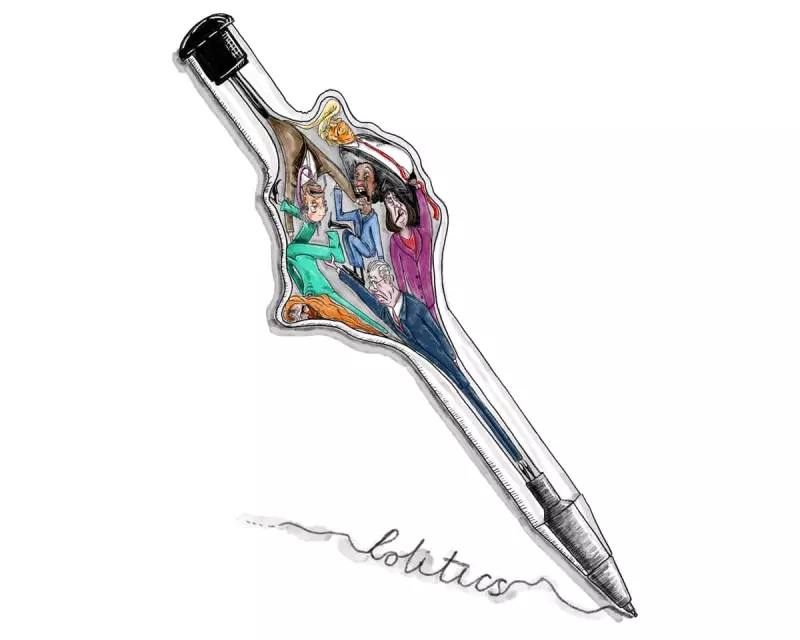
When Labour swept to power in the 2024 general election after fourteen years of Conservative rule, many anticipated a return to political normality. The Guardian's parliamentary sketch writer John Crace was among those who expected Westminster would finally settle into competent governance under Keir Starmer's leadership. The reality, however, has proven dramatically different.
From Tory Chaos to Labour Confusion
The final year of Conservative government had felt like a slow-motion collapse, with Rishi Sunak presiding over a party that had exhausted its ideas and energy. Sunak's tenure became an exercise in managed decline, marked by failed pledges and unfortunate symbolism - none more memorable than his rain-soaked election announcement where D:Ream's 'Things Can Only Get Better' drowned out his speech.
The former prime minister's difficulties multiplied with the D-day commemorations misstep and the betting scandal involving close aides. By polling day, Sunak appeared relieved his ordeal was ending, leaving behind a Conservative Party that seemed actively determined to lose.
Labour's Unexpected Stumbles
The first signs that Labour might struggle with basic competence emerged early. Despite campaigning on anti-sleaze platform, Keir Starmer and Rachel Reeves faced immediate controversy over freebies including suits, glasses, and corporate concert hospitality. This 'one rule for them' perception undermined their moral authority while millions struggled with cost of living pressures.
The problems compounded with Angela Rayner's stamp duty controversy, which ultimately cost the deputy prime minister her position. This removed one of Labour's most effective communicators from frontline politics just when the government needed her talents most.
Policy missteps followed in quick succession: the winter fuel allowance removal, ill-conceived inheritance tax proposals for farmers, and a poorly executed welfare bill that required significant dilution after backbench rebellions. The government's increasingly rightwing rhetoric on immigration, including the controversial 'island of strangers' speech, further alienated traditional supporters.
Governing by Accident
What emerged was a pattern of reactive governance. The cabinet reshuffle saw underperforming ministers rewarded with different roles rather than being removed. Starmer's team appeared to lack control of the political narrative, frequently being surprised by events rather than shaping them.
The budget process exemplified this chaos. Rachel Reeves's early morning Downing Street press conference failed to clearly communicate tax policy changes, followed by rapid policy reversals that confused observers and markets alike. Meanwhile, unnecessary briefings about leadership challenges from Wes Streeting created entirely avoidable political dramas.
Opposition Parties Provide Ample Material
While Labour stumbled, the Conservatives under Kemi Badenoch continued their descent into political irrelevance. Badenoch's performances at Prime Minister's Questions have been notably ineffective, marked by perpetual fury and exasperation that often seems self-directed. Her demand that Rachel Reeves resign, unresign, and resign again demonstrated the absurdity of current opposition politics.
Meanwhile, Reform UK under Nigel Farage has surged in popularity, now polling more than ten points ahead of Labour. Farage's party operates a 'one in, one out' policy that has seen MP turnover, while the leader backtracks on manifesto promises in an attempt to appear more mainstream.
The political theatre extends to international relations, particularly with Donald Trump. During the former president's state visit, Starmer stood by while Trump made extraordinary claims about ending conflicts between countries that weren't aware they were fighting. The current US president is now suing the BBC, adding another layer of surrealism to British politics.
As Crace concludes, the bonfire of insanities continues to provide rich material for political observers. The expectation of dull competence has been thoroughly shattered, replaced by a government that lurches from crisis to crisis while opposition parties compete in political absurdity. Westminster has never been more unpredictable - or entertaining for those who document its peculiarities.