
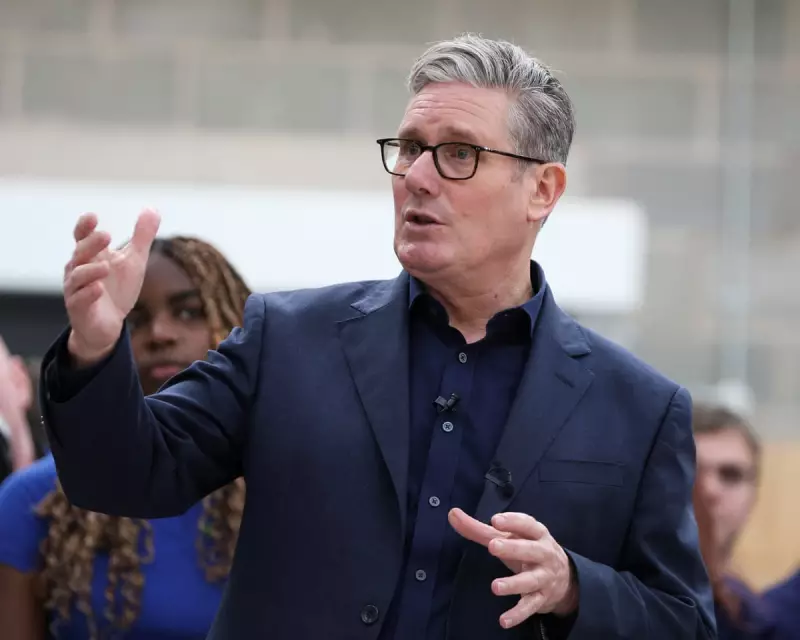
Westminster has been plunged into political farce as Labour Prime Minister Keir Starmer finds himself at the centre of an extraordinary self-inflicted crisis. The government has been rocked by anonymous briefings targeting three senior cabinet members - Health Secretary Wes Streeting, Energy Secretary Ed Miliband and Justice Secretary Shabana Mahmood - in what insiders describe as a circular firing squad that has left the entire administration wounded.
The Downing Street Mystery
In a bizarre twist that resembles a poorly played game of Cluedo, the Prime Minister appears to have become both suspect and victim. Multiple sources within Westminster believe the damaging briefings originated from Starmer's own office, with his chief of staff Morgan McSweeney widely seen as the likely architect. However, the plot thickens as Starmer himself seems to have no memory of authorising the attacks on his own team.
The political drama unfolded during Tuesday's extraordinary coordinated briefings against three key Labour figures. What made the situation particularly peculiar was the widespread belief among MPs and aides that Starmer had personally approved the destructive strategy. As one senior Labour figure noted, McSweeney might have conceived the plan but wouldn't have proceeded without his boss's explicit approval.
Investigation Launched Amid Denials
Labour Party chair Anna Turley appeared on Robert Peston's late-night politics show to announce a thorough investigation into the source of the briefings. She stated that Starmer was horrified by what had occurred and determined to uncover the truth. However, political observers quickly noted that the investigation appeared designed to produce findings acceptable to Number 10 rather than uncover uncomfortable truths.
The situation took another strange turn when reports emerged of Starmer's apologetic phone call to Wes Streeting. During the conversation, the Prime Minister reportedly denied any involvement in the briefings while simultaneously acknowledging the need to identify who exactly was in charge of Downing Street. Streeting, in response, offered reassurances that he wasn't plotting a coup against the Prime Minister - at least no more than usual.
Senior Figures Attempt Damage Control
During a visit to Liverpool on Thursday, Wes Streeting made efforts to downplay the crisis, insisting there was no bad blood between himself and the Prime Minister. He suggested the media had exaggerated the situation and that the public remained focused on substantive issues like reducing hospital waiting lists.
Meanwhile, Ed Miliband also sought to distance himself from what he described as Westminster psychodrama. The Energy Secretary portrayed himself as collateral damage, dragged into the affair through pure paranoia. He reminded critics that he had already lost one election he was expected to win in 2015 and had no leadership ambitions, noting that the current situation paled in comparison to the notorious Blair-Brown briefing wars.
The crisis reached its climax when Starmer addressed reporters, promising severe consequences for any leakers while simultaneously expressing full confidence in his team. In a statement that left observers baffled, he appeared to suggest the briefings had spontaneously emerged from the ether through divine intervention, somehow proving his fitness to lead the country for years to come.
As Westminster attempts to return to normal business, questions remain about how a Prime Minister could apparently authorise attacks on his own senior team then claim no knowledge of them. The episode has exposed serious concerns about Starmer's grip on power and the stability of his administration, leaving many wondering whether this marks the beginning of a longer period of internal turmoil for the Labour government.




