Labour Group Blocks Liberal Democrat Motion on Police Counters and Holiday Meals
The Labour group at City Hall has voted down a Liberal Democrat motion aimed at preserving police station front counters and funding free school meals during holiday periods. The decision has ignited a fierce political debate about child poverty and public safety in the capital.
Proposals for Holiday Hunger and Police Access
The Liberal Democrat group put forward two key proposals during a London Assembly meeting. The first was a motion to address holiday hunger by providing free meals to all primary school children during the Christmas, Easter, and Summer breaks. The second was an amendment to impose a two-year moratorium on planned closures of police station front counters across London.
Funding for the holiday meals initiative was proposed to come from an estimated £50 million in savings, anticipated due to the national government's expansion of free school meal eligibility to all families on Universal Credit. The police counter measure would have drawn £14 million from reserves while further assessments on each station were completed.

Labour's Rejection and Justification
The 11-member Labour group rejected both proposals, preventing the Liberal Democrats from achieving a majority. This means the non-binding decision will not be sent to the Mayor's Office for a formal response during next week's budget discussions.
Labour Assembly Member Marina Ahmad defended the decision, stating: The motion does not acknowledge that the Mayor already funds free meals through the Holiday Hope programme. She highlighted existing support systems, including the national Holiday Activities and Food (HAF) programme and City Hall's £6 million Holiday Hope Programme, which provide free meals and activities for eligible children during term breaks.
Labour argued that a fresh injection of HAF funding from the government makes the Liberal Democrat motion somewhat obsolete. Krupesh Hirani of the Labour group added that they would not support measures committing to spend without final budget figures.
Liberal Democrat Criticism and Child Poverty Concerns
Leader of the London Assembly Liberal Democrat Group, Hina Bokhari OBE AM, expressed strong disappointment. She said: Child poverty in London is at emergency levels, yet Labour is acting as if holiday hunger is already covered. Bokhari emphasised that children across the capital continue to go hungry during school holidays, and councils are losing key funding sources.
She warned against dangerous complacency, asserting: If we are serious about tackling child poverty, we must make sure no child goes hungry, in or out of school.
Police Front Counter Closures and Public Safety
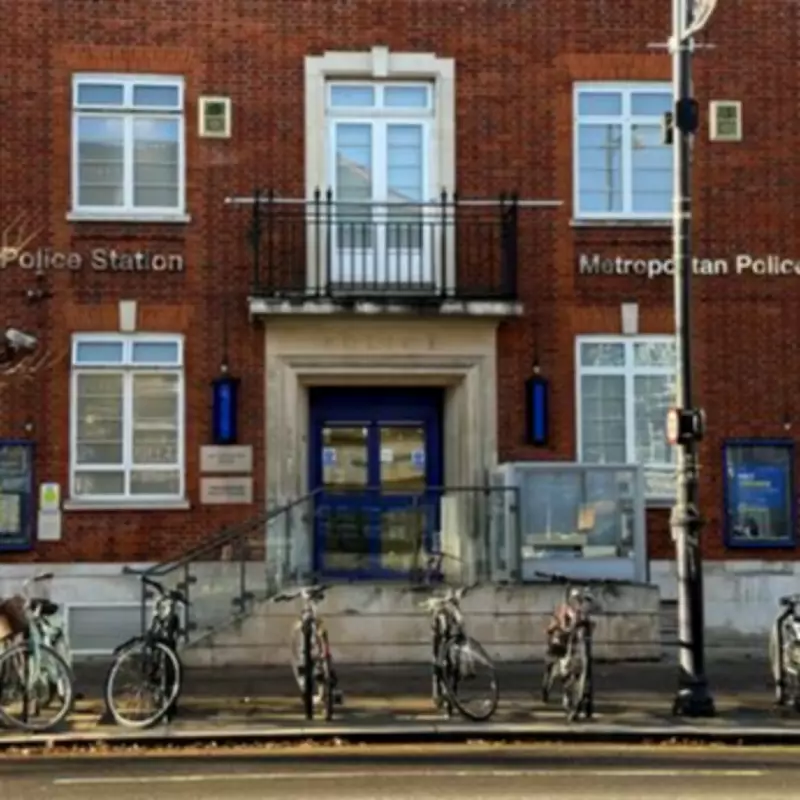
The Liberal Democrat amendment condemned the Metropolitan Police's decision to reduce the number of physical front counters in police stations from 37 to 27. This would leave London with just two stations operating 24-hour front desks, down from 32 previously.
Hina Bokhari criticised the move, stating: The Mayor broke his promise of a 24/7 police station in every borough, and today Labour and the Greens voted to let him get away with it. She argued that in-person access is a lifeline for vulnerable Londoners, such as victims of domestic abuse or those unable to use digital services.
Reform UK Assembly Member Alex Wilson, who voted against the holiday meals motion, supported the police counter amendment. He said: While I'm not a natural bedfellow to the Lib Dems, no party has a monopoly on good ideas. Wilson noted that police counter closures have generated significant public concern and called for proper consultation and impact assessments.
Political Reactions and Future Implications
The vote has highlighted divisions on how to address social and safety issues in London. Labour maintains that existing programmes are sufficient, while the Liberal Democrats argue for more direct intervention. The rejection of the police counter moratorium raises questions about public access to law enforcement services as digital transitions accelerate.

As budget discussions proceed, the debate underscores ongoing challenges in balancing fiscal responsibility with support for vulnerable populations and maintaining essential public services.