
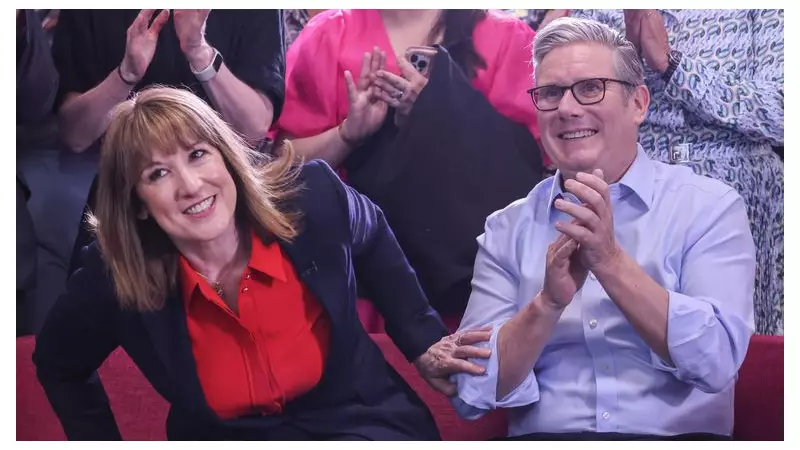
In a dramatic political reversal, Prime Minister Sir Keir Starmer and Chancellor Rachel Reeves have abandoned their controversial plans to raise income tax rates just weeks before the Autumn Budget.
A Major Policy Reversal
The decision, first reported by the Financial Times, represents a significant U-turn from the government's previous position. Downing Street has backed down amid fears about backlash from disgruntled MPs and voters, following what insiders described as a bruising few days for the Labour leadership.
This development comes less than two weeks before the Budget was scheduled for 26 November 2025. The Treasury and Number 10 have both declined to comment on the sudden change of direction.
The Road to the U-Turn
For weeks, the government had been actively preparing to break its manifesto pledge not to raise income tax, national insurance, or VAT on working people. Officials had been developing a complex proposal that would have seen the basic rate of income tax potentially increase by 2p, while simultaneously cutting national insurance contributions for those earning under £50,000 annually.
This approach was designed to raise billions from higher-rate taxpayers, pensioners, and landlords while attempting to protect what the government calls working people. The chancellor had publicly laid the groundwork for difficult decisions during a news conference last week, telling the public that everyone has to play their part in stabilising the economy.
The government had also been considering action on the two-child benefit cap in response to growing demands from within the party to address child poverty. It remains unclear whether these plans will proceed following the income tax U-turn.
Political Fallout and Next Steps
The reversal comes after a particularly challenging week for the prime minister, who found himself embroiled in a leadership crisis. The situation escalated when his allies warned rivals that he would fight any attempted post-budget coup, triggering a briefing war that involved Health Secretary Wes Streeting.
Political insiders concluded that the combination of ill mood within the party and recent damage to the prime minister's political capital made manifesto-breaking tax rises too risky at this time. However, the sudden change of plan has contributed to perceptions of chaos within government, especially given the chancellor's very public preparation for tax rises just days earlier.
The chancellor now faces the challenge of filling an estimated £30 billion black hole in the nation's finances through alternative measures. One expected approach involves freezing income tax thresholds for an additional two years beyond 2028, which could raise approximately £8 billion.
Tory shadow business secretary Andrew Griffith criticised the government's handling of the budget process, stating: We've had the longest ever run-up to a budget, damaging the economy with uncertainty, and yet - with just days to go - it is clear there is chaos in No 10 and No 11.
The formal decision to backtrack was communicated to the Office for Budget Responsibility on Wednesday as part of a submission of major measures, according to reports.




