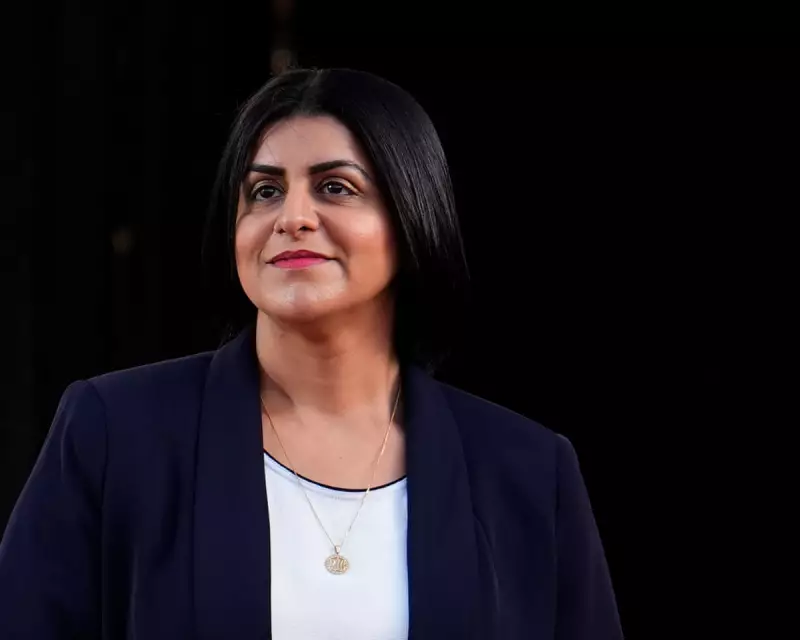
Home Secretary Shabana Mahmood has issued a stark warning to the Labour Party, urging colleagues to avoid indulging in a damaging "psychodrama" over the potential parliamentary return of Greater Manchester Mayor Andy Burnham. As chair of Labour's National Executive Committee, Mahmood emphasised the need for unity within the government, drawing clear parallels with the Conservative Party's recent turbulent history.
Critical Decision on Burnham's Future
The Labour Party faces a crucial decision regarding whether Andy Burnham should be permitted to seek selection for the Gorton and Denton byelection, a move that would require him to relinquish his position as Greater Manchester Mayor. Mahmood confirmed that Labour's NEC officers' group, comprising approximately ten members, was scheduled to convene to deliberate this significant matter.
"Everyone has to make their own decisions," Mahmood stated during an interview with Sky News. "What I would say is, I think everybody could do with less psychodrama. My clear message to all of my colleagues, whether they are in cabinet or elsewhere in the country, is: we get to decide if we indulge in a psychodrama."

Voter Patience Wearing Thin
Mahmood delivered a pointed reminder about public sentiment, highlighting that voters demonstrated limited tolerance for prolonged governmental turmoil during the Conservative administration. The Tories cycled through five prime ministers within six years, creating substantial political instability that ultimately contributed to their electoral defeat.
"The country was absolutely fed up to the back teeth of the Tories and all of their psychodramas, the constant arguing," Mahmood emphasised. "So my clear message to all colleagues everywhere is, just calm down. We're in government. Labour governments don't come along that often in the history of our great country."
Leadership Ambitions and Parliamentary Contributions
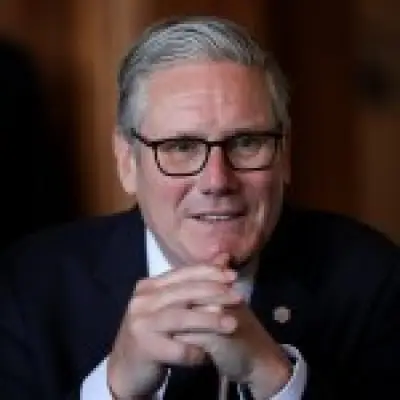
While Burnham has openly expressed leadership ambitions in the past, Mahmood carefully navigated questions about potential challenges to Prime Minister Keir Starmer's position. She indicated that Burnham should be taken at his word regarding his stated motivations for seeking a parliamentary return.
"He's an exceptional politician, and of course I always think we should have all of our best players making their contribution to the Labour government," Mahmood acknowledged, praising Burnham's political capabilities while maintaining diplomatic neutrality about the specific circumstances.
Procedural Considerations and Future Steps
The initial NEC meeting focuses specifically on whether Burnham should receive permission to stand in the byelection, which would trigger an expensive mayoral byelection in Greater Manchester. Should approval be granted, subsequent decisions would follow regarding candidate shortlisting processes, including potential discussions about implementing an all-women shortlist for the selection.
Mahmood clarified that Sunday's gathering would involve the smaller officers' group rather than the full forty-plus member NEC committee. This streamlined approach aims to facilitate efficient decision-making while maintaining proper procedural oversight.
Broader Implications for Labour Unity
The situation presents significant implications for Labour's internal cohesion and public perception. Burnham's allies, including several ministers, MPs, and trade union leaders, argue that as one of Labour's most prominent and popular figures, he should be permitted to contest the parliamentary seat. Meanwhile, those close to the Prime Minister have reportedly expressed reservations about facilitating Burnham's return to Westminster.
Mahmood's intervention serves as a timely reminder about the importance of presenting a united front to the electorate. "We have the absolute privilege of being the government of our country," she asserted. "We should all pull together and make a success of it."
As Labour navigates this potentially divisive issue, the party leadership faces the delicate challenge of balancing individual ambitions with collective responsibility, all while maintaining public confidence in their governing capabilities following years of Conservative instability.