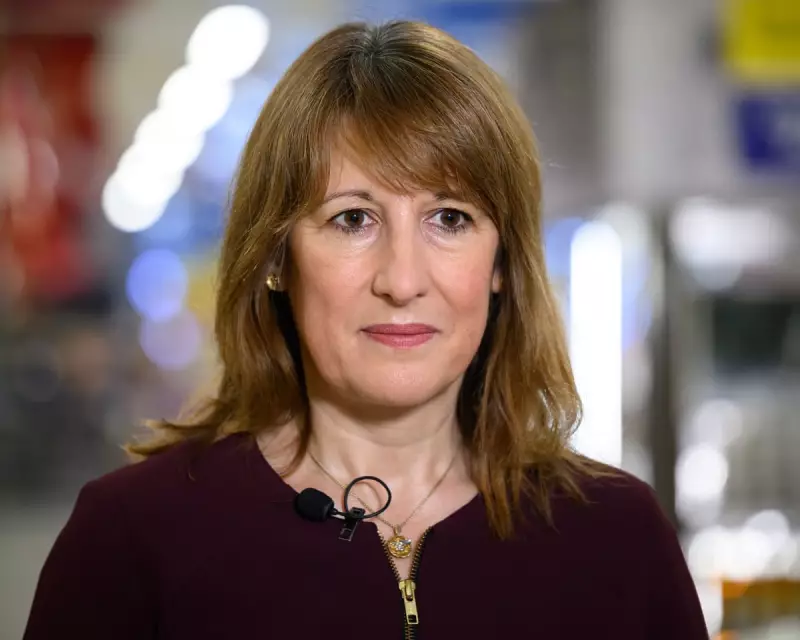
Chancellor Rachel Reeves is confronting significant internal opposition as forty Labour MPs have jointly demanded she abandon controversial plans to use private finance for building new NHS infrastructure.
Backbench Rebellion Over NHS Funding
The rebellion includes prominent figures such as Cat Eccles, Clive Lewis and Rebecca Long-Bailey, who have written directly to the chancellor urging her to commit to public investment in NHS buildings without private capital involvement. The MPs warned that returning to New Labour-era private funding models would severely damage public trust in the government.
In their strongly-worded letter, the parliamentarians stated: "We are asking you to learn from the mistakes of the past. We must reject the notion that private finance can be used to build public services in a way that can be to the long-term benefit of the public." They specifically requested the removal of any new private finance proposals from the autumn budget and future policy documents.
The PFI Legacy and Current Concerns
Although originally conceived under Conservative governance, Tony Blair's Labour government significantly expanded the use of Private Finance Initiatives between 1997 and 2010. These public-private partnerships enabled the construction of schools, hospitals and other infrastructure without immediately adding to national debt.
The MPs' letter highlights that using private partnerships has proven substantially more expensive than publicly funded projects. The legacy continues to burden the health service, with 80 NHS trusts still repaying a combined £44 billion from previous PFI agreements while frontline services face funding pressures.
"Using private finance to build new healthcare facilities does not bring in new money to the NHS," the MPs argued. "It is simply an expensive way of borrowing money which future generations of taxpayers will be required to pay back."
Expert Warnings and Government Response
The parliamentary opposition follows earlier concerns raised by more than 50 academics, including Labour peer Prem Sikka, who previously wrote to the chancellor describing the proposals as "dangerous and damaging." They urged funding public services exclusively through direct taxation or borrowing.
The controversy emerges despite the Labour party's election manifesto commitment that the NHS "will always be publicly owned and publicly funded." Health Secretary Wes Streeting has attempted to reassure concerned MPs that any new private finance usage would be strictly limited and targeted, aiming to avoid repeating past PFI mistakes.
A government spokesperson defended the approach: "We are exploring the feasibility of using new public private partnership models for taxpayer-funded projects in very limited circumstances where they could represent value for money." They emphasised that any future models would incorporate lessons learned from previous experiences.
The UK infrastructure strategy and ten-year health plan specifically mention exploring private capital for funding NHS facilities, including neighbourhood health centres. However, analysis suggests that using private finance for smaller-scale projects like these represents even worse value for taxpayers than larger hospital projects.