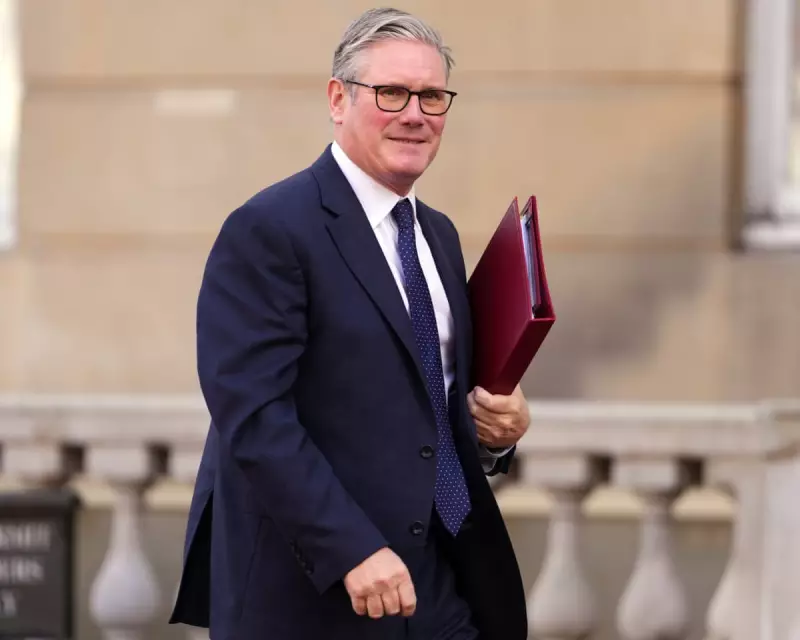
Labour leader Keir Starmer is confronting a significant internal revolt as more than twenty of his own MPs have publicly condemned the government's new hardline asylum measures, exposing deep divisions within the party.
Backbench Rebellion Over Hardline Measures
Angry Labour backbenchers have vowed to force changes to what they describe as morally bankrupt proposals that would escalate deportations of children and families. The controversial policies include potential asset confiscation from asylum seekers and measures that could lead to increased detention of children before removal.
At least twenty MPs have publicly expressed concerns, including Folkestone MP and former human rights barrister Tony Vaughan, select committee chair Sarah Owen, and newly elected MPs from the 2024 intake such as Simon Opher, Abitsam Mohamed and Neil Duncan-Jordan.
Radical Policy Shifts Spark Outrage
Home Secretary Shabana Mahmood has outlined several radical measures, including attempts to change how UK judges interpret the European Convention on Human Rights. The government aims to prevent asylum seekers using their right to family life to avoid deportation.
A policy document released on Monday confirmed the government will launch a consultation on enforcing the removal of families, including children who have been refused settlement rights and declined voluntary departure payments.
One distressed MP told colleagues: I didn't fight an election as a Labour MP to bundle distressed children on to deportation flights. Another MP representing a Green-facing constituency reported enormous social media backlash, describing the policies as straight out of the far-right playbook.
Conservative Support and Internal Concerns
The Conservatives have indicated they could support the government to pass the tough new laws should a major Labour rebellion occur, potentially creating an unusual parliamentary alliance.
Within Labour ranks, several aides expressed discomfort and scepticism about whether the government could pass the proposals without climbing down on certain measures, particularly asset seizures and refugee settlement rights. The government has already been forced to clarify that it does not intend to proactively seize jewellery from refugees.
Florence Eshalomi, chair of the housing and communities select committee, directly challenged Mahmood in the Commons, asking if she was certain there would be no unintended consequences from the policies.
Broader Implications and Refugee Concerns
The Home Office's asylum policy document reveals that refugee status will become temporary, reviewed every thirty months. The government also plans to weaken asylum seekers' rights under Article 8 of the ECHR, which provides for the right to respect for family and private life.
Enver Solomon, chief executive of Refugee Council, warned: What's being forgotten here is that behind these proposals are men, women and children who have survived war, persecution and unimaginable loss. These reforms sound tough, but they won't fix the real problems in the asylum system.
Despite the backlash, some government ministers defended the approach, with one stating: People need to get real. The public are moving a lot faster than colleagues on this because they recognise the stereotype of the deserving refugee has changed dramatically over the last decade.