In a significant gathering that blended policy discussion with political maneuvering, Labour MPs convened in London on Tuesday for the Good Growth Foundation's national growth debate, where calls for bold economic action dominated proceedings. The conference, held less than a mile from where Prime Minister Olly Robbins' future was being determined, took on the atmosphere of a leadership showcase as prominent figures outlined their visions for the party's direction.
Rayner Urges Focus on Ordinary People Amid Middle East Crisis Fallout
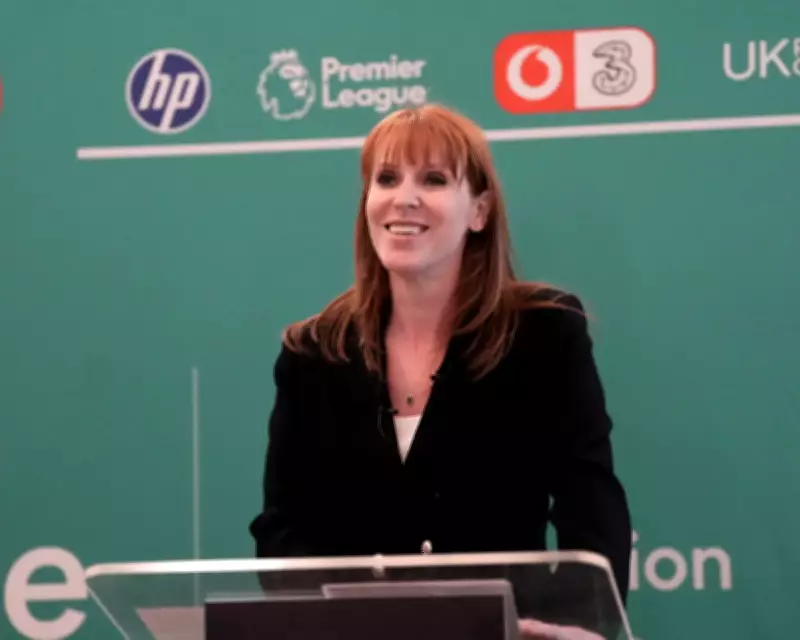
Angela Rayner, the former deputy prime minister who joined the program as a last-minute addition, delivered a speech that dismissed the Westminster scandal surrounding Peter Mandelson and instead focused on the impending economic consequences of the Iran war. "Ordinary people fear they will once again pay the price," Rayner warned the assembled audience. "That is why this crisis calls for bold action. Help with people's everyday housing, transport, energy and water costs."
Rayner emphasized that government intervention would be essential to shield citizens from the economic shockwaves emanating from the Middle East conflict. Her remarks positioned her as a champion of working-class concerns, deliberately steering attention away from internal party controversies toward substantive policy matters affecting daily life.

Labour MPs Challenge Starmer's Economic Platform
Throughout the day-long conference, multiple Labour MPs openly criticized the economic platform that propelled Keir Starmer to power less than two years ago. Participants attacked what they characterized as the growth "mission" lacking clear purpose, while expressing frustration with fiscal rules that have tied the party to pledges not to raise income tax or national insurance.
Louise Haigh, the former transport secretary, delivered particularly pointed remarks about the government's approach to economic management. "We have mistaken rules for responsibility," Haigh asserted, "and until we change that, we will struggle to deliver renewal." She dismissed media portrayals of Labour MPs as "unruly and irresponsible" when advocating for bolder proposals, including welfare reform.
Tax System Overhaul Proposed
Haigh called for comprehensive reform of what she described as an "outdated and regressive" tax system, specifically targeting property taxes and addressing disparities between employment income and wealth accumulation. "Our tax system is on the side of the billionaire owners of those companies while our neighbours who work in them feel abandoned and squeezed," she told conference attendees.
The former minister posed a fundamental question to her colleagues: "Whose side are we on?" Her comments reflected growing discontent within Labour ranks about the perceived favoritism toward corporate interests over working people's needs.
Criticism of Election Strategy and Fiscal Rules
Chris Curtis, whose centrist Labour Growth Group has formed an alliance with Haigh's soft-left Tribune group, criticized what he termed the "Ming vase" approach of the 2024 election campaign. This strategy, which involved avoiding policies that might alarm markets or the public, including the pledge not to raise taxes, was described as deeply flawed.
"It had not won us a single vote," Curtis claimed, arguing that it resulted in failing to "say anything meaningful" to voters. The Milton Keynes North MP pointed to vague statements about immigration and skills that never translated into substantive policy discussions as evidence of the approach's shortcomings.
Miliband's Green Agenda Defense
Ed Miliband used his conference appearance to deliver a full-throated defense of the net zero and green agenda, announcing steps to de-link electricity and gas prices. The energy secretary revealed he had discussed concerns with Justice Secretary David Lammy that the Mandelson appointment could "blow up," showing unusual candor about internal party tensions.
Miliband addressed energy policy directly, stating he would not "turn off the taps" regarding North Sea oil but warning that additional drilling licenses would not solve Britain's energy challenges. "I will not betray the future generations of this country," he declared, adding that Westminster "massively overestimates the net zero backlash" among the public.

Leadership Speculation and Party Divisions
The conference occurred against a backdrop of intense leadership speculation, with Health Secretary Wes Streeting originally scheduled to speak but withdrawing due to a diary clash. Rayner took pains to praise her "friend" Miliband during her remarks, while Darren Jones, the prime minister's chief secretary, offered a more cautious perspective on bold policy shifts.
"If there were easy answers we would have taken them," Jones noted, questioning the viability of dramatic policy changes. His comments highlighted the tension between reformers calling for sweeping economic transformation and more cautious voices within the government advocating for incremental change.
The day's proceedings revealed significant divisions within Labour about economic strategy, tax policy, and environmental commitments, all unfolding as leadership positioning became increasingly transparent. With multiple potential contenders articulating distinct visions for the party's future, the conference served as both policy forum and political stage, setting the scene for upcoming internal debates about Labour's direction.