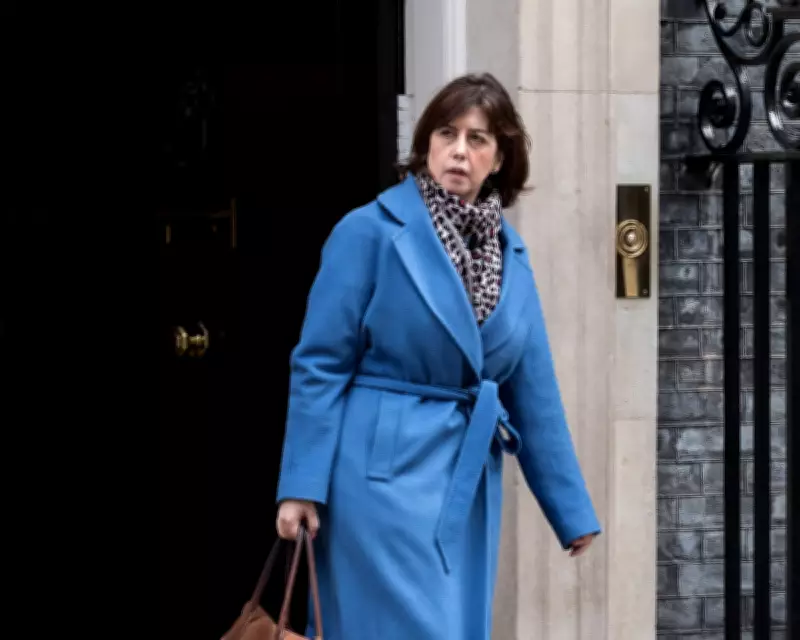
Labour's deputy leader Lucy Powell has acknowledged that the party suffered a substantial protest vote in the recent Gorton and Denton byelection, with voters demanding better performance, stronger purpose, and faster delivery of promised changes. Internal party analysis confirms that Labour lost significant numbers of white working-class voters to the Green Party in this Greater Manchester constituency.
Byelection Results Signal Warning for Labour
The Greens emerged victorious in the byelection, securing the seat with Reform UK finishing in second place. Labour came third in what was previously considered safe Labour territory, marking a significant political shift. The Green candidate Hannah Spencer won by 4,402 votes ahead of Reform's Matthew Goodwin, highlighting the changing dynamics in traditional Labour strongholds.
Strategic Implications for Labour
Party chiefs are now considering a comprehensive strategy overhaul following the byelection results. Powell emphasized that voters repeatedly stated they needed a "reason" to support Labour, indicating deeper issues with the party's messaging and appeal. The analysis revealed that high numbers of voters broke for the Greens in the final hours before polling closed, with many conflicted about which party was best positioned to prevent a Reform victory.
"There's no doubt that we suffered from a large protest, with voters telling us to do better, be stronger about our purpose and values, and deliver the change we promised faster and more clearly," Powell stated. "We have ceded the political megaphone and it's up to us to strongly and proudly get that back."
Changing Voter Dynamics
The party's examination found that Green support extended far beyond the stereotypical progressive young professionals and Muslim communities. Powell noted that the Greens successfully convinced voters they represented both a hopeful choice and the tactical option to defeat Reform. This represents a significant expansion of the Green Party's traditional base of urban liberal voters.
Labour's traditional byelection strategy, which typically involves low-key campaigns with less visible local candidates and highly targeted doorstep approaches, appears insufficient in the current volatile political climate. Senior figures within the party recognize the need for updated data and approaches, particularly in long-held safe seats where voter information is rarely refreshed.
Reasons for Labour's Decline
Campaign analysis identified two primary reasons voters abandoned Labour: tactical voting to prevent Reform from winning, and protest voting to send Labour a message about perceived failures. Despite Labour's highly targeted campaign with record numbers of activists on polling day, the Green Party's highly visible local campaign—featuring street stalls, posters, and an identifiable local candidate—convinced tactical voters that supporting the Greens was safe and effective for blocking Reform.
Powell has been advocating both privately and publicly during her deputy leadership campaign that Labour has lost voter attention to both Reform and the Greens. She argues the party must make a stronger case about its governmental achievements, including free childcare initiatives, workers' rights protections, and renter safeguards.
Broader Political Context
The Greens have experienced a significant polling boost since their byelection victory, their first in a national byelection. The party anticipates further advances in upcoming local elections, particularly in London boroughs such as Hackney, Newham, and Waltham Forest. Green Party membership has tripled in England and Wales since September last year, reaching approximately 200,000 members following Zack Polanski's leadership announcement.
Within Labour, some frustration has been directed at party general secretary Hollie Ridley, a close ally of Keir Starmer's former chief of staff Morgan McSweeney. However, senior figures in both No 10 and Labour headquarters have defended Ridley, arguing she should not be scapegoated for what are expected to be challenging results in the May local elections, especially in Scotland and Wales.
Powell concluded that many voters who supported the Greens in the byelection would likely be "still open to Labour" in a general election but wanted to express "frustration and disappointment" with the party's current direction. She emphasized there was a "clear lesson" that voters require substantial reasons to support Labour again, criticizing superficial analyses from those not directly involved in the campaign.