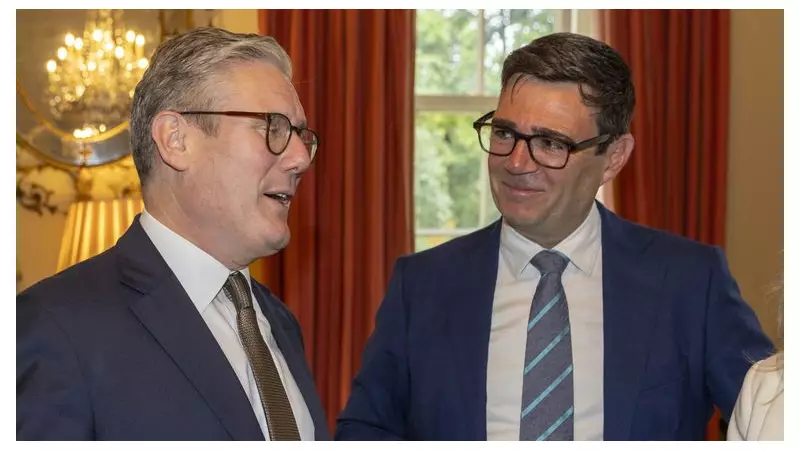
Labour Leadership Crisis Deepens as NEC Blocks Burnham's Parliamentary Bid
In a dramatic move that has exposed deep rifts within the Labour Party, the National Executive Committee (NEC) has decisively blocked Andy Burnham's attempt to return to Parliament. The panel voted 8-1 against the Greater Manchester mayor's bid, with only deputy leader Lucy Powell in support, while Home Secretary Shabana Mahmood abstained as per custom. This decision, announced on Sunday, has unleashed a wave of frustration and anger among MPs, highlighting the volatile state of Labour's internal politics.
Reasons Behind the Blockade and Immediate Backlash
The NEC cited significant concerns over the unnecessary costs of holding a mayoral election in Manchester during crucial local, Welsh, and Scottish elections. Additionally, there were fears that the Reform Party could capitalise on the situation, running a divisive campaign in the Greater Manchester region. Polling indicates that Reform might have a real chance of winning the area, turning it into a symbolic battleground similar to the West Midlands mayor contest Labour narrowly won in 2024.
However, the decision is steeped in political manoeuvring. By blocking Burnham, Prime Minister Keir Starmer and his allies have opted to absorb short-term backlash rather than allow a prolonged leadership psychodrama to dominate the May elections. This strategy aims to prevent policy discussions from being drowned out by internal strife, but it has already sparked fierce criticism.

Within 40 minutes of the announcement, left-wing MPs took to social media to vent their fury. Jon Trickett declared, "Strong leaders don't hide from talent, they make common cause." Neil Duncan-Jordan accused the Labour right of "authoritarian factionalism" that is tearing the party apart, while John McDonnell warned of deep public anger, labelling the move "cowardice" rather than magnanimous leadership.
Strategic Gamble and Future Implications for Starmer
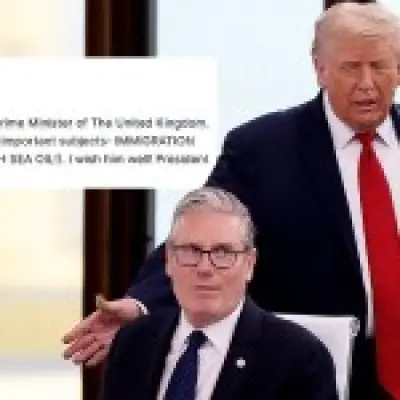
This blockade represents a high-stakes gamble for Starmer. Allies of the Prime Minister argue that allowing Burnham to run would have amplified constant leadership speculation in Westminster, making it impossible for Starmer to effectively campaign ahead of the May elections. With external pressures like international crises involving Donald Trump already complicating his agenda, they deemed blocking Burnham the lesser of two evils.
Yet, the fallout could severely undermine Starmer's position. Until now, he has relied on support from the soft left, including figures like Lucy Powell, who recently urged colleagues not to undermine him. By blocking Burnham, Starmer risks alienating this crucial bloc, potentially leaving him isolated as centre-right factions mobilise around potential rival Wes Streeting.
As one anti-Streeting MP noted, "It's not Burnham who has been causing the leadership speculation - that has been coming from Streeting's side. Now those on that wing of the party have got Burnham out of the way - useful for Wes, and the kickback for that will land on Starmer." Streeting allies believe this could "finish Keir off" over time, as he grapples with mounting unpopularity among MPs and a loss of faith in his leadership.
Broader Context and Uncertain Outcomes
The decision comes at a critical juncture for Labour, with the party facing a pile of difficult issues such as proposed social media bans for under-16s, jury trials, and ground rents. An increasingly ungovernable party could hinder Starmer's ability to address these challenges effectively.
Burnham's supporters insist he had no intention of undermining Starmer, as stated in his letter, but a lack of trust between factions has prevailed. Ultimately, any hope Starmer has of surviving as Prime Minister may have hinged on shutting out Burnham, but the unpredictable consequences of this gamble are yet to unfold. The coming months will test whether this move stabilises Labour or fuels further division and leadership turmoil.