Labour Leadership Blocks Andy Burnham's Parliamentary Ambition
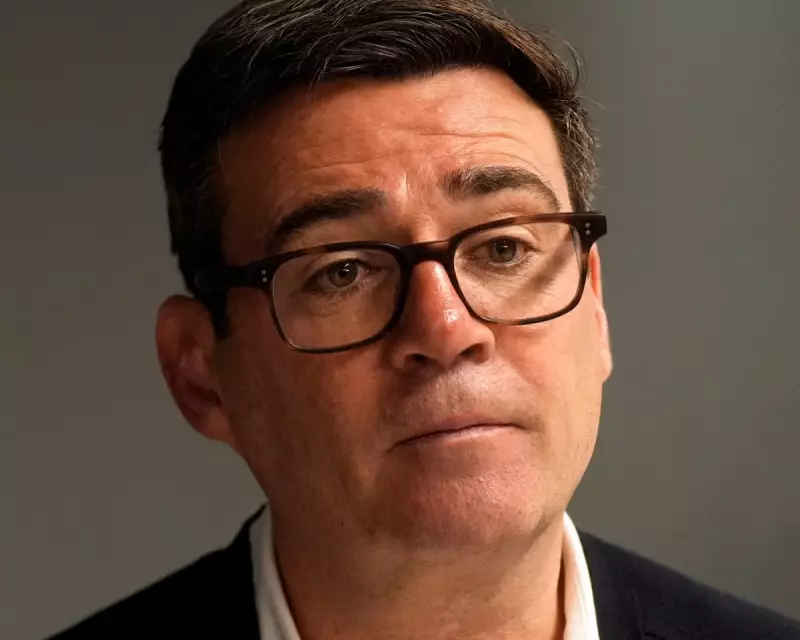
Labour's national executive committee has decisively rejected Andy Burnham's request to seek selection for the upcoming Gorton and Denton byelection, according to multiple party sources. This controversial decision is expected to ignite a significant internal conflict within the Labour Party, pitting allies of the Greater Manchester mayor against loyalists of leader Keir Starmer.
Vote Reveals Strong Opposition
The vote among the ten-member officers' group of the NEC resulted in an overwhelming eight to one against Burnham, with only a single member supporting his bid. Notably, the committee chair, Home Secretary Shabana Mahmood, chose to abstain from the crucial vote. This outcome highlights the substantial institutional resistance to Burnham's potential return to parliamentary politics.
Under established Labour Party regulations, metro mayors and police and crime commissioners must obtain explicit permission from the NEC before they can stand for parliamentary elections. This procedural requirement has now become the focal point of a major political dispute within the party's upper echelons.

Burnham's Declaration and Internal Backlash
Burnham publicly announced his intention to contest the seat on Saturday afternoon, following the announcement by sitting MP Andrew Gwynne that he planned to stand down. While the Greater Manchester mayor had garnered support from several cabinet ministers for his parliamentary bid, senior figures close to Keir Starmer expressed strong reservations.
Starmer's allies warned about the potential disruption that could ensue if Burnham, widely perceived as a potential challenger to the prime minister's leadership, were to re-enter the House of Commons. Their concerns about party unity and leadership stability ultimately carried significant weight in the NEC's deliberations.
Growing Criticism from Senior Figures
The decision to block Burnham has already drawn sharp criticism from prominent Labour personalities. Energy Secretary Ed Miliband and Deputy Leader Lucy Powell have both publicly stated that preventing Burnham from standing would be a mistake, suggesting that the party should embrace rather than restrict his political ambitions.
This developing situation exposes deepening fractures within Labour's leadership structure, with Burnham's supporters arguing that his popularity and experience would strengthen the party's electoral prospects, while Starmer loyalists maintain that his return to Westminster could undermine the current leadership's authority and create unnecessary internal tensions.
The controversy surrounding Burnham's blocked bid reflects broader questions about Labour's internal democracy, the relationship between regional mayors and national party structures, and the ongoing power dynamics within the opposition party as it prepares for future electoral challenges.