
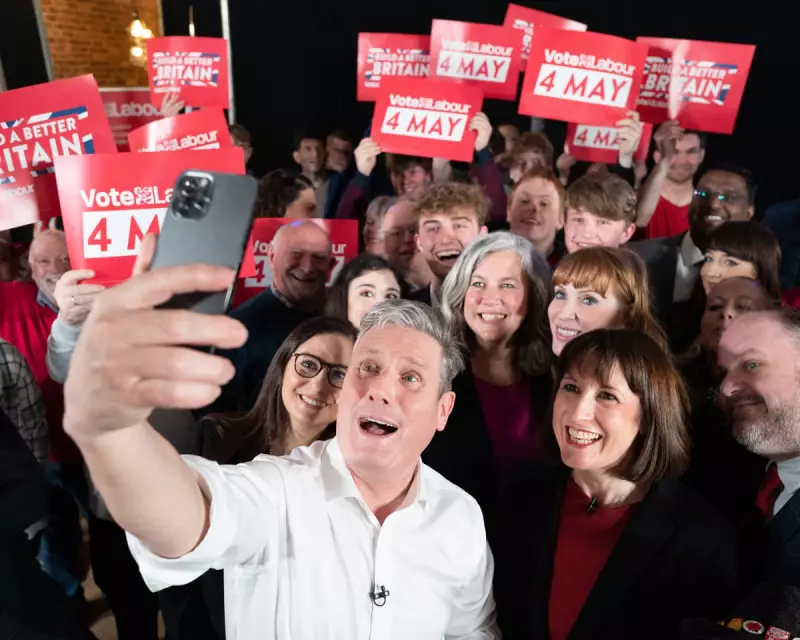
Keir Starmer finds himself at a political crossroads where mastering the latest dance craze might be as important as mastering policy debates. The Labour leader faces increasing pressure to establish a meaningful presence on TikTok, despite the platform's potential for awkward moments and political cringe.
The Political Imperative of Digital Connection
As highlighted in recent political analysis, Starmer cannot afford to ignore TikTok's growing influence among younger voters. The platform has become a crucial battleground for political messaging, particularly for reaching demographics that traditional media struggles to engage. While the Labour leader might feel more comfortable with conventional campaigning methods, the digital landscape demands adaptation.
The challenge lies in balancing authenticity with political dignity. Previous attempts by politicians to appear 'relatable' on social media have often resulted in embarrassing misfires. Yet the consequence of avoiding these platforms entirely could be even more damaging, potentially creating an unbridgeable gap with younger constituents.
Learning from Global Examples
International leaders provide both cautionary tales and success stories in political TikTok engagement. Some have managed to create genuine connections through the platform, while others have reinforced stereotypes of politicians being out of touch. The key differentiator often comes down to whether the content feels forced or authentic to the creator's personality.
For Starmer, this means developing an approach that plays to his strengths rather than attempting to mimic trends that don't suit his public persona. The platform offers opportunities for behind-the-scenes glimpses, policy explanations in digestible formats, and direct engagement with public concerns - all without requiring the Labour leader to perform dance routines that might feel unnatural.
The Strategic Balance Ahead
The fundamental question remains: can Starmer develop a TikTok strategy that feels genuine while effectively communicating his message? This requires careful consideration of content that aligns with his political brand while embracing the platform's informal nature.
Political analysts suggest that the most successful approaches often involve a mix of personal insight and policy discussion, allowing voters to see the human behind the politician without compromising serious political intent. As the digital landscape continues to evolve, Starmer's ability to navigate this balance may prove crucial to his connection with the next generation of voters.
What remains clear is that avoiding the platform altogether is no longer a viable option for any political leader with national aspirations. The challenge lies not in whether to engage, but how to do so effectively while maintaining political credibility.




