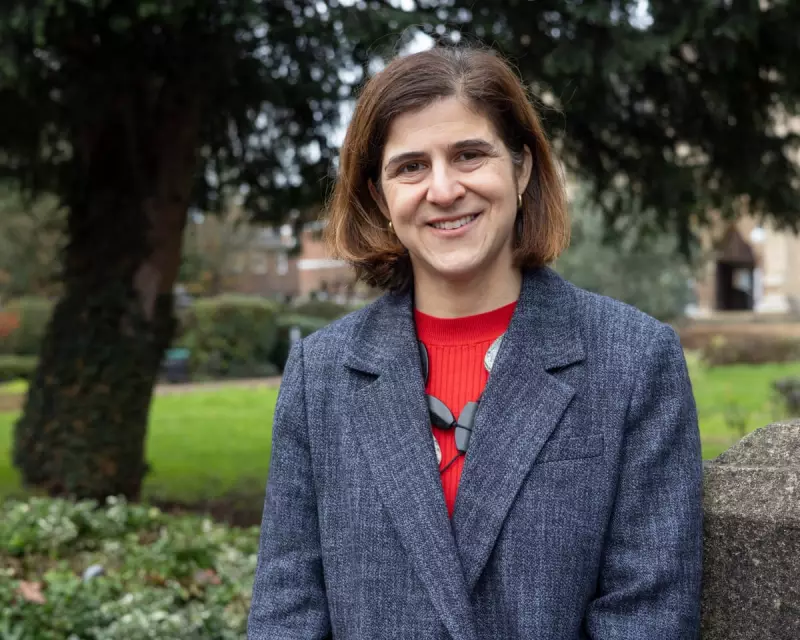
The government is preparing one of the most significant reforms to England and Wales' justice system in generations by removing the right to trial by jury for thousands of criminal cases. Courts minister Sarah Sackman has declared that drug dealers and career criminals are currently "laughing in the dock" as they exploit systemic delays that can see cases take years to reach trial.
The Backlog Crisis
The Ministry of Justice faces a staggering backlog of nearly 80,000 cases, with projections suggesting this could swell to 100,000 by 2028 without intervention. During a visit to Wood Green crown court, Sackman witnessed firsthand the consequences of these delays, observing a bail hearing for a severe sexual assault case that may not see full trial until 2028 - eight years after some of the offences allegedly occurred.
"I can't think of a greater responsibility in government than ensuring that our justice system works," Sackman told the Guardian. "The sense of duty that I feel is enormous." The minister described speaking with victims who have lost jobs and suffered mental breakdowns while waiting years for their cases to be heard.
Radical Changes Ahead
The proposed reforms will create a new judge-only division of the crown court to handle certain cases, implementing recommendations from Sir Brian Leveson's review. The changes target what ministers describe as defendants "gaming the system" by opting for jury trials to increase the likelihood of proceedings collapsing through delays.
Statistics reveal a dramatic shift in defendant behaviour. In 2014, only 8% of those facing either-way offences elected for jury trial, but by 2022 this figure had more than doubled. Defendants can currently choose where their case is heard in 40% of cases.
Sackman posed challenging questions about the current system: "Do we think that someone who has stolen a bottle of whisky from a minimart should receive the right to trial by jury? Do we think that someone who has been involved in a serious fraud involving cryptocurrency that we should have a jury sat in court for a year or more hearing such a case?"
Mounting Opposition and Concerns
The reforms face significant opposition, with 90% of the Criminal Bar Association expressing disapproval. Legal professionals warn that ending jury trial rights undermines a fundamental principle of British justice and risks public trust in the system.
Racial equality groups have raised additional concerns about the unrepresentative nature of the judiciary compared to juries. Current judicial diversity statistics show ethnic minorities comprise just 12% of judges in England and Wales, with black representation remaining stagnant at 1% for the past decade.
Cassia Rowland of the Institute for Government noted that the government and Leveson's report have "thus far failed to make the case for the changes," suggesting that many issues could be solved by improving court productivity rather than removing jury rights.
The government plans to legislate early in the new year, with ministers determined to enact most of Leveson's recommendations despite anticipated backlash from legal professionals and justice campaigners.